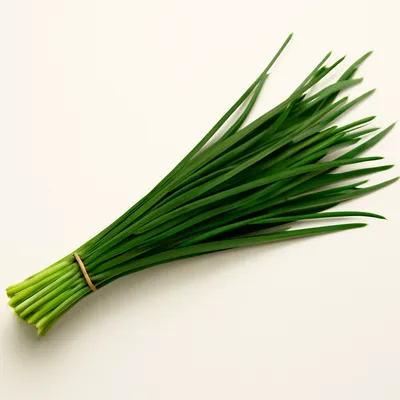
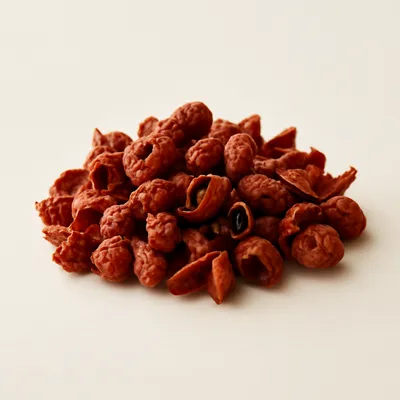
Beef sapie is a Dai-ethnicity specialty of Dehong and Xishuangbanna in Yunnan, and the emblem of the bitter taste in Dai cooking. Thin-sliced lean beef is blanched, while beef tripe, omasum, and liver are roasted over charcoal and shredded; the meats are then dressed in a green bitter dip whose defining ingredient is 苦肠水 — the bile-bitter, semi-digested grassy chyme drawn from a freshly slaughtered ox's stomach and gut. The dip is sharpened with Chinese chives, Dai herbs such as sawtooth coriander and 香柳, bird's-eye chili, Sichuan pepper, crushed peanuts, and garlic. The bitter-water version is called 苦撒, as opposed to the sour 酸撒 or 柠檬撒 that uses lime juice instead of bile; the family also includes pork sapie and fish sapie. It is eaten cold as a bold opener and a classic dish to drink by.


Sapie is a transliteration of a Dai-language name; according to widely cited accounts, 撒 means to dress raw or eat cold and 撇 refers to the ox's bitter gut, so the word names the dish literally as raw food dressed in bitter-gut water. It is a folk dish of the Dai (and neighboring Jingpo and De'ang) peoples of Dehong and Xishuangbanna, and no inventor or founding date is recorded; like much of Dai cuisine it belongs to a long oral tradition rather than a documented one. The dish reflects the Dai 'five tastes' system, in which bitterness (苦) is prized for clearing heat and whetting the appetite in a hot, humid climate, and in Dai folk medicine the bitter chyme is held to cool and detoxify. Different ox-meat versions are distinguished by what supplies the dominant taste: 苦撒 takes its bitterness from 苦肠水, while 酸撒 / 柠檬撒 takes its sourness from lime. The Dai language gives separate names to the kindred dishes — fish sapie is 巴撒 and pork sapie 撒达鲁.
Cold and loose on the plate, beef sapie is a tangle of pale blanched beef strips and chewy charcoal-roasted tripe under a murky olive-green dip flecked with chili and chopped herb. The first hit is a deep, vegetal, almost grassy bitterness from the chyme — sharper and greener than the bitterness of a melon — and it can be startling, but it does not stay; it lifts into a clean, cooling sweetness on the back of the tongue, the 苦尽回甘 the dish is loved for. Around the bitter core run the pungency of raw garlic and chive, the numbing tingle of Sichuan pepper, the heat of bird's-eye chili, the toasty crunch of peanut, and the citrus-musk of the Dai herbs. Made well, the meat is tender and the bitterness round and herbal; made badly, the chyme was unclean or stale and the dip turns flatly foul and acrid instead of cleanly bitter, with no sweet return.
The signature bitterness is real digestive chemistry. As a ruminant, the ox ferments grass in its stomachs, and the chyme there is laden with bile acids secreted to emulsify fat and with bitter plant compounds from the half-digested forage; this fluid, the 苦肠水, is what carries the bitterness, and herders deepen it by feeding the ox bitter wild greens such as 五加叶 and 香辣蓼 about an hour before slaughter so the gut fills with fresh, intensely bitter aromatic content. The cooling 'sweet return' is a contrast effect: once the intense bitter stimulus clears the taste receptors, the mild sweetness of the meat and the salt-umami of the dressing read as a clean sweetness by comparison. The choice to boil matters for both flavor and safety — in the cooked style the bitter content is dried and then simmered in water (often tied in cloth) and strained to a clear bitter broth, which mellows and concentrates the bitterness and, by heating, reduces the microbial load of raw gut content; the rawer style keeps it closer to fresh. Because the dish leans on near-raw beef and uncooked offal-derived liquid, food safety rests on a very fresh, clean-slaughtered animal, thorough rinsing, and prompt cold eating; the heavy dose of garlic, chili, Sichuan pepper, and aromatic herbs is not only for flavor but is the traditional antimicrobial and digestive counterweight to the raw, bitter base.
Variations
Beef sapie is itself the bitter member (苦撒) of the wider sapie family, set against the sour 酸撒 / 柠檬撒, which drops the bitter chyme and dresses minced beef with lime juice, sometimes lifted with passion-fruit. Within the bitter style there is a rawer version and a cooked version (生撒 / 熟撒): the cooked one boils the bitter water and uses blanched and charcoal-roasted meats, the rawer one keeps things closer to fresh-dressed. Other proteins give their own dishes — pork sapie (Dai 撒达鲁) and fish sapie (Dai 巴撒), the latter pounding raw fish with lime and herbs into a sour-fresh dip. Sapie is also named by its accenting ingredient rather than its meat: 橄榄撒 with Chinese olive, 苦籽撒 with a bitter seed, 茄子撒 with eggplant, and 螺蛳撒 with river snail. The dish runs across the Dai areas of Dehong, Xishuangbanna, and Tengchong, each with its own herb balance.
On the Palate
Where Beef Sapie sits in the Chinese flavor cloud
Ingredients
Serves 4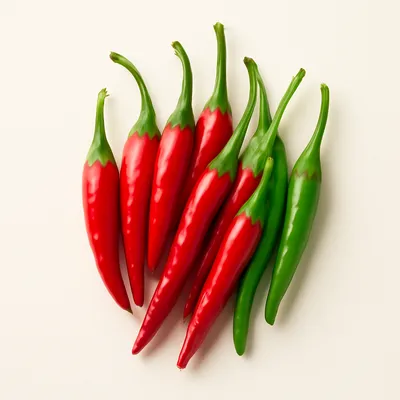


How it's made
7 steps · 1 hour 15 min active + 15 min waiting
- 130 min
Prepare the bitter water: take the chyme from a freshly slaughtered ox's gut (the semi-digested grassy content near the cecum); for the cooked style, dry the bitter content over low heat, tie it in clean cloth, and simmer in water until fragrant, then strain to a clear bitter broth.
- 28 min
Slice lean beef thin and blanch in boiling water just until cooked through; lift out and drain.
Watch outBlanch the lean beef just until cooked through, then lift it out — over-blanching turns it tough and dry before it ever meets the bitter dip.
- 315 min
Roast beef tripe, omasum, and liver over a charcoal fire until cooked and aromatic, then shred or chop fine.
- 48 min
Finely chop the aromatics — Chinese chives, sawtooth coriander (老缅芫荽), 香柳, and bird's-eye chili — and pound or mince the garlic.
- 53 min
In a large bowl, combine the chopped herbs, chili, garlic, ground Sichuan pepper, toasted chili flakes, salt, and a little soy sauce.
- 64 min
Pour in the strained bitter water and stir to a smooth, fragrant green dip; taste and balance the bitterness, heat, and salt.
Watch outTaste the bitter water as you balance it — the whole dish rides on getting the bitter, hot, and salt in tune, then a cooling sweet return.
- 75 min
Add the blanched beef and roasted offal, toss to coat thoroughly, scatter over crushed peanuts, and serve cold as a dip-style dish.
Archive tool suggestions — not reviewed
These legacy suggestions have not been evidence-reviewed and are not presented as required tools.