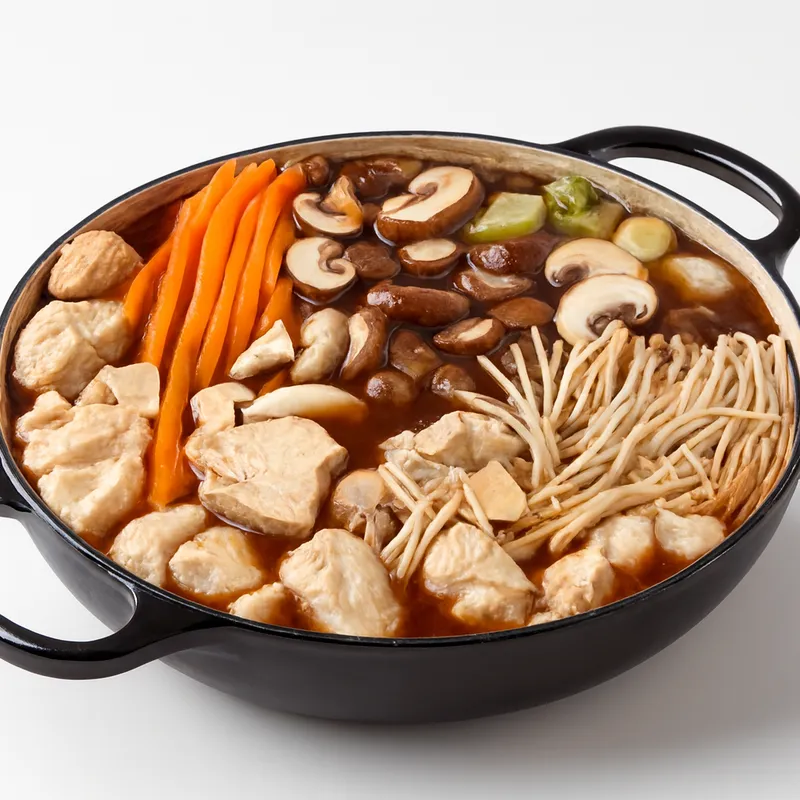
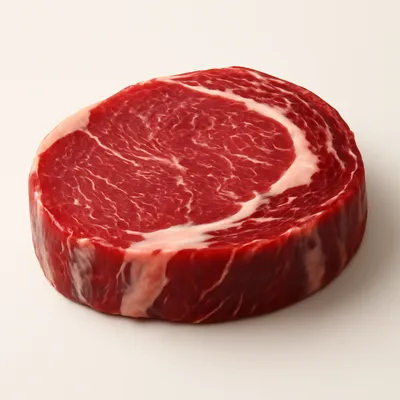
Freshly cut beef, sorted by muscle, blanched for seconds in a clear beef-bone broth that is barely seasoned so nothing masks the meat. Each cut has its own window in the pot — the marbled hanging-dragon, the lean spoon-meat, the springy five-flower shank — and is dipped in a sand-tea sauce. It is one of the defining hotpots of China's younger diners, the format that chains like Baheili built into a nationwide phenomenon.



The style comes from Chaoshan in eastern Guangdong, where the cattle trade and a taste for absolute freshness produced a hotpot built around just-slaughtered, hand-cut beef. The breakout brand is Baheili Haiji, founded in 2008 by Lin Haiping in a 23-square-metre family shop down Baheili lane in Shantou; he had grown up around Chaoshan beef. From 2014 the chain moved out of Shantou into Beijing, Shanghai, Shenzhen, Guangzhou and beyond, and the rule of absolute freshness became its signature — from slaughter to broken-down cuts in the shop in under four hours.
The broth is almost colourless, just beef bones and a few white radish chunks, so what you taste is the meat. You blanch by the cut and by the clock — the marbled hanging-dragon needs only a few seconds, the springy five-flower shank around eight, the lean spoon-meat a touch longer — pulling each out the moment it turns from red to pink. Dipped in sand-tea sauce, the beef is sweet, faintly bloody, and still warm at the centre. Overcook a slice and you have wasted it.
Everything hinges on freshness and timing. Beef this fresh has never been chilled stiff, so its proteins are still supple and its water-holding is at its peak — which is why it must be blanched for seconds, not minutes: brief heat sets the surface without driving the juices out or letting the muscle seize. Each cut has a different fat and connective-tissue makeup, so each has its own ideal dip-time, and serving them in order — leanest and quickest first — keeps the broth clean. The broth is kept nearly unseasoned on purpose; long-simmered bones give a faint glutamate backbone, but the point is to taste the beef, not the soup.
Variations
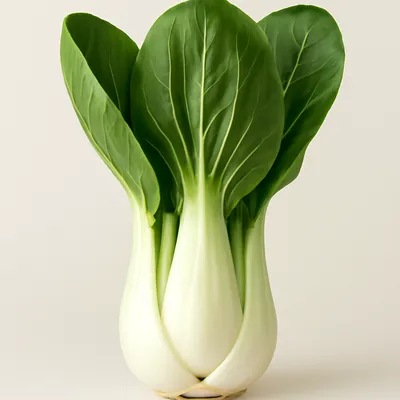
The Chaoshan orthodoxy keeps the broth clear and lets sand-tea sauce carry the flavour; some outside shops add a tomato or spicy pot alongside for those who want a louder soup. Premium tables single out prize cuts — the fattiest sliver of hanging-dragon, the tendon-flecked five-flower shank — while everyday spots also poach beef balls and offal in the same clear pot. Leftover broth, by then carrying the fat of many batches, is drunk at the end with a handful of greens.
On the Palate
Where Chaoshan Niurou Huoguo sits in the Chinese flavor cloud
Ingredients
Serves 4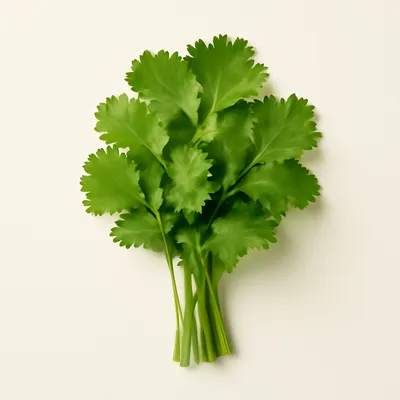
How it's made
6 steps · 30 min
- 10 min
Simmer beef bones with white radish for a clear, lightly savoury broth.
Watch outKeep the broth barely trembling and skim it clear — a hard boil clouds it, and this dish lives on a clean, faintly sweet broth.
- 215 min
Hand-cut fresh beef by muscle group and arrange each cut on its own plate.
- 35 min
Mix a sand-tea dipping sauce.
- 43 min
Bring the clear broth to a gentle boil at the table.
- 51 min
Blanch each cut for its own few seconds, pulling it out as the colour turns.
Watch outPull each slice the instant the red turns — a few seconds is right; hold it longer and the fresh beef seizes and goes rubbery.
- 61 min
Dip in sand-tea sauce and eat at once; finish by poaching greens in the broth.