A Jinan showpiece of knife craft and heat control: crosshatch-scored pork tripe and chicken gizzard blanched in boiling water for mere seconds, then bathed in crackling clear broth—both landing in the narrow window between raw and rubbery.

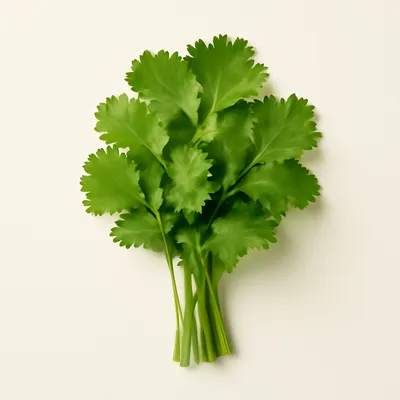
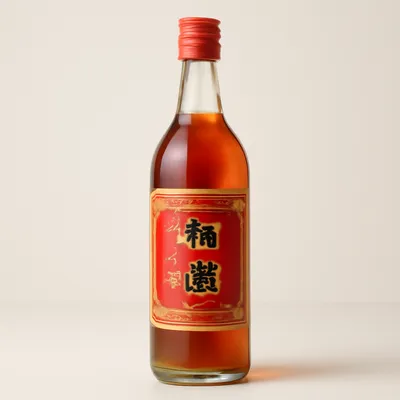

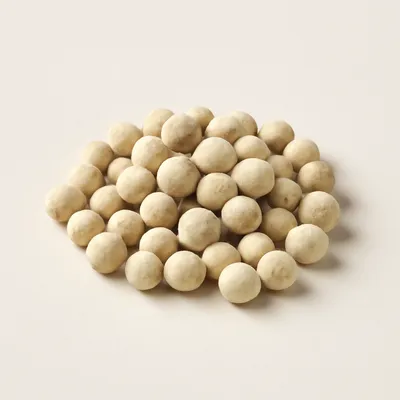

Soup-blanched double crisp has been documented in Jinan's culinary tradition for over 200 years. It is the sister dish to oil-blanched double crisp (油爆双脆), the two collectively known as the 'Lixia Double Crispies' (历下双脆), named for the historic Lixia district of Jinan. The oil-blanched version demands ferocious wok heat and millisecond precision; the soup-blanched version substitutes a large pot of boiling clear broth for the flaming wok, trading one form of heat mastery for another. At Shandong Province's inaugural regional cuisine exhibition in 1956, the dish earned unanimous acclaim from judges for its 'crisp and tender texture, clear and delicate broth, and mellow aroma.'
The tripe flower curls white in the hot broth and snaps briefly before yielding to a clean, barely organ-flavored chew. The gizzard is denser, each scored segment curling like a petal, slightly chewier and more savory. The broth around them is pure, almost invisible, and ferociously hot.
The crispness depends on rapid protein denaturation without over-coagulation. Pork tripe's primary connective tissue is collagen; a 3-minute alkaline bath partially hydrolyzes the collagen fibers, converting leathery toughness into tender resilience. The crosshatch scoring maximizes surface area, allowing near-instantaneous heat penetration: a 5–10 second blanch denatures surface proteins and triggers curling while the interior remains barely cooked—this is the critical 'crisp' window. An additional 30 seconds pushes collagen past its gel point into irreversible rubbery toughness. Chicken gizzard, being dense smooth muscle, requires slightly longer and is therefore added to the boiling water first.
Variations
The oil-blanched version (油爆双脆) uses identical knife technique but flash-fries the ingredients in very hot oil (around 180°C) for 5–8 seconds, yielding a slightly richer and more aromatic result at the expense of delicate clarity. Some modern restaurants offer a small side of Shandong-style vinegar for dipping.
On the Palate
Where Soup-Blanched Double Crisp sits in the Chinese flavor cloud
Ingredients
Serves 2How it's made
8 steps · 15 min
- 15 min
Peel the outer membrane from pork tripe top; score the smooth side in a tight crosshatch at 2/3 depth; cut into 2.5 cm squares.
- 25 min
Dissolve 3g alkaline powder in 500ml boiling water and allow to cool; soak scored tripe pieces exactly 3 minutes; drain and rinse thoroughly with cold water.
Watch outTime the alkaline soak to exactly three minutes and rinse well — it just needs to tenderize the tripe; leave it longer and you taste soapy alkali and the crisp is gone.
- 33 min
Score chicken gizzard in a crosshatch pattern at 2/3 depth; hold in a bowl of cold water.
- 45 min
Bring a large pot of water to a vigorous boil for blanching. In a second pot, heat clear broth to a boil; season with soy sauce, salt, Shaoxing wine, and white pepper.
- 53 min
Drop gizzard pieces into the boiling water first; count 15 seconds; add tripe pieces; count 10 more seconds; remove both immediately and divide into serving bowls.
Watch outThis is the crisp window — gizzard fifteen seconds, tripe ten, then out at once; the pieces should just curl. Thirty seconds and the collagen turns to rubber.
- 61 min
Scatter sliced scallion and cilantro over the blanched ingredients.
- 72 min
Ladle hot seasoned clear broth into the bowls from the side; the liquid will gently finish cooking the ingredients.
- 81 min
Serve immediately—both ingredients will toughen within 2 minutes in the hot broth; eat at once.
Watch outThe hot broth keeps cooking them — eat within two minutes or both toughen; this is a dish you serve and everyone dives into straight away.
Archive tool suggestions — not reviewed
These legacy suggestions have not been evidence-reviewed and are not presented as required tools.



