Tiny wheat dough squares simmered in a clear beef bone broth with slivers of beef, silken tofu, and soft noodle sheets—every element cut to thumbnail size. Zhangye's defining morning meal, ladled out before dawn to queues of locals.



"Xiao Fan" (small bowl noodles) has roots in Hexi Corridor wheat-belt cooking. In 2015, "Ganzhou Xiao Fan" (Zhangye local-flavor snack craft) was formally inscribed on Zhangye's third-batch municipal-level intangible cultural heritage list by the municipal government, recognizing the dish's place in local food culture.
The dough squares are tender yet springy, soaking up silky bone broth; beef slivers slide between bites while tofu dissolves softly on the tongue, with a gentle white-pepper heat rising from the back of the throat.
Beef bones simmered for three or more hours hydrolyze collagen into gelatin, which lends the soup a silky mouthfeel and coats the palate. Free glutamate from beef muscle and inosine monophosphate from bone marrow interact synergistically, amplifying perceived umami many times beyond either compound alone. The dough squares benefit from a repeated knead-and-rest technique: each rest cycle allows gluten networks to relax and realign, building both extensibility and elasticity; starch gelatinizes during boiling to produce a soft outer layer over a resilient gluten core.
Variations
The Hui Muslim version thickens the broth with a starch slurry for a silkier, coating soup. Some shops substitute hand-cut squares with dried hanging noodles (挂面) for convenience. A lamb version (羊肉小饭) is common in pastoral districts north of Zhangye.
On the Palate
Where Zhangye Beef Small Bowl sits in the Chinese flavor cloud
Ingredients
Serves 4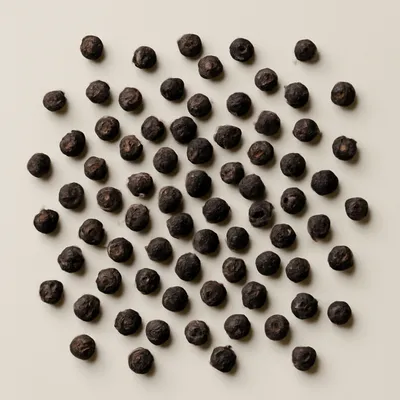

How it's made
7 steps · 30 min
- 1180 min
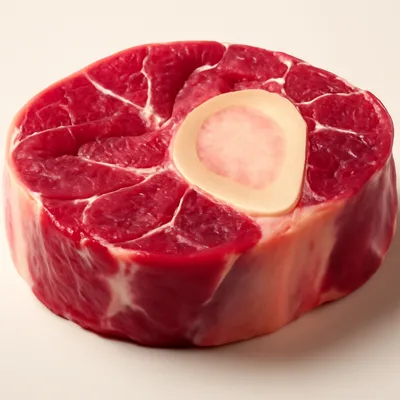
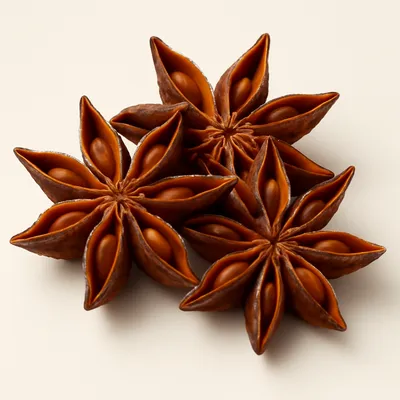
Place beef bone and whole beef shank in cold water with star anise, bay leaf, fennel seeds, ginger, and Sichuan peppercorns; bring to a boil, skim foam thoroughly, then reduce to a low simmer for 3 hours. Remove beef to cool; strain broth and reserve.
Watch outSkim the grey foam off the moment it rises or the broth turns muddy — keep it at the barest tremble, not a rolling boil, so it stays clear and silky.
- 250 min
Mix flour with cold water using chopsticks until shaggy; knead into a smooth ball, cover, and rest 15 minutes. Knead again, rest 15 minutes. Repeat once more for a total of three knead-and-rest cycles.
Watch outRest and re-knead the dough until it's smooth and springs back — skip the rests and the squares turn slack and won't hold a bite.
- 330 min
Roll the rested dough to 2 mm thickness; cut into 1 cm squares. Spread on a floured surface and air-dry for 30 minutes.
- 45 min
Boil the noodle squares in unsalted water until they float and turn slightly translucent, about 3 minutes. Transfer immediately to cold water; drain and set aside.
Watch outPull the squares the instant they float and look slightly see-through — a minute over and they go mushy in the hot broth.
- 510 min
Slice cooled beef thinly against the grain. Cut tofu into 1 cm cubes, radish into thin half-moons, and soak noodle sheets in warm water until pliable.
- 615 min
Bring strained broth to a boil; add radish and tofu, simmer 10 minutes. Add noodle sheets, drained noodle squares, and beef slices; simmer 5 minutes.
- 73 min
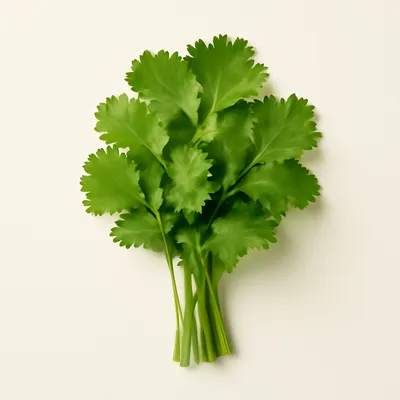
Season with salt and white pepper; ladle into bowls, garnish with minced scallion, cilantro, and a pinch of chili powder.
Archive tool suggestions — not reviewed
These legacy suggestions have not been evidence-reviewed and are not presented as required tools.


