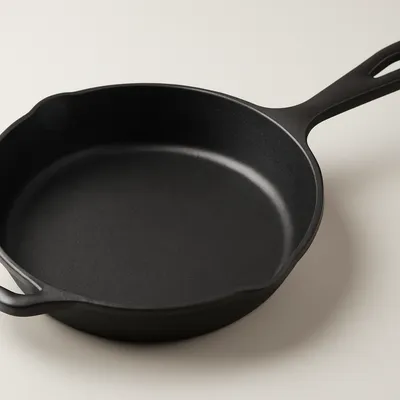
A soufflé pancake (suffure pankeki) is a tall, exceptionally light pancake made by folding a stiff meringue into a small amount of egg-yolk batter and cooking it slowly over low heat in a covered pan or in ringed molds. The result is two or three thick, wobbling rounds, pale gold outside and barely-set custardy inside, stacked and dusted with sugar or topped with whipped cream, fruit and maple syrup. They are noticeably taller and jigglier than ordinary pancakes and visibly tremble when the plate is moved. Almost always a café dessert or brunch item, they are made and eaten fresh because they begin to deflate as they cool.





The soufflé pancake is a modern café dish that rose to prominence in Japan in the 2010s. Its exact invention is not firmly established and is sometimes attributed outside Japan—one widely cited account credits the chef Nathan Tran, who is said to have served a freestanding soufflé shaped like a pancake at his Cream Pot restaurant in Waikiki, Hawaii, from around 2008. In Japan the style spread through a wave of dedicated pancake cafés: the Osaka-founded chain Gram opened in 2014 and helped popularize its limited-availability 'premium pancakes,' Shiawase no Pancake opened in Tokyo's Omotesando in 2015, and Flipper's opened in Tokyo in 2016, alongside the Hawaiian import Eggs 'n Things, which had entered Japan in 2010. Social media, where the jiggling pancakes photographed and filmed well, drove the boom and carried it abroad.
A good soufflé pancake quivers when set down and yields to the fork with almost no resistance. The outside is a thin, faintly browned skin; the inside is moist, airy and just-set, closer to the steamy middle of a soufflé than to cake, with a clean egg-and-milk sweetness. It should be warm and eaten at once. The pleasure is the textural contrast and the sheer lightness—it nearly melts. A failed one collapses into a dense, eggy, rubbery disc, usually because the meringue was overbeaten or underbeaten, knocked down during folding, or cooked too hot so the outside sets and burns before the inside can rise.
The pancake is leavened almost entirely by a whipped egg-white foam. Beating egg whites unfolds their proteins, which link into a network around countless air bubbles; sugar added gradually stabilizes this meringue so it holds stiff, glossy peaks without weeping. Only a little of the foam is mixed into the yolk batter to slacken it, then the rest is folded in gently so the bubbles survive. Low heat is essential: as the batter warms, the trapped air expands and the egg and flour proteins coagulate around it, setting the foam into a solid but airy structure before it can collapse—too high a heat browns and sets the outside while the inside is still raw, and the structure falls. Covering the pan (or molding the batter in rings) traps steam and bakes the tall, wet interior through evenly. The set is delicate, so the pancakes sag once they cool and the air contracts.
Variations
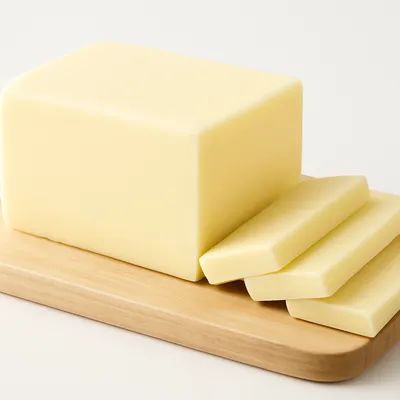
The two common cooking methods are free-form rounds shaped by hand in a covered pan and batter set inside greased ring molds for straighter, taller sides. Toppings range from a simple dusting of powdered sugar and a pat of butter with maple syrup to elaborate plates with whipped cream, seasonal fruit, berry compote, matcha or chocolate sauce. Some recipes add a little cream cheese for a denser, cheesecake-like body, and savory versions are topped with bacon and egg. The same meringue-leavened idea underlies Japanese soufflé cheesecake; the dish is distinct from the thick, batter-and-baking-powder hotcakes served at older kissaten cafés.
On the Palate
Where Soufflé Pancake sits in the Japanese flavor cloud
Ingredients
Serves 2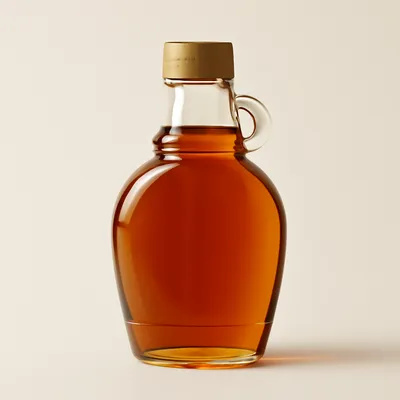
How it's made
8 steps · 20 min
- 13 min
Separate the eggs, putting the whites in a clean, cold bowl and the yolks in another.
- 24 min
Whisk the yolks with milk, vanilla and the sifted flour into a smooth, thick batter.
- 36 min
Beat the egg whites, adding the sugar in stages, until they hold stiff, glossy peaks.
Watch outBeat the whites, adding sugar in stages, until stiff and glossy — this meringue is the only leavening; a weak, weepy foam and the pancake won't rise.
- 43 min
Stir a spoonful of the meringue into the yolk batter to loosen it, then fold in the rest gently, keeping the mixture airy.
Watch outFold the meringue in gently, keeping the batter airy — deflate the bubbles now and you've lost the height.
- 53 min
Heat a nonstick pan over very low heat with a little oil and, if using, set greased ring molds in it.
- 62 min
Spoon in tall mounds of batter (or fill the molds), add a few drops of water to the pan, and cover.
- 710 min
Cook gently until the bottoms are set and pale gold, then carefully flip, cover again, and cook through until risen and just firm.
Watch outCook on very low heat, covered, so it sets before it can collapse — high heat browns the outside while the airy inside falls.
- 82 min
Stack two or three per plate and serve immediately with butter, syrup, whipped cream or fruit before they deflate.
Archive tool suggestions — not reviewed
These legacy suggestions have not been evidence-reviewed and are not presented as required tools.