
A sour, ferment-funky soup base from Puqian in Wenchang, Hainan, built from the lees (酒糟) left over after brewing rice wine. The lees are diluted with water and simmered with chili and garlic oil into a tangy, faintly boozy, garlicky broth. Traditionally it was a street snack for cooking sea vegetables and shellfish; over the past couple of years it has grown into a Hainan hotpot craze, the broth used to poach fresh seafood. Its clean sourness cuts fishiness and lifts sweetness.
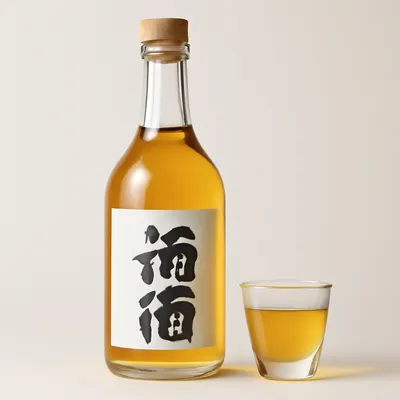



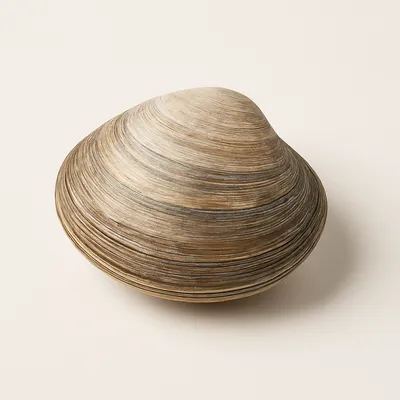

Zaopocu is a thrift dish of the fishing town of Puqian in Wenchang, Hainan. When locals brewed rice wine, the spent lees left behind were not discarded but fermented further, then thinned with water and cooked down with chili and garlic into a vinegar carrying notes of vinegar, rice, garlic and pepper at once — its name literally means 'dregs vinegar.' Locals also call it 'women's vinegar' for a reputed nourishing quality. Long a humble street snack for simmering sea vegetables and shellfish, it broke out around 2023 to 2024: vendors paired the broth with seasonal seafood as a 'sea pot,' it became a hotpot in its own right, and short-video check-in culture turned it into one of Hainan's most-photographed eats.
The first thing is the smell — sour and faintly winey, with a fermented funk underneath and a strong garlic lift. The broth is thin and tangy, not sharp like table vinegar but rounded, with a low rice sweetness and a chili warmth running through. You poach things in it: clams, conch, sea snails, offal, sea vegetables, fish, and the broth strips away any fishy edge and leaves the seafood tasting cleaner and sweeter. By the end the soup, now soaked with the brine of everything cooked in it, is the best part to drink.
The whole dish rests on a second fermentation of rice-wine lees. After the wine is drawn off, the lees still hold yeast, residual sugars and live cultures; left to ferment on, acetic-acid and lactic bacteria convert those into organic acids, building a soft, complex sourness alongside lingering esters that read as a winey aroma — quite different from the single sharp note of distilled vinegar. Diluting and simmering it with garlic and chili tempers the acid and rounds the flavor. In the pot that acidity does real work: a mild acid bath denatures surface proteins and suppresses the volatile amines behind fishy smells, so seafood poached in it tastes cleaner and its sweetness comes forward.
Variations
At its simplest it is a street bowl for poaching sea vegetables, clams and offal; scaled up with fresh seafood it becomes the 'sea pot,' and as a full hotpot it anchors a table of seafood, noodles and greens. Cooks tune the sourness, garlic and chili to taste, and some add a little sugar or extra rice wine to round it. It sits within a wider wave of sour-soup hotpots — Hainan's zaopocu alongside Guizhou's sour-soup style — and outside Hainan some shops use a bottled zaopocu base to approximate it.
On the Palate
Where Zaopocu sits in the Chinese flavor cloud
Ingredients
Serves 4
How it's made
6 steps · 30 min active + 10 min waiting
- 13 min
Put the rice-wine lees in a pot and dilute with water, roughly one part lees to twenty parts water.
- 23 min
Bring to a boil, then add salt and a little rice vinegar to taste.
Watch outAdd just a little rice vinegar to taste — the lees already carry the sourness, so it's there to adjust, not to lead.
- 32 min
Stir in garlic and a spoon of chili-garlic oil and turn the heat to low.
- 420 min
Simmer the broth gently for about twenty minutes so the acid mellows and the flavors come together.
Watch outSimmer gently 20 minutes so the sharp edge rounds off into a mellow, winey sour — a hard boil just drives off the aroma and leaves it flat-tart.
- 55 min
Bring the broth to the table over a burner and poach clams, conch, sea vegetables, and other seafood to order.
- 62 min
Drink the soup at the end, once it has soaked up the brine of everything cooked in it.


