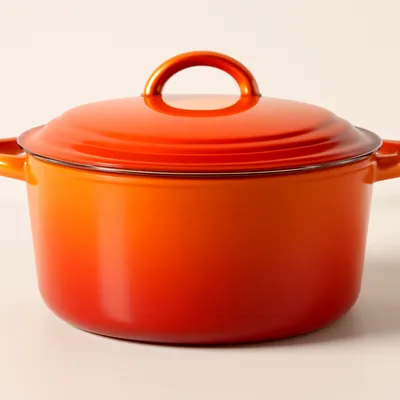
Potjevleesch — Flemish for "little pot of meat" — is a French-Flanders terrine of four white meats: rabbit, chicken, pork and veal, layered into a pot and set in a clear, tart jelly. The meats are seasoned, packed tight and cooked slowly in a wine-and-vinegar stock until tender, then left to set cold under their own gelatinous broth. It is served chilled and sliced or spooned straight from the pot, a fixture of the cafés and estaminets of Dunkirk, Cassel and the Flemish plain. Frites are the customary partner, hot against the cold jelly.
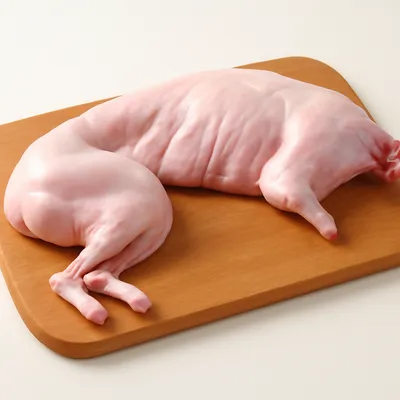

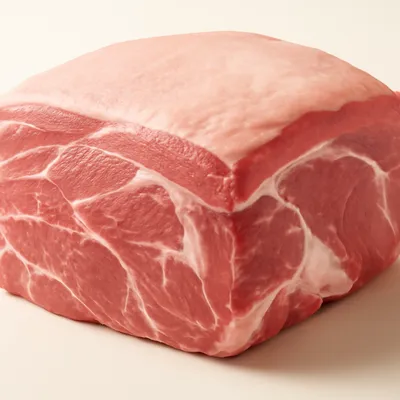
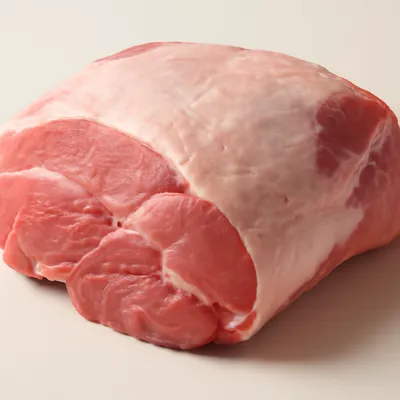


Potjevleesch belongs to the Flemish-speaking corner of the Nord, around Dunkirk and Cassel, and is one of the emblematic dishes of French Flanders. Like most jellied terrines it began as a way of preserving and stretching meat: lesser cuts and the white meats of the farmyard were packed into an earthenware pot, cooked down and sealed under a sour jelly that, helped by the vinegar and the cool cellar, kept for days. The four-meat formula — rabbit, chicken, pork and veal — is the one fixed by tradition and now protected as a regional speciality. It remains the archetypal estaminet dish of the Flemish plain, eaten cold with beer and frites.
Cold from the pot, the jelly is firm but trembling, clear and sharp with vinegar and white wine, and the four meats pull apart in soft strands rather than slices — pale rabbit and chicken, denser pork and veal, all tasting cleanly of meat and a little of bay and juniper. There is no smoke and little spice; the sourness of the set broth does the lifting, cutting the richness of the fat. A forkful of cold meat and quivering jelly with a few hot frites is the way it is eaten across the Flemish cafés.
The jelly is the point. Cooking bone-in white meats — rabbit and veal especially — slowly in stock dissolves their collagen into gelatin, so the strained broth sets to a clear aspic as it cools, without any added gelatine. Vinegar and white wine do double duty: their acidity helps tenderize and season the meat, and it lowers the pH enough to slow spoilage, which is what let the old pots keep in the cellar. Packing the meats tight and weighting them as they cool gives the close, sliceable set; the cold both firms the gelatin and the rendered fat that caps the pot.
Variations
Beyond the canonical four meats, some cooks add a little smoked bacon or swap in turkey, and the souring agent ranges from wine vinegar to a splash of local beer or gin from Houlle and Wambrechies, which echoes the spirits of the Flemish plain. The aromatics are usually bay, thyme, juniper and clove. It is sold by the pot in the region's butchers and traiteurs and served cold in every estaminet, almost always with frites. It sits in the same Flemish-French family as the beer-braised carbonnade and the meatier hochepot, though those are eaten hot.
On the Palate
Where Potjevleesch sits in the French flavor cloud
Ingredients
Serves 6


How it's made
8 steps · 50 min active + 3 hours 10 min waiting
- 120 min
Cut the rabbit, chicken, pork and veal into large chunks and season generously with salt, pepper, juniper and bay.
- 210 min
Layer the four meats into a deep terrine or earthenware pot, packing them tight.
- 35 min
Pour over a stock of white wine, white-wine vinegar and a little water until the meat is just covered.
- 4180 min
Cover and cook very gently in a low oven, around 150 degrees Celsius, for about 3 hours until the meat is tender.
Watch outCook very gently at around 150C — a hard boil clouds the broth and toughens the meat; low and slow melts the collagen for a clear set.
- 510 min
Lift the pot out, press a weight on top while still warm, and let the meats settle.
- 610 min
Strain off some broth, check it sets when cooled, and adjust the seasoning and sourness.
Watch outTest a spoon of the cooled broth — it must set to a firm jelly on its own before you pour it back, or the pot won't hold together.
- 75 min
Pour the broth back to cover the meats and chill overnight until set to a firm jelly.
- 85 min
Serve cold, sliced or spooned from the pot, with hot frites.
Archive tool suggestions — not reviewed
These legacy suggestions have not been evidence-reviewed and are not presented as required tools.