
An Italian-American sandwich of tender pork-and-beef meatballs simmered in marinara, piled into a long split roll, blanketed with melting mozzarella, and often run under the broiler so the cheese browns and the bread crisps. Saucy and substantial, it is one of the cornerstone sandwiches of the American sub shop and the Italian-American kitchen, eaten with a stack of napkins. The roll has to be sturdy enough to hold sauce-soaked meatballs without disintegrating.



The meatball sub belongs to the broad family of Italian-American sandwiches that grew up in the immigrant communities of the northeastern United States between the late nineteenth and mid-twentieth centuries, when Italian laborers needed portable, filling meals; it sits alongside the regional names hero in New York, hoagie in Philadelphia, and grinder in New England. Sources place the meatball sandwich's invention in the United States around the turn of the twentieth century, but the specific city is disputed and no single origin is documented. It is best understood as an American creation built on Italian home cooking — large meatballs in tomato sauce were already a Sunday staple — reframed as a sandwich.
Soft, saucy, and warming: the meatballs give way tenderly, the marinara is bright and a little sweet from long-cooked tomato, and the mozzarella stretches in cheesy threads over the top. The roll, toasted or broiled, holds a crisp edge against the soaking sauce while staying chewy within. It is a knife-and-fork-tempting sandwich eaten by hand anyway, rich and red and unapologetically messy.
Two techniques carry it. The meatballs stay tender because of a panade — bread soaked in milk worked into the meat — whose starch and moisture interrupt the protein strands so they cannot tighten into toughness as they cook, and finishing them by simmering in the sauce rather than hard-frying keeps them moist while they absorb flavor. The marinara reduces slowly so its tomato sugars concentrate and round out. The final broil is functional: it melts and browns the mozzarella and dries the cut face of the roll just enough to fight the sandwich's biggest enemy, sogginess.
Variations
Meatballs may be all beef, all pork, or a beef-pork-veal blend; provolone sometimes stands in for or joins the mozzarella, and a shower of grated parmesan is common. Some shops add sautéed peppers and onions or a pinch of chili. The roll varies by region and name — hero, hoagie, grinder — but the core is constant: tomato-sauced meatballs and melted cheese in a long roll. A baked-to-order, cheese-browned version is often called a meatball parm.
On the Palate
Where Meatball Sub sits in the American flavor cloud
Ingredients
Serves 4

How it's made
6 steps · 50 min
- 112 min
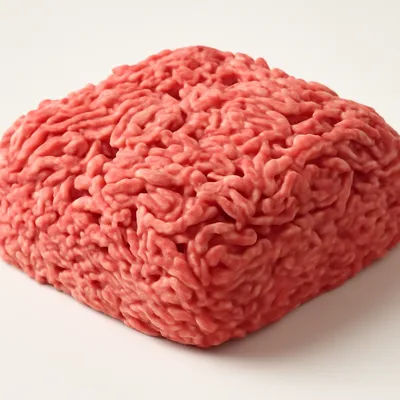
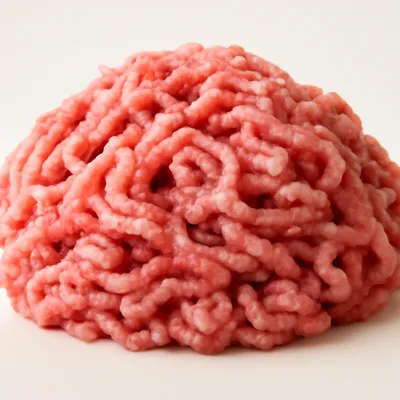
Soak torn bread in milk, then mix with ground meat, egg, grated cheese, garlic, salt, and pepper and roll into meatballs.
Watch outWork the milk-soaked bread right into the meat — that panade is what keeps the meatballs tender; skip it and they cook up tight and dry.
- 26 min
Brown the meatballs on all sides in a little oil, then set aside.
- 320 min
Simmer marinara sauce, add the meatballs, and cook gently until they are cooked through and tender, about 20 minutes.
Watch outFinish the meatballs by simmering in the sauce, not hard-frying — they stay moist and drink up the marinara.
- 43 min
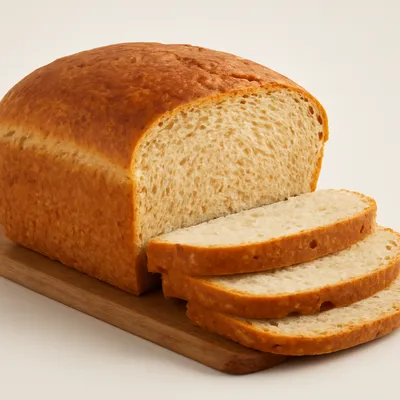
Split the long rolls and toast the cut faces lightly.
- 52 min
Spoon meatballs and sauce into each roll and lay sliced or grated mozzarella over the top.
- 63 min
Run under a hot broiler until the cheese melts and browns, then serve at once.
Watch outBroil just until the mozzarella melts and browns and the roll's cut face dries — that quick blast is what fights the sub's worst enemy, sogginess.
Archive tool suggestions — not reviewed
These legacy suggestions have not been evidence-reviewed and are not presented as required tools.


