The Persian festive mix of roasted nuts, toasted seeds, and dried fruit set out for guests at celebrations. A typical bowl holds pistachios, almonds, hazelnuts, cashews, walnuts, and roasted chickpeas alongside raisins, dried figs, white mulberries, and salted melon or pumpkin seeds. It can be salted, sweet, or both, and is above all the nibble of Nowruz and Yalda night.
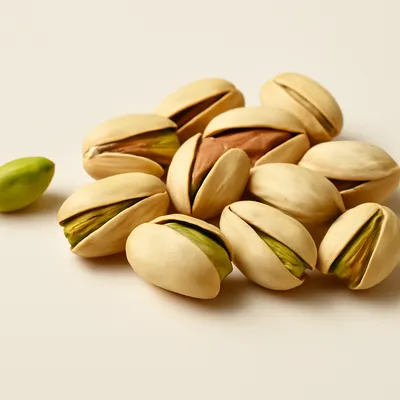
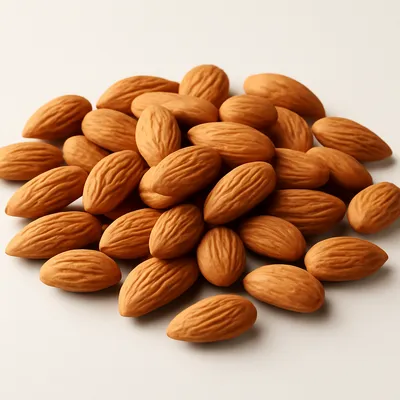

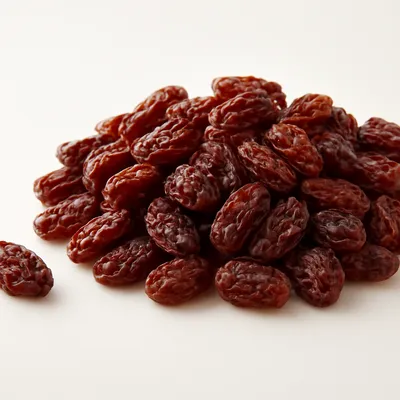


Ajil is woven through the Iranian festive calendar. A bowl is set out at Nowruz, the spring New Year, as a sign of prosperity and welcome, and a special mix is eaten on Yalda night — the winter solstice, the longest night of the year — while gathered families wish for difficulties to be undone. A particular blend, ajil-e moshkel-gosha ('the problem-solving mix'), is shared in that spirit. The nuts themselves are a point of pride: Iran is a major grower of pistachios, almonds, and walnuts.
A handful is all contrast: the snap of a roasted almond against a chewy raisin, the green oiliness of pistachio, a soft fig, the savoury crackle of salted seeds you split between your teeth. Salt and sweetness trade off bite to bite, and the roasting gives the whole bowl a warm, toasty backbone.
Dry-roasting drives off moisture and triggers browning in the nuts and seeds, deepening flavour and crisping the texture; a brine or salt toss before roasting seasons the seeds as their surface dries. The dried fruit is the foil — its retained sugars and chew balance the lean crunch of the nuts, which is why a good ajil is built on the ratio of sweet to savoury, not any single element.
Variations
Salted ajil (nuts and roasted seeds heavy on salt); sweet ajil (leaning on raisins, figs, dried mulberries); ajil-e moshkel-gosha for Yalda; regional and seasonal blends adding dried apricot, sour-cherry, or roasted corn; chickpea-and-raisin nokhodchi as a simpler everyday cousin.
On the Palate
Where Ajil sits in the Persian flavor cloud
Ingredients
Serves 12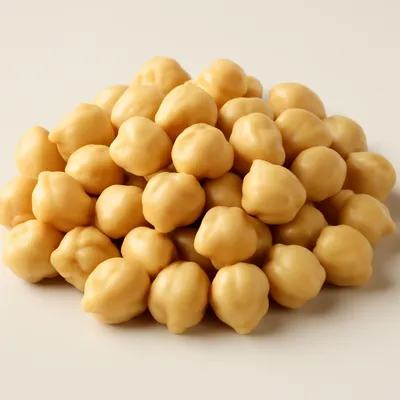
How it's made
7 steps · 15 min
- 14 min
Sort the raw nuts and seeds by roasting time, keeping like with like.
- 22 min
Toss the seeds with a little salt or brine so they will season as they dry.
- 330 min
Dry-roast each nut and seed type separately until golden and fragrant.
Watch outDry-roast each nut and seed separately until golden and fragrant — they brown at different rates, so a shared pan leaves some pale and others scorched.
- 415 min
Cool everything fully so the textures stay crisp.
Watch outCool everything fully before mixing — warm nuts trap steam and go soft, losing the crunch that plays against the chewy fruit.
- 55 min
Soften or trim the dried fruit if needed and cut larger pieces.
- 64 min
Combine nuts, seeds, and dried fruit in the balance of salty to sweet you want.
- 72 min
Tip into a serving bowl for the festive table.
Archive tool suggestions — not reviewed
These legacy suggestions have not been evidence-reviewed and are not presented as required tools.



