A cooling summer tong sui of slow-simmered mung beans and sea kelp, thick with creamy green bean paste and faintly mineral from the dried seaweed, brightened by a sliver of aged tangerine peel.


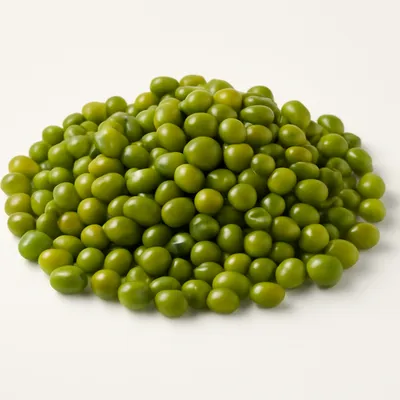
Mung beans (绿豆) have been central to Chinese summer food medicine since the Tang dynasty — Sun Simiao's Qianjin Yaofang (千金要方) describes their cooling, detoxifying properties. The specific Cantonese tong sui tradition of cooking mung beans until they fully burst open into a thick paste (起沙) is a technique refined in Guangdong and Hong Kong kitchens. Adding dried kelp — an ingredient more common in Fujian and Lingnan coastal cooking — is a distinctively Guangdong adaptation, contributing iodine-rich mineral depth and a savoury counterpoint to the sweet beans.
The soup is comfortingly thick but not heavy, with a creamy, gently grainy texture from the burst mung beans; the kelp provides mild marine umami that keeps the sweetness in check, and the tangerine peel contributes a distant citrus fragrance.
Mung bean skins are rich in flavone glycosides (vitexin, isovitexin) with documented antioxidant activity. Their high potassium-to-sodium ratio promotes renal sodium-potassium exchange, supporting the traditional claim of cooling and diuretic benefit. The starch within the beans gelatinizes fully on long simmering; skimming the floating hulls produces a smooth, creamy paste (起沙) rather than a granular texture. Kelp (Saccharina japonica) contributes iodine, alginic acid, and fucoidan — the latter with clinical evidence for cholesterol-lowering effects.
Variations
Serve hot in winter or chill over ice in summer — the flavors intensify when cold. A small amount of dried herb (香草/臭草, rue) can replace tangerine peel for a more medicinal cooling effect. For a thinner drink consistency, reduce simmering time and do not skim the skins.
On the Palate
Where Kelp and Mung Bean Sweet Soup sits in the Chinese flavor cloud
Ingredients
Serves 6How it's made
7 steps · 4 hours 30 min
- 1180 min
Rinse mung beans; soak in cold water for 3 hours. Soak dried kelp in a separate bowl of cold water for 30 minutes until pliable; drain and cut into thin 3cm strips.
- 25 min
Lightly rinse dried tangerine peel; soak in water for 5 minutes to soften; scrape away the white pith.
- 33 min
Add 2 liters of water, the mung beans, and the tangerine peel to a clay pot; bring to a vigorous boil over high heat.
- 430 min
Reduce to medium heat; cook uncovered for 30 minutes, skimming the loose bean husks that float to the surface.
Watch outSkim the loose bean hulls as they float up — pulling the skins off is what lets the beans break down into a smooth creamy paste instead of staying grainy.
- 530 min
Add the kelp strips; continue simmering over medium heat for another 30 minutes until the beans are completely soft and beginning to break down into a creamy paste.
Watch outSimmer until the beans collapse and start to 'sand' into a creamy paste — that's the sign the starch has fully gelatinized and the soup will be smooth.
- 63 min
Add rock sugar; stir until fully dissolved. Taste and adjust sweetness.
- 72 min
Serve hot for winter warmth, or cool to room temperature and refrigerate for a chilled summer drink served over ice.
Archive tool suggestions — not reviewed
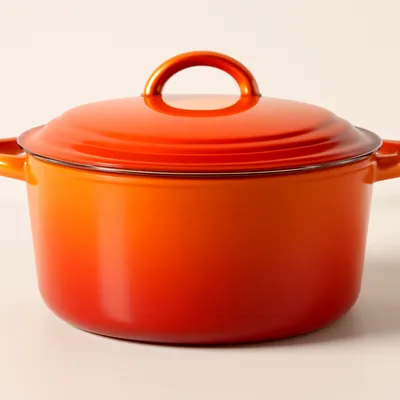
These legacy suggestions have not been evidence-reviewed and are not presented as required tools.