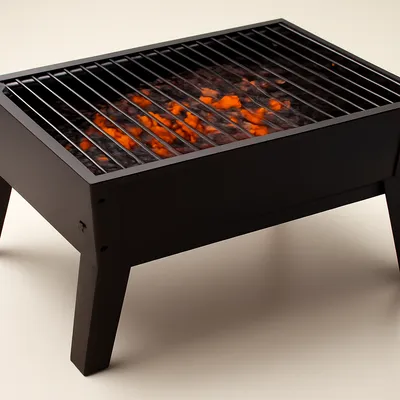
Central Fujian's prized cured duck: a half-Muscovy duck from Shaxian's Zhenghu Township is brined overnight, pressed flat into a lute shape on bamboo frames, then alternately sun-dried and cold-smoked over rice husks and tea-shell coals in three repeating cycles, yielding amber skin and deeply concentrated meat.




Shaxian's Zhenghu Township, deep in Sanming's hill country, has produced this pressed duck for over a thousand years. Mountainous terrain and cold winters made curing and smoking essential preservation strategies long before refrigeration. Local gazetteers and food records document that half-Muscovy ducks—a cross between local breeds and Muscovy ducks—were chosen for their firm, lean flesh that holds form through multi-day processing. A story widely repeated in local sources holds that Song-dynasty official Li Gang (1083–1140), who served in Shaxian in 1119 during the Xuanhe era, praised Zhenghu pressed duck as the finest of all fowl meats; this anecdote circulates in local food writing but has not been verified in Li Gang's own surviving texts and should be read as legend rather than documented fact.
The amber skin shatters at the first bite, releasing a whisper of rice-husk smoke and a faint sweetness from the tea-shell charcoal. The pressed meat beneath is dense and chewy, months of seasoning compressed into every strand, with a clean salt finish and no gamey note.
Salt curing draws moisture out by osmosis, lowering the duck's water activity from roughly 0.98 to around 0.85, creating conditions hostile to spoilage bacteria. Pressing the duck flat with bamboo frames ensures uniform moisture loss from all surfaces. Smoking with rice husks and tea-shell charcoal pyrolyzes lignin to produce phenolic compounds—guaiacol and syringol—which deposit on the skin, contributing amber color, smoky aroma, and additional antimicrobial protection. The three alternating drying-and-smoking cycles gradually hydrolyze muscle proteins into free amino acids, building a flavor concentration far beyond that of fresh duck.
Variations
Some Zhenghu producers make a pressed chicken version using local Shaxian chickens for a milder, cleaner flavor. The smoking fuel varies by household: fruitwood adds resinous notes, pine gives a sharper smoke, and pure bamboo charcoal produces the cleanest finish. Rehydrated pressed duck is also braised in soy sauce with star anise for a festive red-cooked dish.
On the Palate
Where Shaxian Pressed Duck sits in the Chinese flavor cloud
Ingredients
Serves 4How it's made
7 steps · 1 hour
- 120 min
Slaughter and pluck the half-Muscovy duck; remove the internal organs and excess abdominal fat. Rinse inside and out under cold running water and pat dry.
- 2480 min
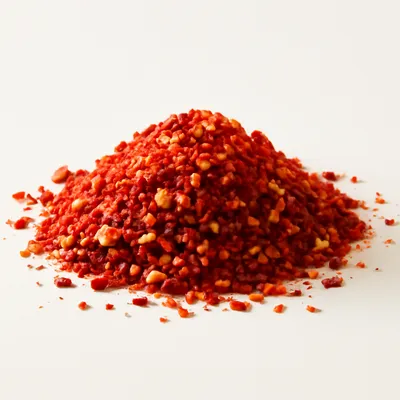
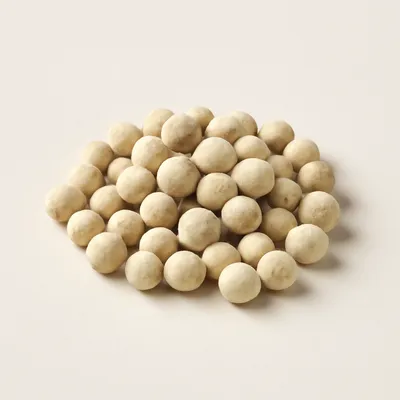
Mix coarse salt, minced garlic, dried chili flakes, and white pepper into a dry rub. Coat the duck thoroughly inside and out; leave to cure overnight in a cool, well-ventilated space.
Watch outCoat thoroughly with the salt cure and leave it overnight — even coverage draws the moisture out uniformly; a patchy rub leaves damp spots that spoil.
- 3300 min
The next morning, insert bamboo skewers through the duck to press it flat and hold it in an open, lute-like shape. Hang in direct sunlight to air-dry for 3–5 hours.
- 4120 min
Transfer the duck to a smoking rack set above a low smoldering bed of rice husks and tea-shell charcoal. Maintain a temperature of 60–70°C and cold-smoke for 2 hours.
Watch outKeep the smoke at 60-70°C, a steady low heat — too hot and you cook the duck instead of cold-smoking it, drying the skin hard and greasy.
- 52880 min
Return the duck to sun-drying for another half day. This completes the first drying-smoking cycle; repeat the smoke-and-sun sequence two more times over the following 2–3 days.
- 61440 min
After the third cycle, the skin should be firm, amber, and glossy. Hang in a cool, ventilated place for one final day to let the smoke equilibrate evenly through the meat.
- 720 min
To serve, steam the whole pressed duck over briskly boiling water for 20 minutes to rehydrate and warm through; chop into pieces and arrange on a serving platter.
Archive tool suggestions — not reviewed
These legacy suggestions have not been evidence-reviewed and are not presented as required tools.