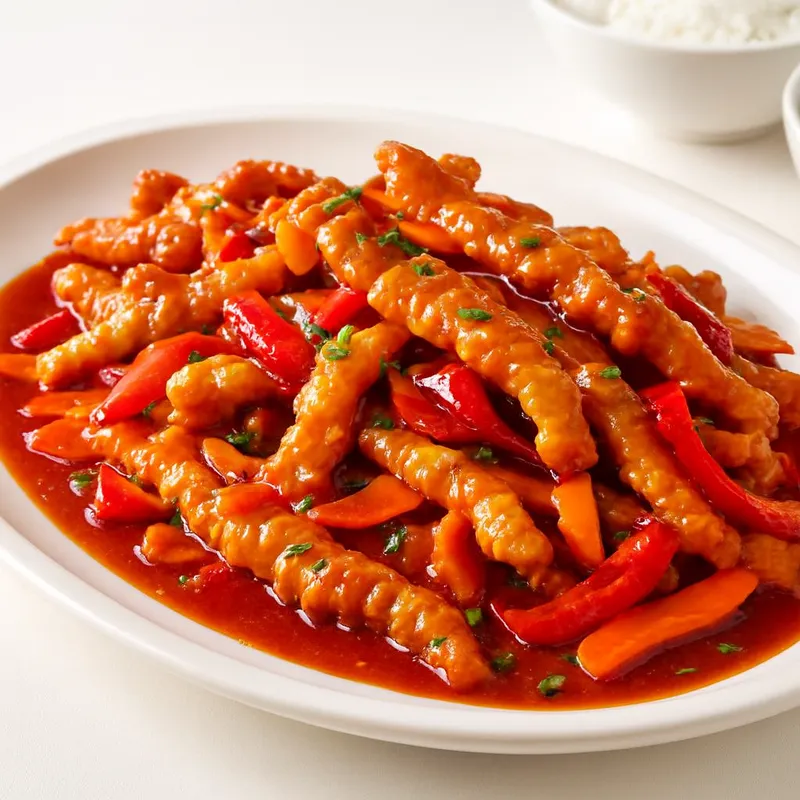
A whole live lobster dispatched, portioned, and steamed for precisely eight minutes over furiously boiling water — nothing more than white wine, salt, ginger, and scallion stand between the chef and the lobster's pure ocean sweetness. The Teochew word 炊 marks this as an ancient lineage: a classical steam-cooking term preserved in Minnan dialect centuries after Mandarin moved on.
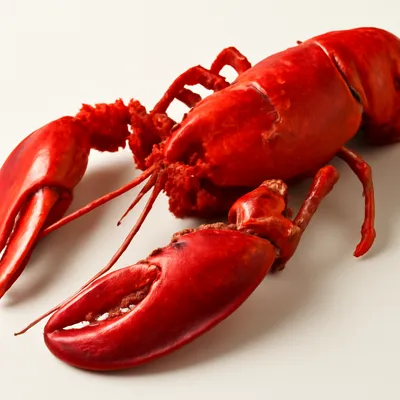





The Teochew verb 炊 (Teochew romanisation: chui) for steam-cooking is a classical Chinese term that survived intact in the Minnan-Teochew dialect long after Mandarin speakers replaced it with 蒸. Historical linguists trace the Minnan preservation of this usage to at least the Song dynasty (960–1279), when coastal Fujian maintained vocabulary that faded elsewhere in China. Live-steaming whole lobster became a prestige centrepiece in the Teochew formal banquet (筵席), serving simultaneously as proof of the host's access to the freshest seafood — the creature must be alive when it enters the steamer — and of the kitchen's confidence in pure-flavour, minimal-intervention cooking. Teochew merchant networks ensured a reliable supply of large spiny lobsters landed at Shantou port, making the dish a fixture of major ceremonial meals by the early twentieth century.
The meat peels away in soft, glistening layers — ocean-sweet with a faint mineral richness that no sauce could improve. A finish so clean it is almost delicate, a reminder that the best Teochew cooking is an act of disciplined restraint.
Spiny lobster proteins begin to denature at 60–65°C; eight minutes of full-rolling steam reaches the shell-cavity centre to a safe temperature without exceeding 70°C in the thickest body meat, keeping myosin cross-links loose enough for a tender, not rubbery, bite. Rice wine alcohol displaces trimethylamine — the volatile compound responsible for fishy off-notes — while gently denaturing surface proteins to lock in moisture. Hot finishing oil poured immediately after steaming provides ester aromatics that amplify the perception of sweetness in the cooling meat.
Variations
Ginger-scallion lobster (姜葱龙虾) adds a wok-fried ginger-scallion sauce after steaming for a more assertive flavour; lobster baked over glass noodles (龙虾粉丝煲) lets the soaked vermicelli absorb every drop of the shellfish juices; Teochew chilled lobster (冻龙虾) serves the steamed meat over crushed ice for a firmer, near-sashimi texture.
On the Palate
Where Live Steamed Lobster sits in the Chinese flavor cloud
Ingredients
Serves 4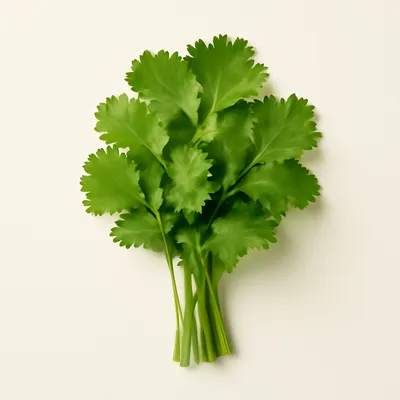

How it's made
7 steps · 20 min
- 115 min
Place the live lobster in the freezer for 15 minutes to calm it; remove and swiftly dispatch by inserting a sharp knife through the head joint.
- 25 min
Split the lobster lengthwise; remove the stomach sac behind the eyes and the dark intestinal tract running the length of the tail. Rinse under cold water.
- 33 min
Chop each half into 5-cm sections; arrange on a heatproof plate shell-side down, with the head pieces at the centre for presentation.
- 42 min
Mix 1 tbsp rice wine with 1 tsp fine salt; drizzle evenly over the lobster flesh. Lay ginger slices and scallion pieces across the top.
- 58 min
Bring the steamer to a furious rolling boil; place the plate inside and cover tightly. Steam at maximum heat for exactly 8 minutes.
Watch outSteam at a furious rolling boil exactly 8 minutes without lifting the lid — the meat sets tender in that window; over-steam and it turns rubbery and dry.
- 61 min
Lift out the plate; discard ginger and scallion. Immediately drizzle with hot neutral or citrus oil to seal in moisture.
Watch outPour the hot oil over the moment it comes off the steam — that sizzle seals the moisture and lifts the sweet aroma; let it cool first and the flavor falls flat.
- 71 min
Serve on the same plate without delay, garnished with fresh coriander, alongside small bowls of Teochew fish sauce for dipping.
Archive tool suggestions — not reviewed
These legacy suggestions have not been evidence-reviewed and are not presented as required tools.