

Kaab el Ghazal — 'gazelle horns' — is the most refined of Moroccan almond sweets, and the earliest documented: it appears in Ibn Razin al-Tujibi's 13th-century Andalusian cookbook, making it one of the oldest recorded pastries in the western Mediterranean. It is considered the ancestor of all almond-based confectionery in the Moroccan tradition. The name refers to the crescent shape, said to evoke a gazelle's horn. The filling is almond paste scented with orange-blossom water, wrapped in a thin dough, shaped into a crescent, and baked until just set. They are made for Eid, weddings, and special occasions, and the quality of a Moroccan pastry cook is often judged by the thinness of the dough and the delicacy of the almond filling.
A whisper of crisp pastry giving way to a smooth, cool almond paste perfumed with orange blossom; not very sweet, delicate, with a dusty sugar coating. One bite and you understand why it has lasted eight centuries.
The dough is the technical challenge: it must be rolled paper-thin, almost translucent, or the pastry eats doughy and the almond filling is lost. The almond paste is bound with orange-blossom water and a little egg or butter, not too wet or it leaks during baking. The crescent must be sealed tightly — a gap and the filling oozes. Baking is gentle and brief: the goal is to set the dough and warm the almond, not to brown it heavily, since the flavor is in the almond's subtlety, not in caramelization. Orange-blossom water is volatile, so it is mixed into the filling cold, and the short bake preserves its floral top note.
Variations
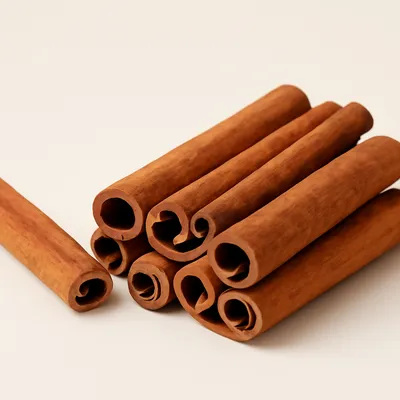
Some versions add cinnamon to the almond paste. A modern shortcut uses store-bought warqa or phyllo instead of the traditional dough. Coconut is sometimes mixed into the filling.
On the Palate
Where Kaab el Ghazal sits in the Moroccan flavor cloud
Ingredients
Serves 24

How it's made
6 steps · 1 hour
- 115 min
Make the dough: sift 2 cups flour with a pinch of salt, cut in 2 tbsp melted butter, add warm water gradually to form a firm smooth dough; knead 10 minutes; rest 30 minutes wrapped.
- 28 min
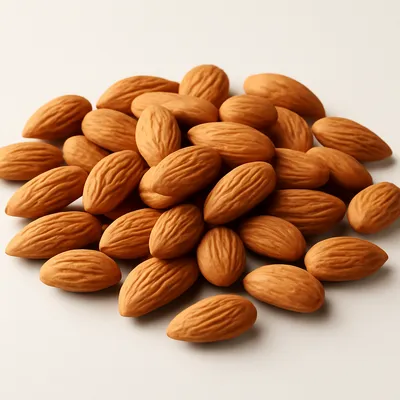
Make the filling: blend 300 g blanched almonds (toasted and ground) with 150 g sugar, 1 tsp cinnamon, 2 tbsp orange-blossom water, 2 tbsp melted butter, and 1 egg yolk into a smooth paste.
- 38 min
Roll the dough paper-thin on a lightly floured surface; cut into 8 cm rounds.
Watch outRoll the dough until it's almost translucent — any thicker and the pastry eats doughy and buries the almond.
- 48 min
Place 1 tsp filling near one edge of each round; fold over and shape into a crescent, pressing the edges to seal tightly; crimp with fingers or a fork.
- 55 min
Arrange on a parchment-lined tray; brush lightly with egg wash; bake at 180 degrees C for 12-15 minutes until just pale golden, not browned.
Watch outBake just to pale gold, no browning — the flavor lives in the almond's delicacy, and color means you've overbaked it.
- 64 min
Cool completely; dust generously with icing sugar before serving.
Archive tool suggestions — not reviewed
These legacy suggestions have not been evidence-reviewed and are not presented as required tools.