




Pre-Islamic Berber celebration cooking, going back at least 2,000 years — the buried-pit method (ferran) is documented by Roman observers in North Africa. Mechoui became the centerpiece of Eid al-Adha across Morocco and rural feast occasions (weddings, harvest gatherings). In Marrakech a daily stallholder version exists at the Djemaa el-Fna market, where lambs go into communal underground ovens at 5am and come out at noon for lunch service.
Pre-Islamic Berber pit cooking documented by Roman observers in North Africa over 2,000 years ago. The buried clay chamber runs around 130-150°C and the lamb self-bastes from its own moisture — sealed pit, no liquid added, falls off the bone in six hours.
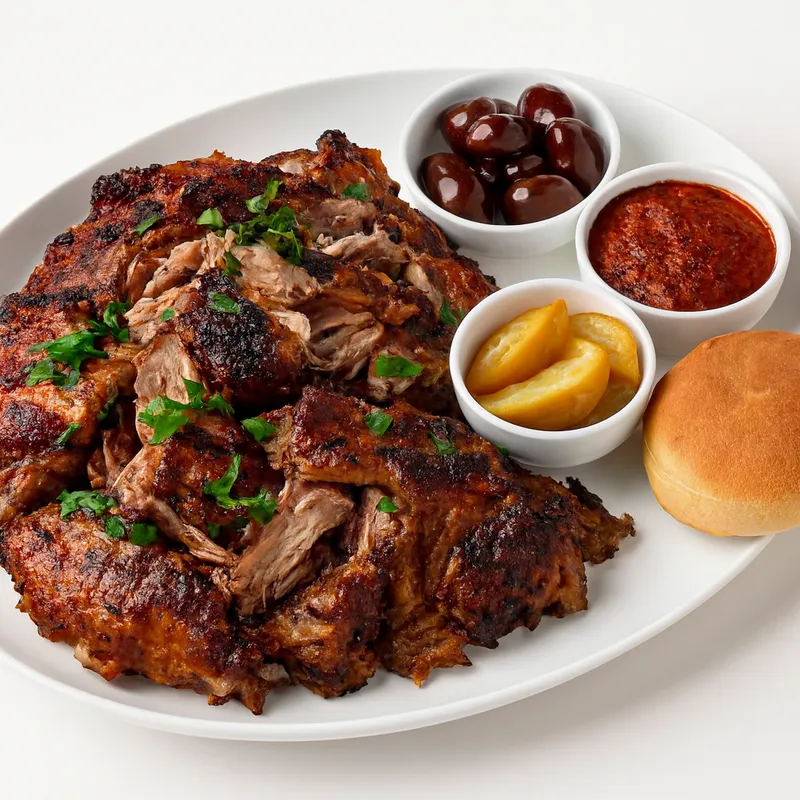
Whole lamb, roasted 4-6 hours over wood embers or in a buried pit, until the meat falls off the bone with a finger touch and the skin crisps to crackling. Seasoning is restrained — salt, cumin, sometimes garlic and butter rubbed under the skin. Carved at the table, served with bowls of cumin-salt for dipping each piece. No sauce. Eaten standing, with bread; the test is whether the shoulder pulls clean off the carcass with no carving knife needed.
The pit method is what gives mechoui its character: lambs hang on iron hooks above wood coals in a clay-lined underground chamber, sealed with a wet flour-and-cloth gasket. The chamber acts as a low-and-slow oven (around 130-150°C) and the moisture from the lamb itself self-bastes — no liquid added. Above-ground spit-roasting works but produces drier meat unless basted constantly. The cumin-salt dip isn't garnish; it's the only seasoning that survives the long slow cook without burning off.
Variations
Marrakech Djemaa el-Fna street stalls bury whole lambs at 5am for noon service; rural Eid al-Adha version goes spit-roasted over open coals; Tangier-Tetouan north uses kid goat (mechoui dyal el jdi) instead of lamb.
On the Palate
Where Mechoui sits in the Moroccan flavor cloud
Roast the lamb low and slow at around 130-150°C so its own fat and moisture self-baste the meat, because high dry heat drives the juices out and leaves it stringy.
Ingredients


How it's made
5 steps · 6 hours
- 118 min
Rub lamb with garlic, cumin, and paprika.
- 2216 min
Let the lamb marinate for a few hours.
- 318 min
Preheat the oven or prepare a spit for roasting.
- 490 min
Slow-roast the lamb, basting with butter occasionally.
Watch outBaste with butter each time the surface starts to look dry rather than glistening.
- 518 min
Cook until the meat is tender and the skin crisp.
Watch outIt is done when the meat pulls easily from the bone and the skin has crisped to a deep bronze.
Archive tool suggestions — not reviewed
These legacy suggestions have not been evidence-reviewed and are not presented as required tools.
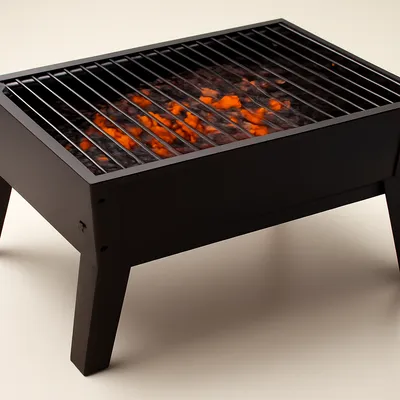
An open or hooded metal frame holding a bed of glowing charcoal embers, with a grate above. Charcoal burns at 700°C+ on the surface and emits short-wave infrared, which cooks proteins faster and with deeper Maillard browning than gas. Hardwood lump charcoal (oak, mesquite, fruitwood) lends its own smoke; cheap briquettes do not. Mastery is mostly heat zoning — direct over coals for searing, indirect off-coals for slow-roasting.

A pit oven dug into the ground, lined with porous lava rock, in which a wood fire is built and burned down to embers. Banana stalks and ti leaves are layered on top of the hot rocks, then a whole kalua pig (or other large protein) is wrapped in more leaves and lowered in; the whole pit is covered with wet burlap and earth and steams for 6-12 hours. The result has a smoky-sweet flavor no above-ground oven can replicate.