

Documented in Morocco since at least the 13th century under the Almohad caliphate, chebakia is the iftar pastry that breaks the fast alongside harira soup. The honey-and-sesame finish is North African Andalusi heritage — Sephardic Jews and Moriscos expelled from Spain after 1492 brought the same lattice-fritter technique to Tunisia and Algeria, where it survives as deblah.
Documented since the 13th-century Almohad caliphate as an iftar pastry eaten with harira to break Ramadan fast. After 1492 the Sephardic and Morisco expulsion carried the same lattice-fritter technique to Tunisia and Algeria, where it survives as deblah. Honey must be warm not boiling — boiled sugars taste like burnt caramel.
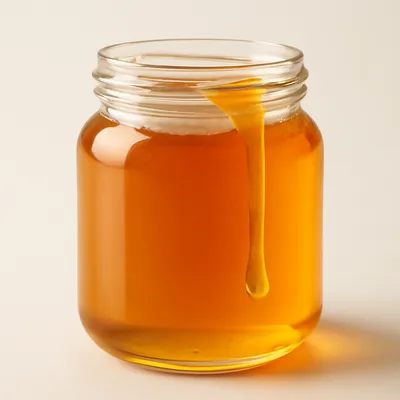
A flower-shaped fritter, deep-fried until mahogany, then dunked hot into warm honey scented with orange-blossom water and rolled in toasted sesame. The first bite cracks; inside, the dough is chewy and sticky from the honey it drank in the bath. Eaten with mint tea during Ramadan iftar — sweet enough that one is plenty, but nobody stops at one.
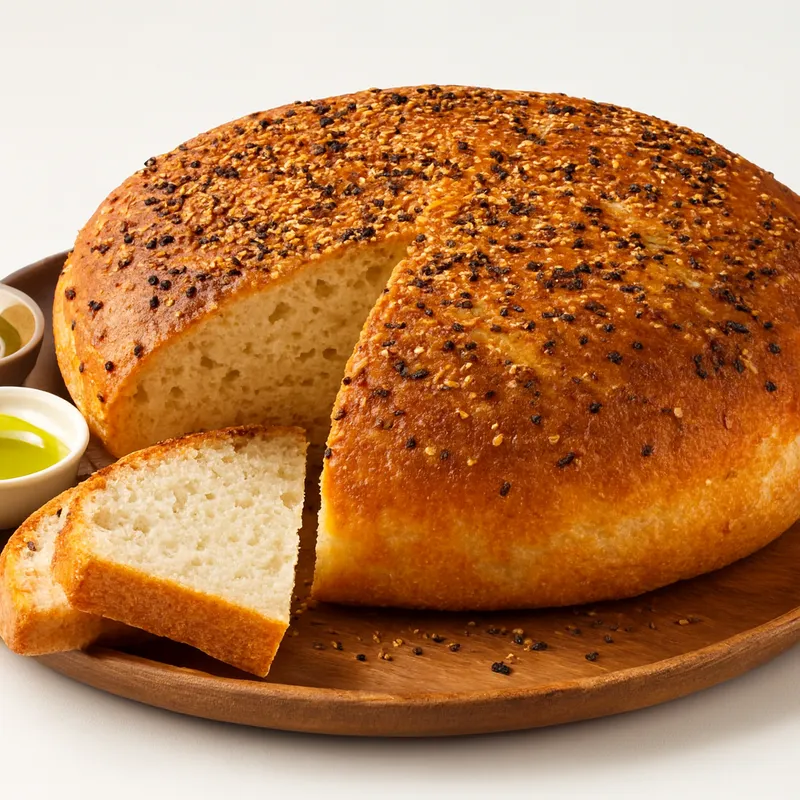
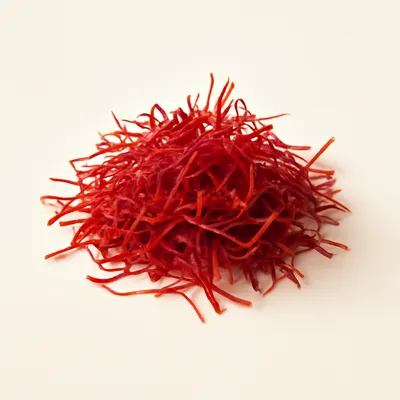
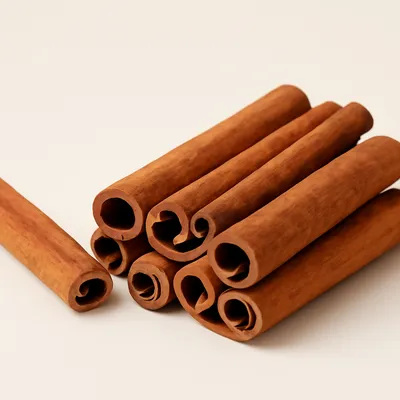
The dough holds anise, cinnamon, saffron, and a slug of orange-blossom water kneaded in cold; it must rest at least an hour before shaping. The shape is cut from a five-petal stamp and pinched closed at the center — fold it wrong and it unravels in the oil. Honey must be warm, not boiling; boiling burns the sugars and the pastry tastes like caramel candy instead of perfumed bread.
Variations
Fes home version uses a five-petal stamp pinched at the center; Algerian griwech goes longer and twisted into a rope; Tunisian deblah is the closest sister, also lattice-cut and honey-soaked.
On the Palate
Where Chebakia sits in the Moroccan flavor cloud
Ingredients

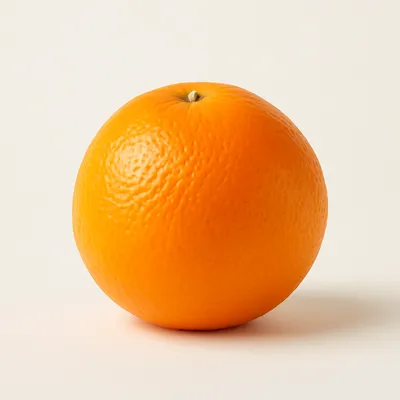
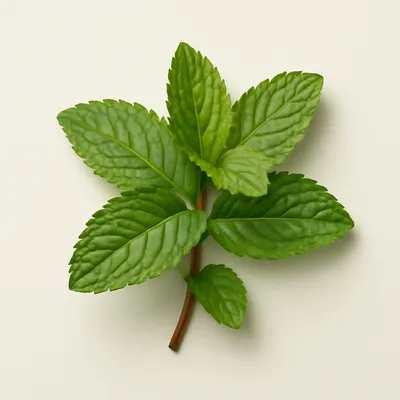
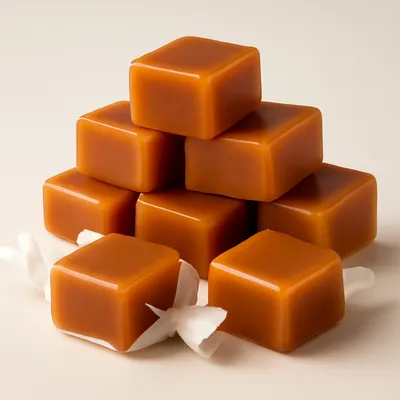
How it's made
5 steps · 3 hours
- 115 min
Mix flour with saffron, anise, and egg to form a dough.
Watch outKnead the anise-saffron dough while it's cold and let it rest at least an hour — warm or unrested dough tears when you cut the five-petal shape.
- 221 min
Roll out and cut into flower shapes.
- 341 min
Fry until golden brown.
Watch outFry to an even golden brown — pull them pale and they stay doughy; let them darken and the honey later tips into bitter.
- 477 min
Dip in warm honey and sprinkle with sesame seeds.
Watch outThe honey must be warm to the touch, never bubbling — boiling honey scorches the sugars and the pastry tastes like hard caramel instead of perfumed bread.
- 526 min
Let cool before serving.
Archive tool suggestions — not reviewed
These legacy suggestions have not been evidence-reviewed and are not presented as required tools.