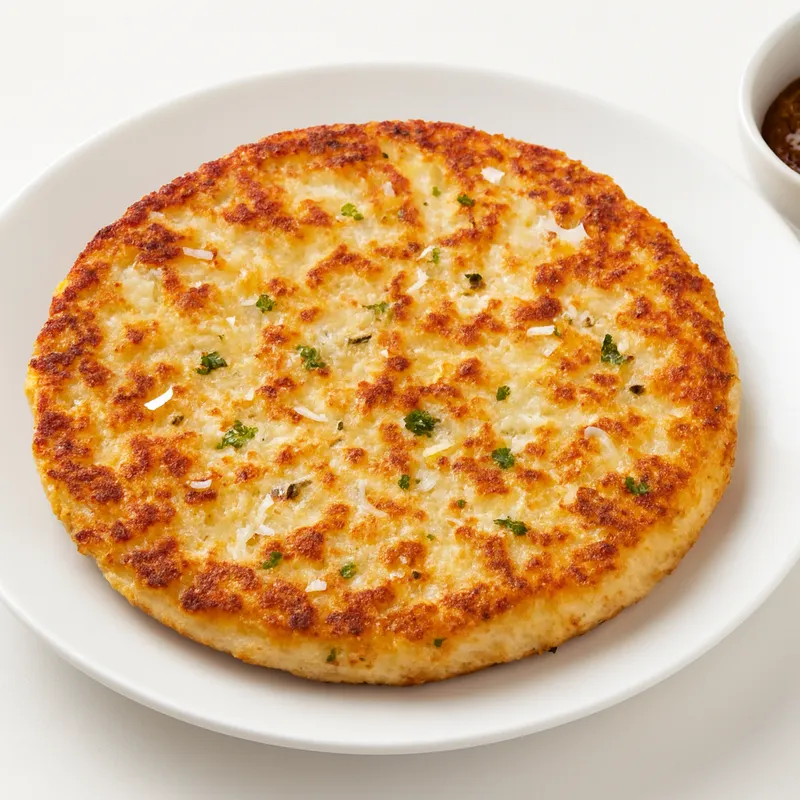
Hearty flatbreads speckled with shredded coconut and chilies, ideal for spicy curries.
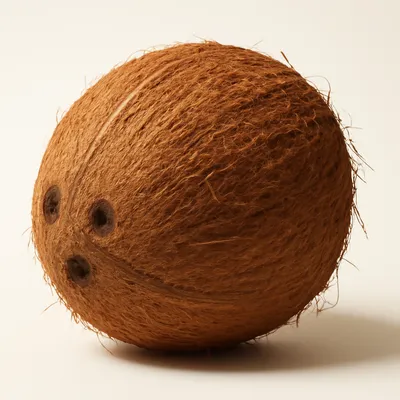



Pol roti is a rural Sri Lankan staple from the southern and central plantation regions, where coconut is cheaper and more available than wheat. Wheat itself only entered Sri Lankan home cooking in any volume in the late 19th century under British rule; the dish in its modern form likely dates from then. The Tamil version (thengai roti) uses similar technique with regional spice variation.
Pol roti — rural southern and central plantation staple, dating in modern form from late-19th-century British rule when wheat first entered home cooking in volume. Fresh grated coconut is load-bearing; desiccated yields a dry biscuit. Barely kneaded — gluten development turns it rubbery.
A thick, dense flatbread the size of a saucer, flecked white-and-green with shredded fresh coconut and chopped green chili. Cooked dry on a flat pan until the surface speckles brown. Texture is heavy, slightly crumbly — the coconut keeps it from going bready. Eaten torn by hand, dipped into lunu miris or coconut sambol; standalone with sweet tea also works. Breakfast or a tea-time snack.
Fresh grated coconut (not desiccated) is the load-bearing ingredient — it brings moisture and oil into the dough, which is why the recipe takes very little water and no fat. Desiccated coconut yields a dry, crumbly version closer to a biscuit. The dough is barely kneaded; over-kneading develops gluten and turns the roti chewy-rubbery rather than tender-crumbly.
Variations
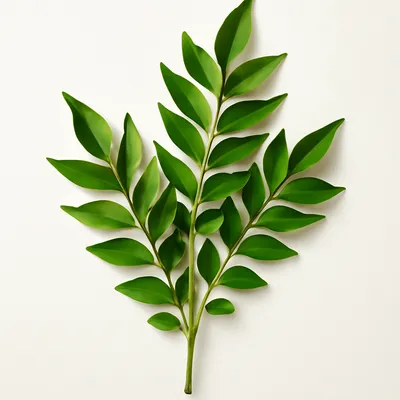
Sinhalese village pol roti (chili-onion in the dough); Tamil thengai roti (regional spice mix, often more cumin); Jaffna kool roti drier and harder; Burgher household versions add green chili and curry leaf, eaten with seeni sambol.
On the Palate
Where Coconut Roti sits in the Sri Lankan flavor cloud
Ingredients



How it's made
5 steps · 45 min
- 17 min
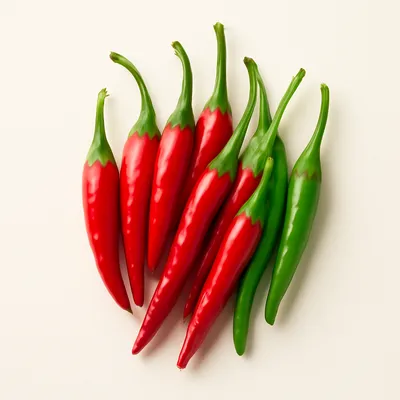
Mix wheat flour, shredded coconut, chopped onions, and chilies.
Watch outUse fresh grated coconut, not desiccated — its moisture and oil are what carry the dough, which is why you barely add water.
- 211 min
Add water to form a dough.
Watch outMix just until it comes together — barely knead; work it more and the gluten develops and the roti turns rubbery instead of tender.
- 311 min
Divide dough into balls and flatten each into a disc.
- 411 min
Cook on a hot griddle until both sides are golden.
Watch outCook on a properly hot griddle until brown spots freckle both sides — a cool pan just dries the disc out before it colors.
- 54 min
Serve hot with curry.
Archive tool suggestions — not reviewed
These legacy suggestions have not been evidence-reviewed and are not presented as required tools.