The Easter ring-biscuit of Molise, known in dialect as 'cullacc c l'ov.' A pale, friable, only faintly sweet ring made from a plain dough of flour, eggs, sugar and oil or lard, its lightness owed to an unusual double cooking: the rings are first boiled ('scaldati') in water like a bagel, rested overnight, then baked to a crisp, dry crumb. Traditionally scored around the top and often finished with a white anise-and-sugar glaze called 'naspro,' they are carried to the Easter table and passed between families as a good-luck gift. Related sweet taralli are baked across Puglia, Basilicata and Campania, but the eggy Molise version stands on its own.




Taralli descend from an old Mediterranean habit of twice-cooked breads, and the sweet egg taralli of Molise belong to the region's Easter baking, where the ring shape and the giving carry the season's sense of renewal. The anise note is a later evolution: the oldest recipes used no liquor at all, and the flavouring appears in the dough, the glaze, or both only in more recent versions. A sweet anise-and-sugar taralli is documented at Agnone, in the province of Isernia, in the 1972 Almanacco del Molise. Ring-biscuit variants are baked across Puglia, Basilicata and Campania as well.
A pale, dry biscuit that snaps cleanly and then turns friable and crumbly on the tongue, only lightly sweet. The white naspro glaze adds a brittle, sugary shell and a cool wash of anise that lingers after the crumb has dissolved.
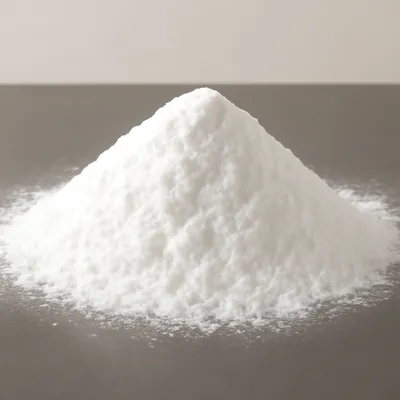
The double cooking is the key. A brief boil gelatinises the starch on the dough's surface, so a smooth skin forms that sets in the oven into a glossy, sealed crust; the overnight rest lets the interior dry out and the gluten relax. In the oven the low moisture and the eggs' proteins set a rigid, open crumb, while the sugar and fat keep the texture short and friable rather than bready. The naspro is simply sugar boiled with a little water to a syrup and beaten, sometimes with egg white, until it clouds and re-crystallises into an opaque white glaze as it dries.
Variations
Cooks split over the fat: extra-virgin olive oil for a lighter, everyday biscuit, lard for a richer, more festive one. The oldest versions carry no anise at all; later ones flavour the dough, the glaze, or both. Some are left plain and simply scored, others are thickly nasprati with the white glaze or scattered with coloured sugar for the Easter table. Related sweet taralli, larger or smaller, sweeter or barely so, are baked all through Puglia, Basilicata and Campania.
On the Palate
Where Taralli all'Uovo Molisani sits in the Italian flavor cloud
Ingredients
Serves 12How it's made
7 steps · 30 min
- 130 min
Work the flour, eggs, sugar and oil or lard, with a little anise liqueur if you like, into a firm, smooth dough; knead until elastic and rest it, covered, for 30 minutes.
- 220 min
Roll pieces of dough into thin ropes and pinch each into a closed ring about the size of a small bracelet.
- 315 min
Bring a wide pot of water to a gentle boil, drop the rings in a few at a time, and lift them out as soon as they float; drain on clean cloths.
Watch outLift each ring the instant it floats — that quick boil sets a smooth skin; leave them longer and the surface goes gummy and won't crisp.
- 4720 min
Score a shallow ring around the top of each and leave them uncovered to dry overnight.
Watch outLeave them uncovered to dry overnight before baking — a dried skin bakes into that glossy sealed crust; skip it and they bake pale and bready.
- 525 min
The next day, bake in a moderate oven, about 180℃, until pale gold, dry and crisp all through.
- 68 min
Boil the icing sugar with a little water and anise to a light syrup, then beat, adding egg white if you like, until it turns cloudy and white.
- 710 min
Dip or brush the tops with the warm naspro glaze and let it set to a matt shell before serving.
Archive tool suggestions — not reviewed
These legacy suggestions have not been evidence-reviewed and are not presented as required tools.


