


Babas au rhum were created in 18th-century Lunéville at the court of Stanislas Leszczynski, the deposed Polish king who became Duke of Lorraine in 1737. His pastry chef Nicolas Stohrer is credited with adapting a Polish kugelhopf — which the king found too dry — by soaking it in sweet wine, then later rum. Stohrer followed Stanislas's daughter Marie Leszczynska to Versailles and opened Pâtisserie Stohrer on Rue Montorgueil in Paris in 1730 (the oldest still-operating pâtisserie in France); the modern dark-rum version was popularised there in the 19th century.
18th-century Lunéville, court of Stanislas Leszczyński (deposed Polish king turned Duke of Lorraine in 1737). His chef Nicolas Stohrer adapted a Polish kugelhopf the king found too dry. Stohrer followed Marie Leszczyńska to Versailles and opened Pâtisserie Stohrer on Rue Montorgueil in 1730 — oldest still-operating pâtisserie in France. Hot syrup at 50°C; cold syrup only soaks the outer 5mm.
Cut into a baba and the cross-section is honeycomb soaked dark amber, glistening, almost translucent. The first bite is wet — sponge collapses, releasing rum syrup that runs down the spoon. Vanilla, citrus oils, then the warm spirit-burn of dark rum, then the bread's mild fermentation note underneath. Whipped cream cools each spoonful and prevents the syrup from feeling cloying. A baba that doesn't drip on the plate is under-soaked; one that falls apart is over-soaked.
The dryness of the baked baba and the warmth of the syrup are the two variables. A moist baba rejects syrup and gives a sticky dense bite; a baba dried for 6+ hours is structurally a sponge with maximum capillary uptake — pour syrup at 50°C and the cake doubles in weight in under 90 seconds. Cold syrup penetrates only the outer 5mm; hot syrup penetrates throughout. The yeasted dough (versus a chemical-leavened batter) is also load-bearing: the gluten network gives the wet baba enough strength to hold its shape on the plate after soaking.
Variations
Stohrer Paris (the unbroken lineage since 1730); savarin (ring-shaped sibling, served the same way); the Neapolitan babà (a Bourbon-court export from Lorraine to Naples in the 18th century, now Naples's own); Bocuse's flambéed tableside version.
On the Palate
Where Babas au Rhum sits in the French flavor cloud
Ingredients
Serves 6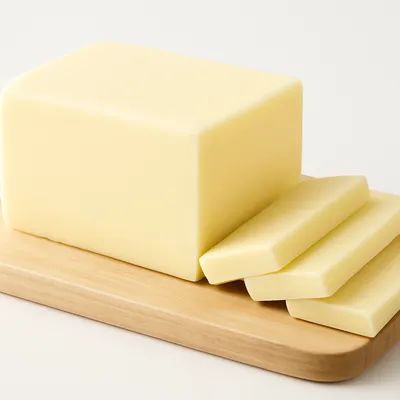



How it's made
5 steps · 40 min active + 3 hours 20 min waiting
- 118 min
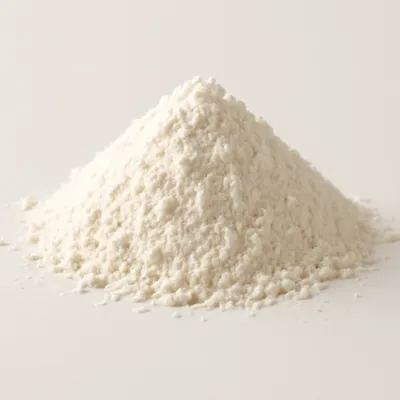
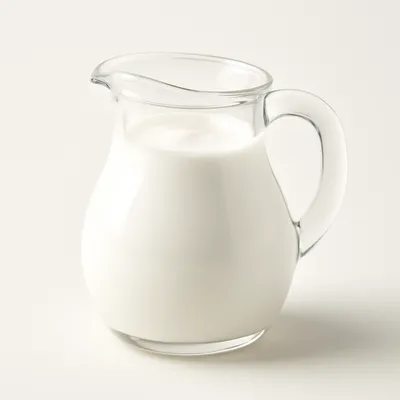
Stand mixer: combine 250g strong bread flour, 25g sugar, 5g salt, 8g instant yeast. Add 3 eggs and 60ml warm milk. Knead 8 minutes on medium until elastic. With motor running, add 80g soft butter in chunks; knead another 6 minutes until silky and pulling from the bowl.
Watch outAdd the butter only after the dough is already elastic, then knead until it turns silky and peels off the bowl — that clean pull-away is your signal it's ready.
- 260 min
Pipe or scoop dough into 6 buttered baba moulds (small dariole or savarin moulds), filling 1/3. Cover and proof at 25°C for 60 minutes — dough rises to fill the mould.
- 325 min
Bake 180°C for 20 minutes — dark gold and dry; an inserted skewer comes out clean and the babas should sound hollow tapped. Tip out onto a rack and cool fully. The drier they are now, the more syrup they soak — old Lunéville pastry chefs even left them out overnight.
Watch outBake them properly dark and dry — a skewer comes out clean and they sound hollow when tapped; the drier the baba, the more syrup it drinks.
- 410 min
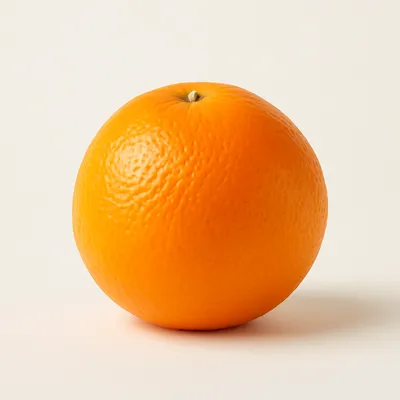
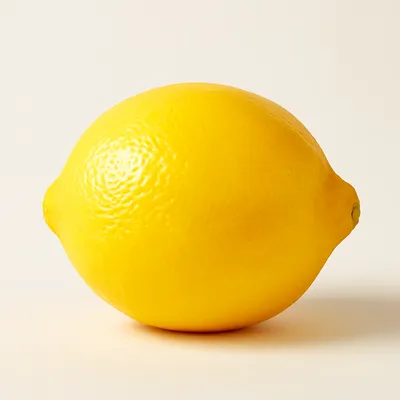
Make syrup: 500ml water, 250g sugar, zest of 1 orange and 1 lemon, 1 split vanilla bean. Boil 5 minutes, off heat, add 150ml dark rum (Negrita, El Dorado, or Saint James). Keep warm at 50°C — cold syrup soaks slower and unevenly.
Watch outEnsure syrup is warm at 50°C for optimal soaking.
- 512 min
Submerge each cooled baba in warm syrup 60 seconds, lift, press lightly with a slotted spoon — should be sodden but holding shape. Drain on rack. Brush hot apricot jam glaze over the tops. Serve in shallow bowls with a 30ml splash of extra rum, a dollop of crème Chantilly, and the saved vanilla pod alongside.
Watch outHold the baba under warm syrup a full minute until it's sodden but still holds shape — press with a slotted spoon and it should drip, not fall apart.
Archive tool suggestions — not reviewed
These legacy suggestions have not been evidence-reviewed and are not presented as required tools.