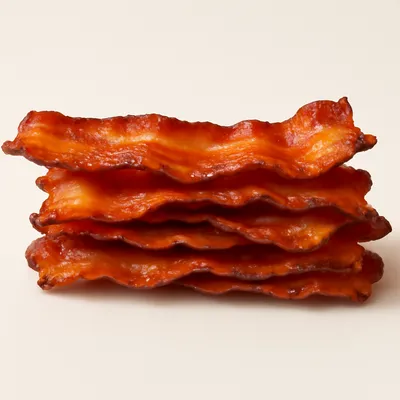
La Cerdanya winter dish of mashed savoy cabbage and potato shaped into a cake, fried in pork fat with garlic and topped with crisp bacon (cansalada).




Trinxat is the winter dish of La Cerdanya, the high valley straddling the Spanish-French Pyrenees border at 1200m altitude. Cabbage and potato survive the long mountain winter; the dish recycles boiled vegetables from the day before with rendered pork fat and cured belly from the matança (winter pig slaughter). The name comes from the Catalan verb trinxar — to chop, to mash. February-March is peak season, when the cabbage has been frost-touched and tastes sweetest.
Cerdanya winter dish at 1200m altitude on the Spanish-French border. Frost-touched savoy converts starches to sugar — winter trinxat is sweeter than the summer version. Pan goes hot (~190°C) in pork fat; butter would burn.
A pale-green wedge with a deep-mahogany crust on both faces, the bacon glittering on top in glassy chips. Inside, the texture is rough — short cabbage shreds suspended in lightly mashed potato, garlic perfume threaded through. The crust shatters; the inside is creamy-soft and emphatically savoury from the rendered pork fat. A trinxat without crust is a failure — the dish exists for that contrast.
Two crusts and one wet interior — that's the architecture. The pan must be hotter than for a tortilla (medium-high, ~190°C) because the goal is browning, not custardy egg-set. Pork fat smokes around 180°C and is the right medium; butter would burn. Frost-kissed savoy is non-negotiable in the original — frost converts cabbage starches to sugars, which is why winter trinxat tastes sweeter than the summer version most people first try.
Variations
La Cerdanya original uses cabbage-and-potato with cansalada; Andorran side adds garlic confit; Berguedà cooks fold in trumpet mushrooms; modern Puigcerdà restaurants top with a fried egg.
On the Palate
Where Trinxat sits in the Spanish flavor cloud
Ingredients
Serves 4How it's made
6 steps · 15 min
- 128 min
Quarter and core 1 large savoy cabbage (about 800g). Peel and cube 600g floury potatoes. Drop both into a pot of well-salted boiling water. Boil 25 minutes until potato pierces easily and cabbage is fully soft.
Watch outCabbage must be softer than al dente — almost falling apart. Undercooked cabbage gives a stringy trinxat that won't hold shape.
- 25 min
Drain thoroughly in a colander. Press with the back of a wooden spoon to expel water — at least 2 minutes of pressing. Wet cabbage equals soggy trinxat.
Watch outIf you can squeeze any liquid out, keep pressing. The mixture should look almost dry.
- 33 min
Tip drained mix into a bowl. Mash coarsely with a fork — you want texture, not purée. Season with plenty of salt and black pepper.
Watch out「Trinxar」 means to chop/mash roughly — visible cabbage shreds and potato lumps are the texture you want.
- 46 min
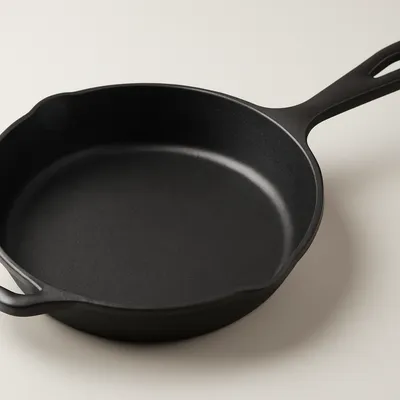
Slice 150g cansalada (cured pork belly) or thick bacon into lardons. Render in a 26cm cast-iron pan over medium heat 6 minutes until crisp. Lift out lardons; reserve. Leave the rendered fat in the pan.
Watch outThe rendered fat is the cooking medium — there should be 3-4 tbsp pooled. Top up with lard or olive oil if shy.
- 57 min
Add 4 sliced garlic cloves to the hot fat, sizzle 30 seconds. Tip the cabbage-potato mash in, press into a flat 2cm-thick cake covering the pan base. Cook undisturbed 6 minutes over medium heat — base develops a deep-gold crust.
Watch outDon't stir — the still surface is what builds the crust. Listen for a steady sizzle, not a roar.
- 66 min
Flip the trinxat: slide onto a plate, invert pan over plate, then flip together (the tortilla move). Cook 5 minutes more. Slide out; top with the reserved lardons. Cut in wedges; serve hot.
Watch outIf your trinxat is crumbly, the cabbage was too wet — next time press harder before mashing.
Archive tool suggestions — not reviewed
These legacy suggestions have not been evidence-reviewed and are not presented as required tools.