
Ternasco — from ternero, «young one» — refers specifically to Aragonese lamb of the Rasa Aragonesa, Ojinegra, or Roya Bilbilitana breeds, slaughtered at 70-90 days under 12kg live weight. In 1989 it became the first fresh meat in Spain to earn an official quality mark (a Spanish Denominación Específica); the EU-level Protected Geographical Indication (IGP) followed in 1996. The roasting tradition is Pyrenean shepherd cuisine — lamb cooked whole or in quarters in wood-fired bread ovens after the day's bake, when the masonry was still holding 160-180°C. Home ovens approximate this; the principle is unchanged.
First Spanish lamb IGP, granted 1989. Specifically Aragonese Rasa, Ojinegra, or Roya Bilbilitana breeds, slaughtered at 70-90 days under 12kg. Milk-fed lamb cooks pale pink at 65°C; past 70°C it drops to grey within minutes. Lard, not olive oil — higher smoke point and tastes like the animal.
Skin shatters like glass under the knife — paper-thin and rosemary-perfumed — then yields to flesh that's pale pink, soft as butter, and sweet rather than gamy (the milk-fed marker). Each potato disc has absorbed lamb fat and white wine into its underside, gone caramel-edged on top. The jus is barely a tablespoon per portion but it's the whole rendered animal in concentrate. If the meat is grey through, the lamb wasn't a real ternasco or the oven was too hot.
Milk-fed lamb has high intramuscular fat (~5%) and low myoglobin, so it cooks pale pink at 65°C — overcooking past 70°C drops it to grey and dry within minutes. The two-stage roast (160°C low-and-slow, then 220°C high-blast) is the Aragonese trick: the long phase renders fat and bastes potato, the short phase crisps skin without overcooking interior. Lard, not olive oil, is canonical — it has a higher smoke point and tastes like the animal, doubling down rather than competing.
Variations
Casa Lac in Zaragoza runs the IGP-canonical version; Huesca mountain villages quarter the lamb and roast in the bread oven post-bake; some Teruel restaurants present it bone-in over potato, others as the lechazo-style standalone shoulder.
On the Palate
Where Ternasco Asado sits in the Spanish flavor cloud
Ingredients
Serves 4







How it's made
6 steps · 25 min active + 2 hours 5 min waiting
- 160 min
Take 1.5kg ternasco shoulder or leg (bone-in) out of the fridge 1 hour before cooking. Dry the surface with paper towels — wet meat steams instead of browning.
Watch outThe surface must be patted bone-dry; any moisture left will steam and block browning.
- 28 min
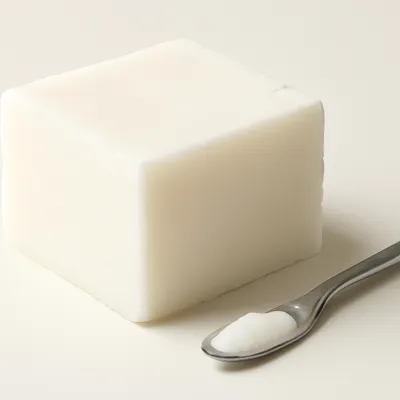
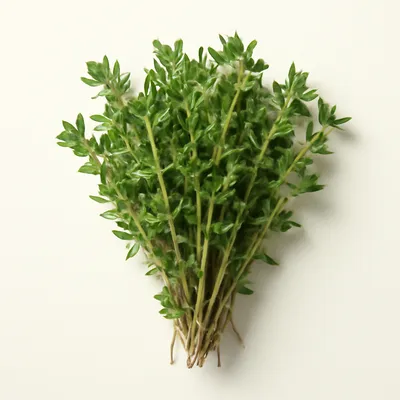
Make a paste: 6 garlic cloves crushed with 1 tbsp coarse salt, 1 tbsp pork lard, 1 tsp dried thyme, 2 sprigs rosemary leaves chopped, ½ tsp black pepper. Rub it all over the lamb, working into any score marks.
- 35 min
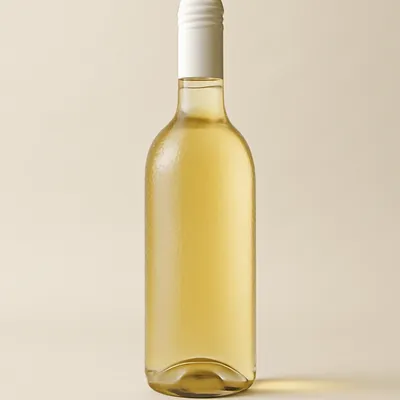
Preheat oven to 160°C convection. Lay the lamb fat-side up in a heavy roasting pan over a bed of 800g potatoes peeled and cut into 2cm rounds. Pour 200ml dry white wine and 100ml water around (not over) the meat.
- 475 min
Roast 75 minutes at 160°C, basting every 20 minutes with the pan juices. The lamb fat renders down and bastes the potatoes; the wine reduces into a thin amber jus. Internal temperature should hit 65°C at the bone.
Watch outBaste every 20 minutes with the pan juices; the rendered lamb fat is what crisps and flavors the potatoes.
- 515 min
Crank oven to 220°C convection. Roast a final 15 minutes uncovered to crisp the skin. The fat cap should turn deep mahogany and crackling-crisp; potatoes are golden-edged.
Watch outIn the high-heat stage watch for a deep mahogany, crackling-crisp fat cap — that's the finish, don't walk away.
- 610 min
Rest the lamb 10 minutes on a board before carving. Spoon pan jus over each portion. Traditional accompaniment: the potatoes from the same pan and a green salad with sherry vinegar.
Watch outRest it a full 10 minutes before carving so the juices settle back into the meat.
Archive tool suggestions — not reviewed
These legacy suggestions have not been evidence-reviewed and are not presented as required tools.


