
Apulian little-bomb rolls — thin slices of pork capocollo wrapped around a chunk of melting caciocavallo cheese, threaded on skewers, grilled over wood or coals until the cheese explodes through the meat like a small bomb of cheese-and-pork.
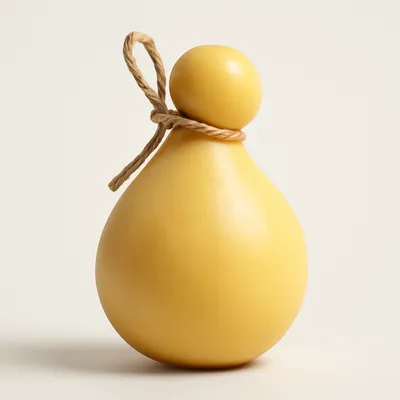





Bombette are the signature meat dish of the Itria Valley (Valle d'Itria) in central Puglia — specifically Cisternino, Martina Franca, and Locorotondo. They are a butcher's specialty: every macelleria in the valley sells fresh bombette skewered and ready to grill, and most have a wood-fired grill on premises (called fornello pronto, 'ready-fire'). You buy them raw, ask the butcher to grill them on the spot, and eat them at counter tables with bread and wine. The name 'bombette' ('little bombs') refers to the cheese explosion when bitten — the molten caciocavallo erupts through the seared meat wrap. The dish is recent — invented around 1980 in a Martina Franca butcher shop (by butcher Ninuccio Lasorte, after his wife Maria Giliberti first grilled horse-meat rolls that he reworked with tender capocollo) but has become the most-Instagrammed Apulian food. Cisternino's main street has 6 macellerie-grills in 200 meters, each making its own bombette.
Pull a bombetta off the skewer and the smell hits first — wood smoke + pork + melting cheese. Bite through the seared meat wrap and the cheese erupts: a stream of hot molten caciocavallo flooding your mouth, followed by the salty-fatty pork, followed by the parsley-pancetta filling if used. It is impossibly rich and impossibly satisfying. Two bombette is one course; four is dinner; eight is heroic. Always eat outdoors at a Cisternino macelleria-grill counter, with focaccia, with red wine, with friends — the dish is incomplete in a fine-dining setting.
Capocollo's high fat content (30%) is essential — it bastes the cheese from outside as it renders, preventing the meat from drying out and ensuring the cheese melts without burning. The thin slice (4mm) lets the meat sear quickly before the cheese liquefies fully and leaks. Caciocavallo's high melting point and low moisture allow it to stay contained inside until the bite breaks the seal; lower-temp-melting cheeses (mozzarella) would all leak out during cooking. Flat skewers prevent the rolls from rolling on the grill, ensuring all four sides char evenly. Wood-fire grilling adds smoke aroma; charcoal works but indoor grills lack the smoke.
Variations
Cisternino canonical uses capocollo + caciocavallo + optional pancetta-parsley layer; Martina Franca variant adds prosciutto inside; Locorotondo version sometimes uses scamorza affumicata (smoked) for extra smokiness; modern restaurants serve bombette as a starter (2 per portion); commercial frozen bombette sold in supermarkets are an pale imitation; vegetarian 'bombette' with eggplant wrap and cheese are a separate dish entirely; the cheese-leak rate at home is much higher than at a butcher-grill — practice helps.
On the Palate
Where Bombette Pugliesi sits in the Italian flavor cloud
Ingredients
Serves 4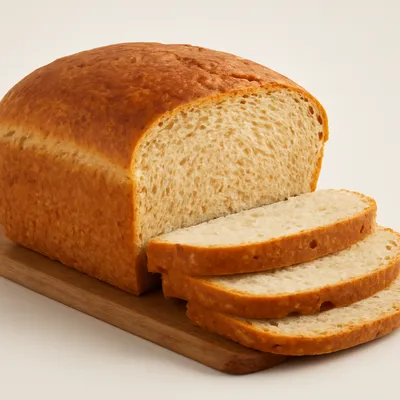
How it's made
8 steps · 35 min active + 25 min waiting
- 15 min
Have a butcher slice 600g pork capocollo (pork neck/shoulder roll) into 16 thin slices (about 4mm thick, 8x10cm rectangles). Lay slices flat on parchment.
- 25 min
Cut 200g semi-aged caciocavallo cheese (or scamorza, or low-moisture mozzarella) into 16 chunks (about 12g each, 1.5cm cubes).
- 35 min
Optional flavor boost — Cisternino style: chop 8 slices pancetta finely; mix with 2 tbsp parsley + 1 minced garlic clove + black pepper. Spread a thin layer on each capocollo slice.
- 410 min
Place a cheese cube at one end of each capocollo slice. Roll up tightly, tucking the sides in to fully enclose the cheese. Press to seal — if the cheese is exposed it will leak out during grilling.
Watch outRoll tight and tuck the sides in so no cheese shows — any exposed edge and the cheese bleeds out onto the grill instead of staying molten inside.
- 55 min
Skewer the bombette: thread 4 rolls per skewer (use long flat wooden or metal skewers — flat shape prevents rolls from spinning). Should make 4 skewers from 16 rolls.
- 610 min
Build a hot wood fire or charcoal fire; coals should glow red-orange with white ash. Place a grill grate 20cm above coals. Salt the bombette lightly all over.
- 714 min
Grill bombette: 4 min per side, total 12-16 min (4 sides on flat skewers), turning to brown all surfaces evenly. The capocollo will render fat, the exterior will char in places, the cheese inside should be melted but contained (if cheese starts erupting before plating, take them off).
Watch outTurn all four sides over the coals until the pork chars in spots and renders its fat — inside, the cheese should be melted but still sealed; if it starts bursting out, pull them off.
- 86 min
Serve immediately, skewers and all, on a wooden board with crusty bread (focaccia barese ideal), grilled vegetables (peperoncini cruschi or grilled radicchio), and a glass of Primitivo or Negroamaro. Eat directly off skewer; the first bite should crack the seared meat and release a stream of molten caciocavallo.
Archive tool suggestions — not reviewed
These legacy suggestions have not been evidence-reviewed and are not presented as required tools.


