
Umbrian whole-roasted boned pig — deboned suckling pig or pork belly-loin combo rubbed inside with rosemary, fennel pollen, garlic, and salt, rolled tight and roasted slowly until the skin crackles to glassy crispness and the meat is fall-apart-tender.

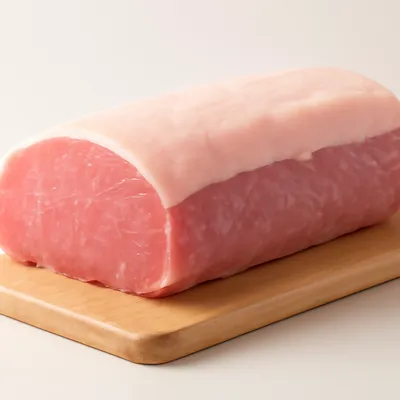



Porchetta originated in Umbria around the towns of Costano and Bevagna, where local porchettari (porchetta makers) supplied roasted whole pigs to feast days and fairs. Though Lazio also claims porchetta, Umbria has the older tradition — references date to ancient Roman colonies in Umbria. The Umbrian style uses fennel pollen (a rare and pungent spice harvested from wild fennel flowers in the Umbrian hills), distinguishing it from the Lazio version which uses only ground fennel seed. The pig is deboned, the cavity rubbed with herbs and garlic, then rolled around the loin and skin and tied tight before slow-roasting on a wood-fired spit or in a deck oven. Sold by the etto (100g) from countertop trucks at every Umbrian market and fair.
A porchetta panino is the test: bite through the bread, hit a slab of glassy crackling, then the warm fatty meat, the herbs hitting your tongue all at once — fennel pollen has a citrus-anise-something-electric quality unlike any other spice. The skin is the prize: thin, golden-brown, glass-shard crisp, salt-cured, with a thin layer of melted fat just below. The loin is silver-pink, tender enough to break with the bread. No mustard, no greens, no condiment — porchetta is too well-seasoned to need help. Eat standing at a market truck on a cold morning with a paper napkin.
Three things make porchetta skin glass-crackle: (1) piercing the skin lets subcutaneous fat render outward instead of pooling under; (2) overnight salt-dry pulls moisture out of the skin so the high-heat blast crisps rather than steams; (3) the high-low temperature schedule (230°C blast then 140°C low-and-slow) blisters the skin then renders fat slowly without burning. Fennel pollen contains anethole and limonene volatiles that distinguish it sharply from ground fennel seed — the pollen has 5x the aromatic intensity. Internal temp of 88°C is high (most pork is cooked to 63°C) — but porchetta needs it for the collagen-tender slumped texture.
Variations
Umbrian canonical uses fennel pollen and emphasizes herbs; Lazio variant uses ground fennel seed only and is more meat-centric (Ariccia just outside Rome holds an EU IGP (Protected Geographical Indication), granted in 2011); commercial porchetta sold at delis is often a pre-cooked product reheated (texture suffers); modern restaurants serve a 'Porchetta Tonnata' (porchetta cold with tuna sauce, like vitello tonnato); roadside truck porchetta in Umbria is closer to the canonical than restaurant porchetta in Rome.
On the Palate
Where Porchetta sits in the Italian flavor cloud
Ingredients
Serves 12


How it's made
6 steps · 2 hours active + 8 hours waiting
- 115 min
Order from a butcher 1 boned suckling pig (5kg) OR 2kg pork belly (skin-on) + 1.5kg pork loin (with belly attached if possible). The belly-loin should be one connected piece if buying alternative version.
- 225 min
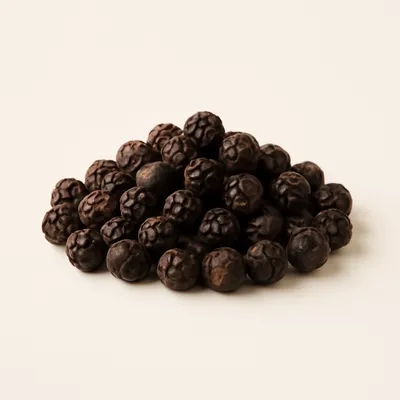
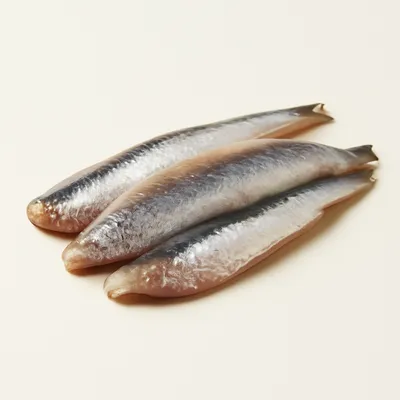
Day before — herb rub: in a mortar, pound 6 tbsp fennel pollen + 4 tbsp fresh rosemary (chopped) + 3 tbsp ground black pepper + 2 tbsp coarse salt + 1 tbsp ground fennel seed + 8 minced garlic cloves + 4 anchovy fillets + 4 tbsp olive oil into a paste.
- 330 min
Lay the boned pig (or belly-loin combo) skin-side down on a board, flesh up. Score the meat shallowly to help the rub penetrate. Spread the herb paste evenly over the inside flesh, getting into every fold and cavity. Roll tightly into a log (with loin in the center if using belly-loin), tucking ends. Tie with butcher's twine at 5cm intervals.
- 420 min
Pierce skin all over with a sharp knife or needle (this allows fat to render and skin to crackle). Salt the skin generously with coarse salt and let dry uncovered in refrigerator overnight (essential for skin crackling).
Watch outThe skin is ready to roast when it feels dry and taut to the touch after the overnight rest, not tacky.
- 5270 min
Day-of: preheat oven to 230°C / 450°F. Place porchetta on a wire rack over a roasting pan. Roast at 230°C for 30 min to blister the skin. Reduce to 140°C / 285°F and roast 3.5-4 hours, until internal temperature is 88°C / 190°F (use a meat thermometer in the loin center). Rest 30 min before carving.
Watch outWatch the skin blister and bubble during the 230°C blast, then drop the heat before it scorches.
- 640 min
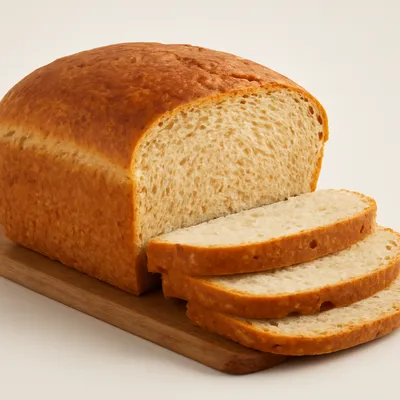
Carve: with a serrated knife, cut crosswise through skin and meat into 1.5cm-thick slices. Serve in a panino (Umbrian bread cut open, a slice of porchetta inserted, no other condiment), with the skin's crackle on top. Or plate slices with arugula salad and lemon.
Watch outCarve only after a 30 min rest, so the juices settle and the slices don't fall apart.
Archive tool suggestions — not reviewed
These legacy suggestions have not been evidence-reviewed and are not presented as required tools.


