
A northern Chilean Andean stew — pork, lamb, chicken, llama or guanaco simmered with potatoes and corn, with a hot stone dropped in at the table for a dramatic finishing heat. The Aymara-Andean signature dish of the Atacama and altiplano.



Calapurca is a pre-Columbian dish shared across the Andean cultural area — northern Chile, Bolivia and northwest Argentina — and is especially celebrated around Potosí in Bolivia; in Chile it belongs to the Aymara of the far-northern highlands (Arica y Parinacota, Tarapacá, Antofagasta). The name is Aymara — 'qala' (stone) + 'phurk'a' (to roast in embers) — meaning a soup cooked with hot stones; the linguist Rodolfo Cerrón-Palomino supports this Aymara origin, and the same idea appears as 'kalapurka' in Quechua and 'kalapari' in Aymara for 'hot stone.' Stone-boiling here is very old: before pottery existed, Andean peoples dropped fire-heated stones into leather bags and gourds to heat food, a technique reaching back to the pre-ceramic Archaic period; the 17th-century Spanish chronicler Bernabé Cobo recorded the practice with guinea pig. Today the dish survives through the mestizo culture of the north as a heritage of stone cookery, eaten both daily and at festivals.
Spoon a chunk of meat from the broth — the just-added stone is still radiating heat, having brought the whole pot back to a boil. Long-simmered llama, dried into charque, gives an earthy, iron depth; the corn mote breaks down starchy and thick; colored ají adds a smoky-sweet warmth. Andean Aymara cooking, fixed by ritual.
The trick is not to reheat the bowl but to put the heat source inside it. The volcanic stone is first heated red-hot in the embers — stones used for stone-boiling can reach around 500 °C — and once dropped into the soup it releases its large stored heat from the inside out within seconds, flashing the surrounding broth to a boil and raising bubbles: in effect a reverse hot-pot, the heat radiating from the center outward rather than rising from a pot bottom. Stone choice matters: dense, refractory volcanic rock (such as basalt or andesite) or river cobbles are used because they hold a lot of heat, warm evenly and resist cracking through repeated firings; limestone or stones of unknown origin are strictly avoided, as they can explode or release harmful substances when heated. The hiss-and-boil as the stone hits the bowl announces to diners that the soup is fresh and scalding (theater), while its residual heat keeps the broth hot through the meal and extends the eating window. For pre-Columbian Aymara people, the gesture continued an ancient stone-cooking craft and expressed hospitality.
Variations
Calapurca Llamera (with llama meat). Calapurca Aymara (most traditional). Calapurca Festiva (festival, with more meat). Calapurca Argentina (border version).
On the Palate
Where Calapurca sits in the Chilean flavor cloud
Ingredients
Serves 6



How it's made
8 steps · 1 hour active + 2 hours waiting
- 110 min
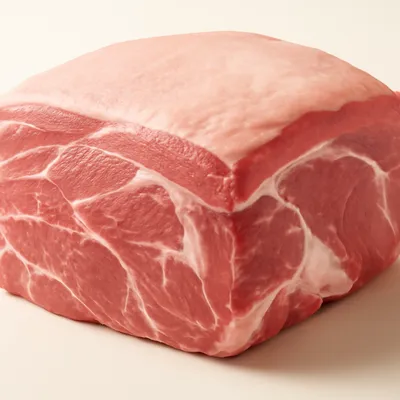
Brown 500g pork shoulder, 500g lamb, 4 chicken thighs in 2 tbsp oil in a heavy pot.
- 25 min
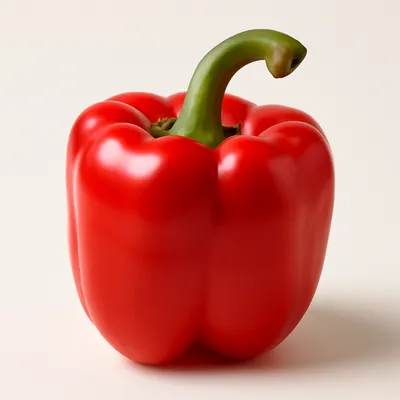
Add 2 chopped onions, 6 garlic, 1 chopped bell pepper, 1 tsp paprika, 1 tsp cumin, 1 tsp aji panca paste.
- 395 min
Pour in 3 L water; add 2 bay leaves, salt. Simmer covered 90 min.
Watch outAfter 90 minutes the meats should shred easily and the broth taste round and savory before the starches go in.
- 432 min
Add 4 chopped potatoes, 2 corn cobs (cut in 3), 1 cup ground corn meal (mote). Simmer 30 min.
- 55 min
Add 1 cup llama or beef jerky (charque, rehydrated and shredded).
- 630 min
Heat a clean smooth river stone in a small kiln/oven to 500°C (or 600°C if using actual stone).
Watch outThe stone is ready when it glows red-orange in the fire — dull gray means it's not hot enough yet.
- 72 min
At the table, ladle stew into a clay pot; carefully drop the red-hot stone into the pot — it will hiss and boil violently. This is the visual moment.
Watch outThe instant the stone hits the broth it should hiss loud and boil up violently — that burst is the whole point.
- 81 min
Stir to distribute heat; serve immediately with bread and red wine.
Archive tool suggestions — not reviewed
These legacy suggestions have not been evidence-reviewed and are not presented as required tools.


