
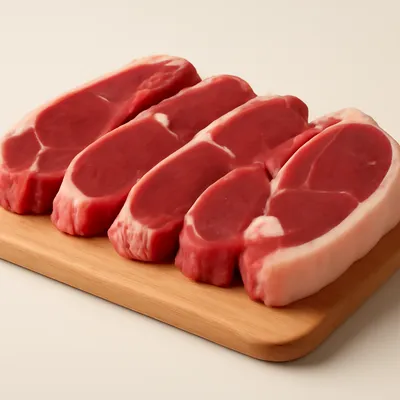
Kola Urundai is a Chettinad meatball — kola meaning ball-shaped, urundai a round dumpling — of finely minced goat mutton bound with roasted gram, coconut and a freshly ground pepper-fennel masala, rolled small and deep-fried until dark and firm. The mince is pounded almost to a paste with raw rice or roasted gram so the balls hold together without egg and stay dense rather than crumbly. They emerge crackling and browned outside, dense and intensely spiced within, smelling of fennel and curry leaf. Served as a feast-day starter with a squeeze of lime, or dropped into a thin pepper gravy as kola urundai kuzhambu.



Kola urundai is a fixture of Chettinad feast and festival cooking among the Nattukottai Chettiar (Nakarattar) community of Tamil Nadu, a mercantile and banking caste whose 19th- and early-20th-century trade across Burma, Ceylon and Malaya built a famously spice-heavy regional cuisine. Spiced fried meatballs of this kind, bound with pulses and coconut, appear across South Indian and Sri Lankan Tamil cooking; the Chettinad version is distinguished by its freshly roasted pepper-and-fennel masala and the binding with roasted gram or pounded raw rice in place of egg. As a community festive preparation it carries no single recorded inventor or date. The dish is closely related to the Sri Lankan Tamil kool urundai and to the broader family of South Asian kofta, but its pepper-forward seasoning is distinctly Chettinad.
Each ball is the size of a small lime, dark brown and craggy outside, dense and meaty within with no soft center. The crust crackles, then gives to a firm, close-grained mince that tastes first of black pepper and toasted fennel, with curry leaf, ginger and a low hum of chili behind. Roasted gram and coconut keep the texture springy rather than dry, and the spices read as roasted and rounded, not raw. Eaten hot with a squeeze of lime, they are savory, peppery and faintly sweet from the coconut, satisfying in the way of a well-spiced sausage.
The structure depends on pounding and on a starchy binder. Minced mutton is pounded or processed with soaked raw rice (or roasted gram flour) until the meat proteins and starch form a cohesive, slightly tacky paste — this is what lets the balls hold their shape and fry without falling apart or needing egg. The masala spices are dry-roasted before grinding so their aroma is deepened by Maillard browning rather than tasting raw. Frying is done at a moderate temperature: too hot and the outside darkens before the dense interior cooks through; the balls are turned until evenly browned and cooked to the center. Roasted coconut adds fat and a sweet note that balances the pepper, and a brief rest firms them as they cool.
Variations
A vegetarian kola urundai uses channa dal or soaked lentils in place of meat, the same masala carrying the flavor — common in Chettiar temple and fasting cooking. Beef, chicken or fish mince can replace mutton. The fried balls are often simmered in a thin tamarind-and-pepper gravy as kola urundai kuzhambu, where they soak up the sauce. Sri Lankan Tamil cooks make a closely related kool/kola urundai, sometimes steaming rather than frying; some households add a beaten egg for a lighter, softer ball.
On the Palate
Where Kola Urundai sits in the Indian flavor cloud
Ingredients
Serves 5


How it's made
10 steps · 35 min
- 120 min
Soak 2 tablespoons raw rice (or use roasted gram) for 20 minutes, then drain.
- 28 min
Dry-roast peppercorns, fennel, dried red chili and a little coriander to their toast points; cool and grind.
- 310 min
Grind 500 g minced mutton with the soaked rice, grated coconut, ginger, garlic and the roasted masala to a sticky, cohesive paste; season with salt.
Watch outGrind the mutton with the soaked rice until it turns sticky and cohesive — the starch and meat proteins bind so the balls hold and fry without falling apart or needing egg.
- 45 min
Mix in finely chopped shallots, curry leaves and chopped coriander leaf.
- 510 min
Wet your palms and roll the mixture into small, tight balls a little larger than a lime.
- 610 min
Rest the balls 10 minutes so they firm up and the binder hydrates.
- 75 min
Heat oil to a moderate frying temperature.
- 812 min
Lower the balls in batches and fry, turning, until dark brown and cooked through to the center.
Watch outFry at a moderate temperature, turning until dark brown and cooked to the centre — too hot and the outside blackens before the dense middle is done.
- 95 min
Drain on a rack; the balls firm further as they cool.
- 103 min
Serve hot with lime wedges, or simmer in a thin pepper-tamarind gravy for kola urundai kuzhambu.
Archive tool suggestions — not reviewed
These legacy suggestions have not been evidence-reviewed and are not presented as required tools.


