


A Moroccan and Algerian celebration dish — weddings, baby naming (sebaa), Mawlid — descended from medieval Maghrebi sweet-couscous traditions documented in the 13th-century Hispano-Muslim cookbook Kitab al-Tabikh. The sweet version predates the savory tagine pairing most Westerners associate with couscous; couscous itself was originally as much dessert as staple.
A Maghrebi feast-day dish — weddings, baby-naming sebaa, Mawlid — descended from medieval traditions in the 13th-century Hispano-Muslim cookbook Kitab al-Tabikh. Three steamings in the couscoussier are non-negotiable: each round the grains drink water, get raked with butter, and re-steam.
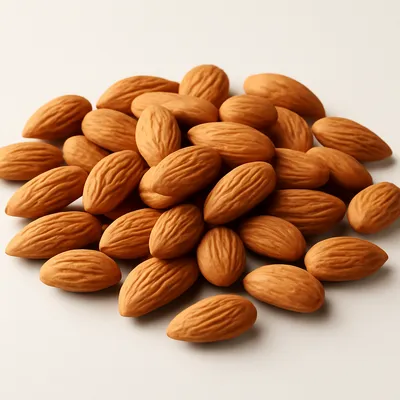
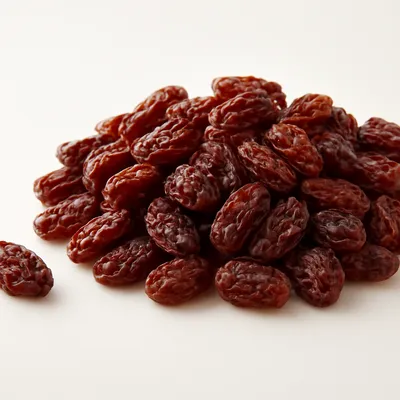
A pyramid of fine couscous on a wide platter, dusted snowy with powdered sugar and ground cinnamon, almonds and golden raisins pressed into the slope. Steamed three times in a couscoussier so the grains stay separate. Eaten warm with a glass of cold milk on the side; you scoop with the right hand, sugar falls, the pile collapses inward.
Three steamings are non-negotiable: each round the grains absorb water, get pulled out, raked with butter and a sprinkle of cold water, then steamed again. Skipping a round leaves a dense gluey center. The sugar and cinnamon go on only at table — premix and the sugar dissolves into the warm grain, dish goes wet and gritty.
Variations
Fes wedding version layers shredded chicken or pigeon under the sweet couscous; Algerian mesfouf uses raisins and orange-blossom water; Tunisian masfouf goes pomegranate-seed-topped for a tart edge.
On the Palate
Where Seffa sits in the Moroccan flavor cloud
Ingredients
How it's made
5 steps · 1 hour 30 min
- 126 min
Steam couscous over simmering water until fluffy.
Watch outSteam until every grain is separate and fluffy — bite one, no chalky raw center; a dense clumped grain means it needs another round of steam.
- 28 min
Mix in butter and let melt.
Watch outRake the butter through the hot grain with a fork and flick in a little cold water, breaking up every lump so it steams even next round.
- 313 min
Layer couscous with powdered sugar, cinnamon, and raisins.
Watch outHold the sugar and cinnamon back until it hits the table — stir them in early and the sugar melts into the warm grain and the whole dish turns wet and gritty.
- 45 min
Garnish with almonds.
- 539 min
Serve warm, allowing flavors to meld together.
Archive tool suggestions — not reviewed
These legacy suggestions have not been evidence-reviewed and are not presented as required tools.

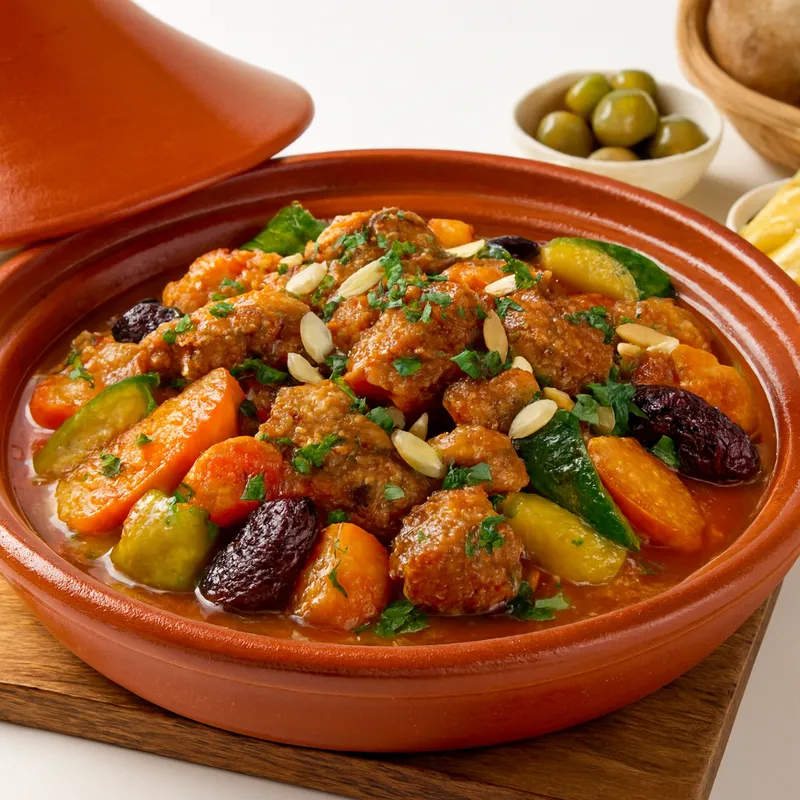
A two-piece earthenware vessel from North Africa: a flat round base and a tall conical lid. The cone is the engine — steam rises into its narrow apex, condenses against cooler clay, and drips back down onto the meat below. With a tablespoon of water at the start, a tagine slow-braises lamb shoulder for 3-4 hours over low charcoal embers, the meat self-basting in its own evaporated juices.

A two-tier metal cooking vessel: a tall lower pot for the stew (lamb, chickpea, vegetable) and a perforated upper basket for steaming couscous over the rising aromatic vapor. The genius is in the layering — the couscous cooks not in plain water but in the seasoned steam of the meat below, absorbing its flavors over 90 minutes of repeated steam-rest-fluff cycles. Brass and copper versions are heirlooms; modern stainless ones are more practical.