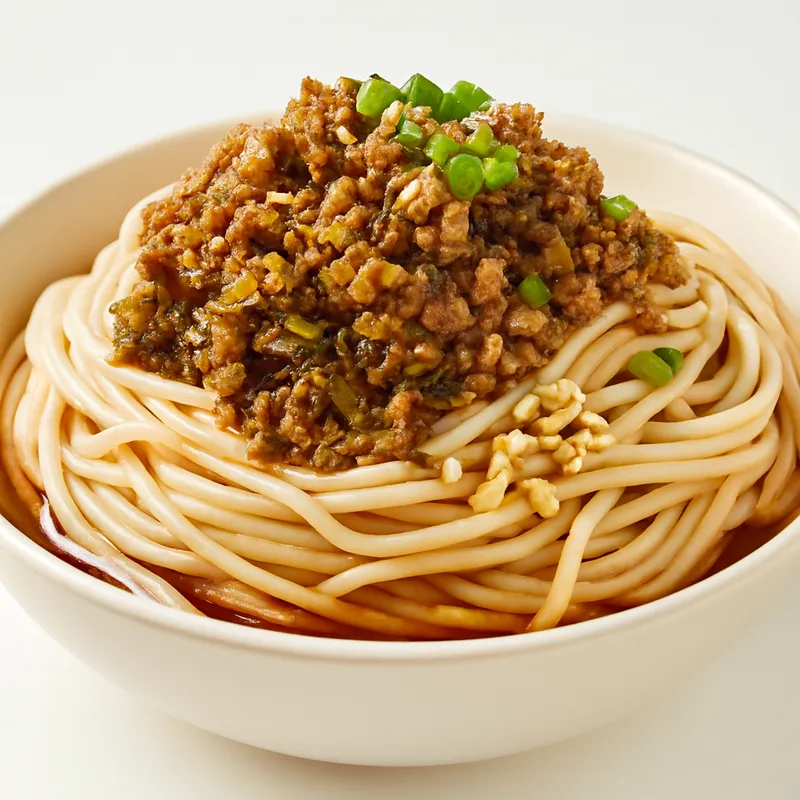
A warming Shanxi mixed-grain porridge in which millet, seasonal vegetables, beans, and wheat noodles are simmered together in one pot, then finished with a sizzling drizzle of scallion oil and vinegar that perfumes every bowl.
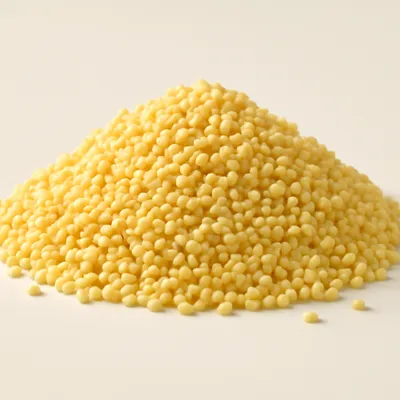




Hezi fan is the quintessential peasant staple of Shanxi and Shaanxi. A folk account from the Changzhi region traces it to a common household story: a mother-in-law combined the three different flours her daughters-in-law separately brought — wheat, bean, and potato starch — creating a unified 'three-harmony noodle' simmered with millet and whatever vegetables the season offered. Multi-grain cooking of this kind had long been a fixture of dryland farming across the Shanxi plateau; by the Qing dynasty the practice was a recognisable regional staple. By the twentieth century it had spread beyond Shanxi into Shaanxi and parts of Inner Mongolia.
A thick, comforting spoonful — millet-rich broth coats the tongue, noodles are silky yet springy, sweet cubes of pumpkin and earthy potato yield easily, and a bright vinegar tang arrives at the finish like a sudden punctuation mark.
Millet starch fully gelatinises at simmering temperature, thickening the broth without any added starch. Bean proteins dissolve slowly into the liquid over heat, enriching the body. Noodles release surface starch in the final minutes, binding everything together. When the hot scallion-and-garlic oil is splashed into the pot, volatile sulphur compounds are liberated instantly; the simultaneous addition of vinegar drives partial esterification of acetic acid at high temperature, producing aromatic esters that layer the characteristic sour-savoury edge.
Variations
Jinzhong and Yuci areas replace millet with coarse corn grits for a rougher, earthier texture. In northern Xinzhou, oat groats are sometimes added alongside millet for nuttiness. During lean years the scallion-oil drizzle was omitted and the plain version was called 'clear hezi fan'. Modern households often substitute sweet potato glass noodles for wheat noodles.
On the Palate
Where Shanxi Mixed-Grain Soup sits in the Chinese flavor cloud
Ingredients
Serves 4


How it's made
7 steps · 15 min
- 110 min
Rinse millet under cold water until the water runs clear. Soak dried soybeans in cold water for at least 6 hours or overnight. Dice sweet potato and pumpkin into 2 cm cubes; slice carrots; trim string beans into 3 cm lengths.
- 215 min
Pour 2 litres of cold water into a large pot and bring to a rolling boil over high heat. Add the soaked soybeans and boil for 15 minutes until beginning to soften.
Watch outGive the soaked soybeans a fifteen-minute head start in the boiling water before anything else — they're the slowest to soften, so start them first or you'll end up with hard beans in a finished soup.
- 310 min
Add the rinsed millet. Reduce to a steady simmer over medium heat and cook for 10 minutes, stirring occasionally to prevent sticking.
Watch outOnce the millet's in, stir now and then and keep it at a steady simmer — millet sinks and scorches on the bottom fast, and its released starch is what thickens the whole pot.
- 410 min
Add the diced sweet potato and pumpkin. Simmer for 10 minutes until the root vegetables are nearly cooked through.
- 55 min
Add the sliced carrots and string beans. Continue simmering for 5 minutes until all vegetables are just tender.
- 64 min
Add the wheat noodles (hand-cut or thin dried). Cook for 3-4 minutes until cooked through. Season generously with salt.
- 73 min
In a small ladle or saucepan, heat 2 tablespoons of oil until shimmering. Add minced scallion and garlic; fry 30 seconds until fragrant. Add aged vinegar and swirl once. Pour the sizzling drizzle directly into the soup, stir through, and serve immediately.
Watch outHeat the oil to shimmering, fry the scallion and garlic to fragrant, splash the vinegar in and pour it over sizzling — that instant hiss releases the aroma; do it off the heat and pour it while it still crackles.
Archive tool suggestions — not reviewed
These legacy suggestions have not been evidence-reviewed and are not presented as required tools.