
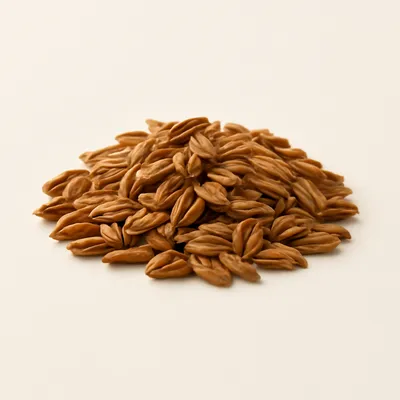

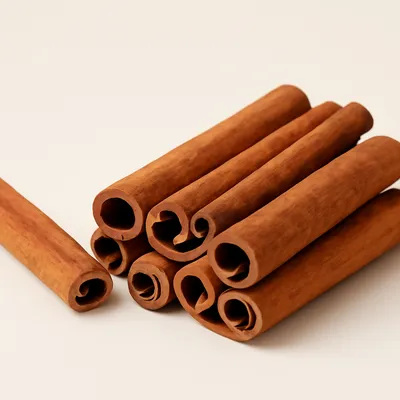


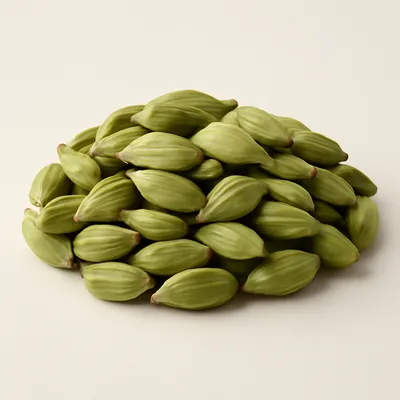
Arabic ras el hanout, 'head of the shop' — the proudest blend a spice seller offers. Marrakech's Mellah and Fes el Bali souks are the historic benchmarks; some traditional formulations include ash berries, rosebuds, even cantharide beetles (now rare and contraband). Codified for export by 20th-century French colonial trade.
La Maison Arabe's restaurant in Marrakech famously cooks tagines with a 27-spice ras el hanout. Mustapha's Moroccan grocery (Toronto) and Le Sanctuaire (San Francisco) carry single-shop souk blends. Avoid supermarket pre-grounds with maltodextrin — that's marketing dust, not the real thing.
Brown-amber dust speckled with rose, green, and black. Floral up front from rose and orris root, warm middle from cinnamon-cardamom-mace, deep bass of cumin and pepper, distant heat from grains of paradise. No two jars taste alike.
Ratio matters more than ingredient list — most blends run heavy on cumin, ginger, cinnamon, and turmeric as the bass, with rose, lavender, and orris as the perfume top notes. Whole spices toasted before grinding give the depth; pre-ground commercial blends taste flat. Bloom in oil before adding to tagine to release fat-soluble aromatics.
Variations
Moroccan Marrakech-style (rose-heavy, sweet-spiced) vs. Tunisian (chili-and-caraway-leaning) vs. Algerian (less floral, more savory cumin-ginger). Mustapha's (Toronto) sells a 30-spice version; Le Sanctuaire's runs 27. Modern French chef Mourad Mazouz at Sketch London uses a custom 22-spice blend.
On the Palate
Where Ras el Hanout sits in the Moroccan flavor cloud
Ingredients
Serves 8

How it's made
4 steps · 13 min
- 15 min
Toast 2 tbsp each cumin, coriander, fennel, allspice, peppercorns + 1 tsp cloves in dry pan.
Watch outToast the whole spices till they smell warm and fragrant before grinding — skip this and the blend tastes flat and dusty.
- 22 min
Add 2 cinnamon sticks broken; 6 dried rosebuds; 1 tsp nutmeg; 1 tsp mace.
- 35 min
Grind everything to a fine powder in spice mill.
- 41 min
Store in airtight jar away from light; potency declines after 3 months.
Watch outBloom it in hot oil before it goes in the tagine — the fat pulls out the aromatics that water alone can't.


