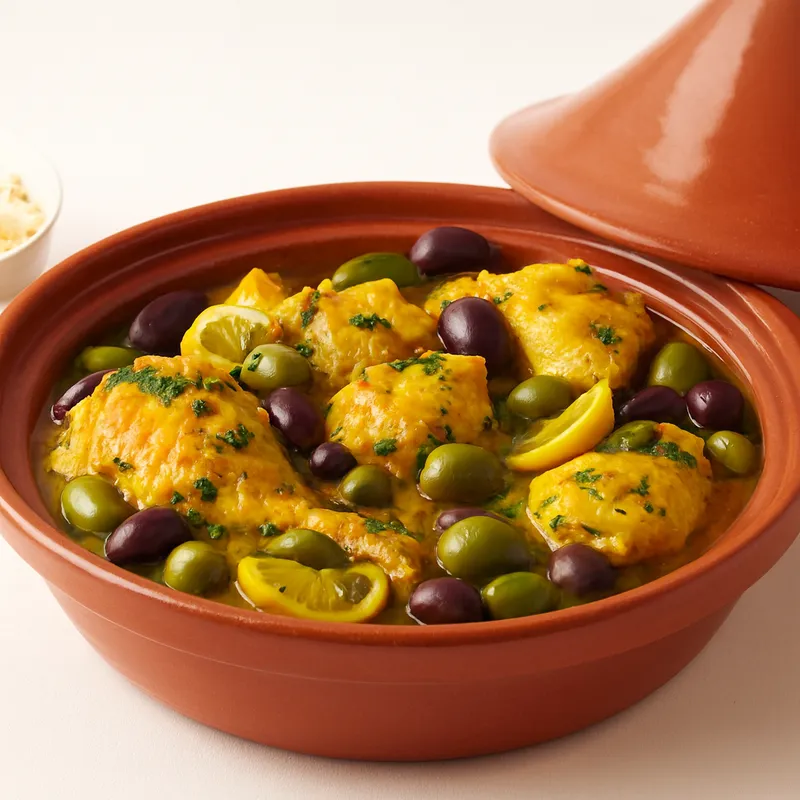
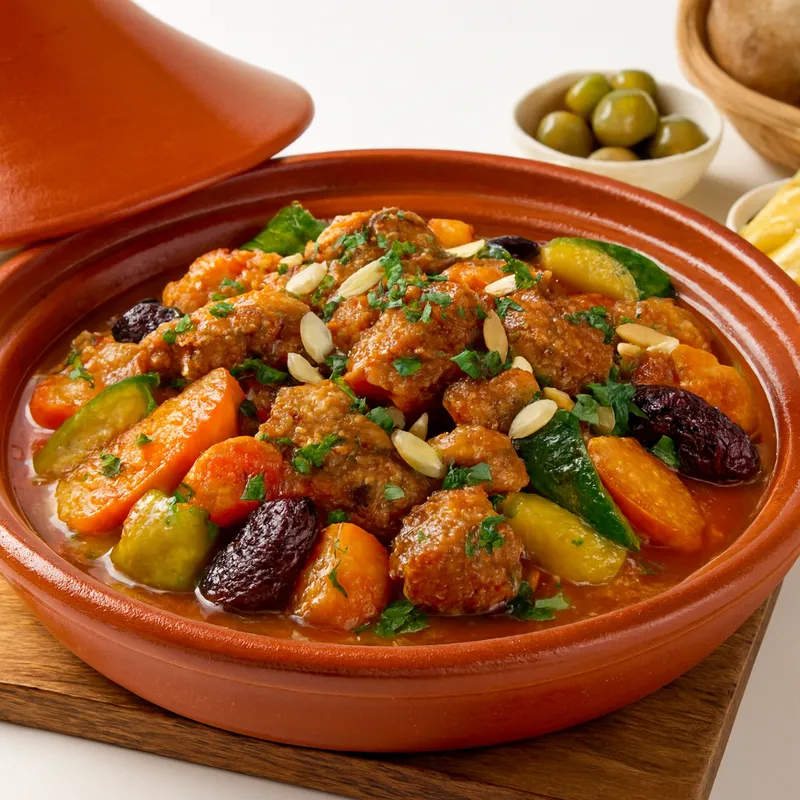
Argan oil — pressed from the kernels of the argan tree that grows almost exclusively in southwestern Morocco, across the Souss plain and the Anti-Atlas and High Atlas ranges — is the Berber Amazigh's secret cooking and finishing oil. Its toasted-nut flavor cuts through slow-cooked tagines and brightens steamed vegetables. The culinary version is darker than the cosmetic one. A few tablespoons at the end transform any tagine.
Lamb tagine finished with argan oil and ground almonds — the argan oil's nutty-toasted note replaces traditional butter. A southern Moroccan signature, eaten by Berber women who own the argan oil cooperatives.
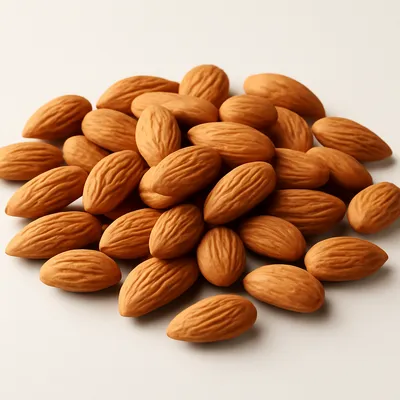
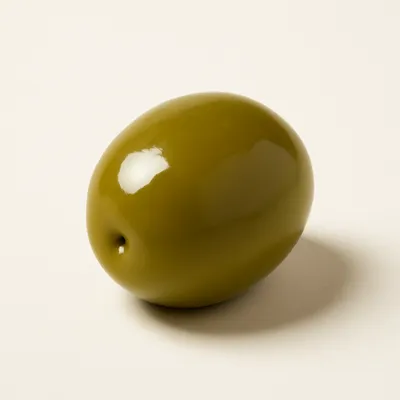
Argan oil contains squalene and tocopherols that survive the tagine's 90°C heat without breaking down — unlike olive oil, which loses flavor at the same temperature. The almonds' own oils and mild sweetness round out and soften the lamb's gaminess.
Variations
Souss valley argan tagine uses local lamb; Marrakech version adds chicken; modern Casablanca version uses both — three argan oil traditions.
On the Palate
Where Tagine d'Argan sits in the Moroccan flavor cloud
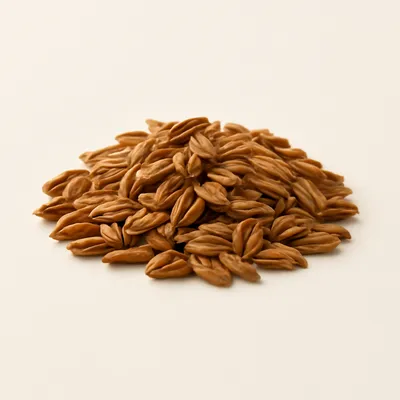
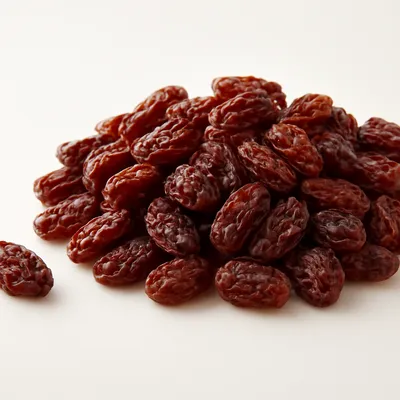
Ingredients











How it's made
5 steps · 1 hour 30 min
- 114 min
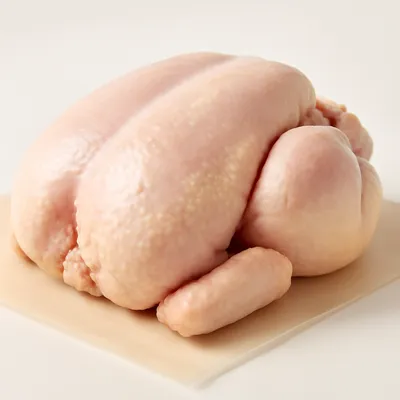
Brown 800g cubed chicken thigh or lamb in olive oil in a tagine, 8 minutes.
Watch outBrown the meat until it's deep gold on the outside — that seared crust is your flavor base.
- 23 min
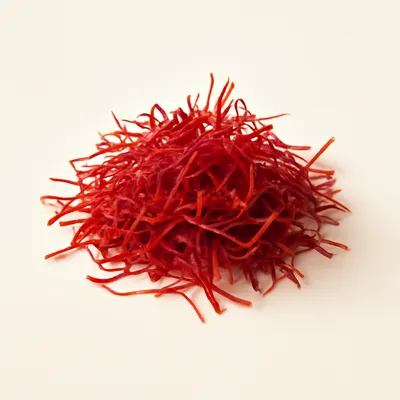
Add 2 chopped onions, 4 minced garlic cloves, 1 tsp ginger, 1 tsp turmeric, ½ tsp saffron, 1 tsp cumin, salt. Stir 1 minute.
- 341 min
Add 500ml water and 1 thinly-sliced lemon. Simmer covered 45 minutes.
Watch outKeep it at a lazy covered simmer, just soft blips under the lid, not a hard boil.
- 427 min
Add 200g toasted almonds and 100g raisins (soaked in warm water 10 min). Simmer 10 more minutes.
- 55 min
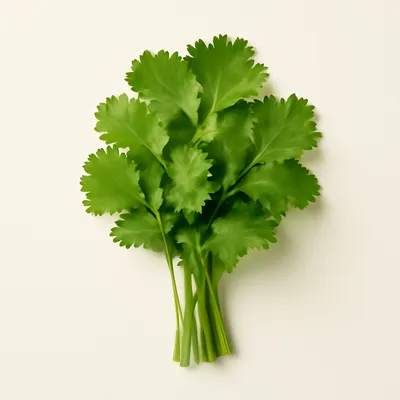
Off heat, drizzle 3 tablespoons of culinary argan oil over the tagine. Scatter chopped parsley. Serve directly in the tagine, hot.
Watch outDrizzle the argan oil over only after the pot is off the heat, then serve at once.
Archive tool suggestions — not reviewed
These legacy suggestions have not been evidence-reviewed and are not presented as required tools.