
Styrian fried chicken — bone-in chicken pieces buttermilk-marinated, then breaded in three stations (flour, egg, fresh white breadcrumbs) and shallow-fried in clarified butter until shatteringly crisp and golden. Served warm with potato salad, leaf salad, and lemon wedges; in Styria, finished with a drizzle of the region's pumpkin-seed oil. A Viennese and Styrian specialty of the Habsburg era, made by the same method as Wiener Schnitzel but with bone-in chicken in place of veal.




Backhendl ('baked chicken' but actually fried) is one of Austria's most historical dishes — its earliest known recipe appears in Conrad Hagger's 1719 Salzburg cookbook, after which it became a mainstay of Viennese and Styrian tables. In the early-19th-century Biedermeier era it was the culinary symbol of aristocratic and bourgeois wealth — so prized, and so costly, that later Austrians nicknamed the prosperous decades before the 1873 stock-market crash the 'Backhendlzeit' (fried-chicken era). Only after the 1848 revolution did it pass from grand households into everyone's kitchen — on Whit Sunday 1852, more than 12,000 fried chickens were eaten in Vienna's Prater park alone. Styrian (southern Austrian) home cooks perfected the technique with local chickens, and the dish is often called the Habsburg-era 'chicken schnitzel.' The defining technique is the three-station breading and shallow-frying in clarified butter. Europe's breaded-fried-chicken tradition and American Southern fried chicken developed separately: Southern fried chicken's frying is usually traced to Scottish settlers and its seasoning to West African cooks, with no direct line of descent from Austrian Backhendl.
Backhendl is Habsburg-era fried chicken refined to perfection. First bite: a shattering thin crust gives way to juicy, buttermilk-tenderized chicken. The fresh white breadcrumbs (not panko) create a fine, almost-crackly crust rather than a heavy one, and never overpower the chicken. The marinade has done its work — the meat is moist all the way through, with a delicate lemon note. Squeeze lemon for brightness, then a bite of Erdäpfelsalat — vinegary potato salad with a drizzle of pumpkin-seed oil — to cut the richness, and a sip of Styrian dry white wine. The dish the early-19th-century Austrian aristocracy loved enough to lend its name to an entire era.
Three technical principles: (1) Buttermilk marination — the buttermilk's mild lactic acid denatures the chicken's muscle proteins, tenderizing them, while its fat coats the surface to help the breading adhere. (2) Three-station breading — flour absorbs surface moisture, egg creates an adhesive layer, and breadcrumbs make the crust; keeping the flour step dry is critical for adhesion. (3) Clarified-butter frying at about 170°C — ordinary butter's milk solids would burn at frying temperatures, but clarified butter (just the butterfat) has a higher smoke point while keeping butter's distinctive flavor. Austrians prefer fresh soft breadcrumbs over panko precisely because they make a finer, more restrained crust that doesn't compete with the chicken.
Variations
Styrian canonical (with pumpkin-seed-oil potato salad); Viennese version (lighter breading, more refined — locally just called 'Wiener Backhendl'); modern Salzburg version uses a finer breadcrumb; gluten-free version uses almond flour plus chickpea flour in place of the wheat flour and breadcrumbs. The pre-modern method called for a whole young chicken (under 1kg) split in half and fried bone-in; modern versions use cut pieces, sometimes breading the liver alongside.
On the Palate
Where Backhendl sits in the Austrian flavor cloud
Fry in clarified butter at 170°C and use the dry-flour, egg, fresh-breadcrumb order so the crust bonds tight and stays crisp without burning.
Ingredients
Serves 4




How it's made
11 steps · 45 min active + 30 min waiting
- 15 min
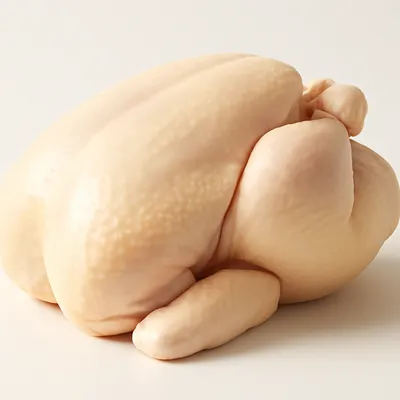
Cut 1 whole chicken (1.4kg) into 8 pieces (2 breasts halved, 2 thighs, 2 drumsticks, 2 wings).
- 2245 min
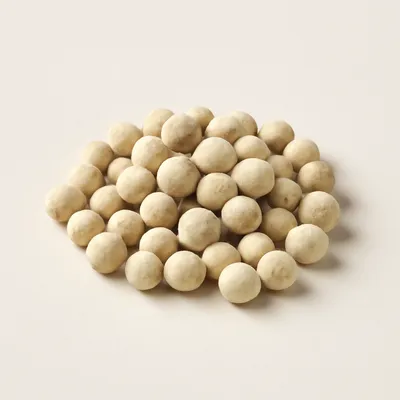
Marinate: in a large bowl combine 500ml buttermilk + 2 tsp salt + 1 tsp paprika + 1 tsp black pepper + 1/2 tsp white pepper + 1 tsp lemon zest + 4 garlic cloves (smashed). Add the chicken; submerge. Cover; refrigerate 4-12 hours (overnight is ideal).
- 34 min
Set up breading stations: (1) 200g all-purpose flour + 1 tsp salt + 1/2 tsp white pepper, (2) 3 large eggs beaten with 2 tbsp milk, (3) 300g fresh white breadcrumbs (Austrian preference for soft fresh breadcrumbs, NOT panko).
- 43 min
Remove chicken from marinade; let excess drip off (don't rinse). Pat surface lightly.
- 58 min
Bread each chicken piece: flour first (light coating, shake off excess), egg second (let drip), breadcrumbs third (press GENTLY to coat). Place on a tray.
- 64 min
Heat 3cm clarified butter in a wide heavy skillet (28cm minimum) to 170°C. Test with a breadcrumb — should sizzle immediately.
Watch outDrop in a breadcrumb — it should sizzle up immediately; that's your 170°C.
- 79 min
Place chicken pieces skin-side down in the hot fat. Don't crowd. Fry 8-10 min on one side until deep golden-brown.
Watch outDeep golden-brown on the first side before you touch it — 8 to 10 minutes, don't flip early.
- 87 min
Flip carefully with tongs. Fry another 6-8 min on the other side until golden, cooked through (internal temp 75°C).
Watch outSecond side golden and cooked through to 75°C at the bone.
- 95 min
Remove to a wire rack to drain (NOT paper towels). Let rest 5 min.
- 105 min
Optional finish: place fried chicken on a baking sheet; bake at 180°C 5 min to keep warm and ensure crisp.
- 113 min
Serve with: warm Austrian Erdäpfelsalat (vinegary potato salad with red onion and pumpkin-seed oil), Vogerlsalat (lamb's lettuce) with apple-cider-and-pumpkin-seed-oil vinaigrette, lemon wedges, and a glass of Styrian dry white wine (Sauvignon Blanc from the Sausal region).
Archive tool suggestions — not reviewed
These legacy suggestions have not been evidence-reviewed and are not presented as required tools.

A heavy, single-piece cast iron pan, 25-30 cm across, weighing 1.5-2.5 kg. Once preheated, the thick mass holds 230°C+ even when a cold steak hits the surface — that's the secret to a deep crust. A well-seasoned skillet (multiple thin layers of polymerized oil baked into the iron) is essentially nonstick, gets better with use, and lasts a century. Lodge skillets from Tennessee have been in continuous production since 1896.

Flat rectangular metal pan (sheet pan, half-sheet, quarter-sheet), 33×23 cm to 45×33 cm, with a low rim. The flat surface gives even heat for cookies, biscuits, roasted vegetables, sheet-pan dinners. Heavy aluminum sheets conduct heat fastest; non-stick coatings make cleanup easier but can warp over 200°C; rimmed half-sheet is the modern American restaurant standard.


