
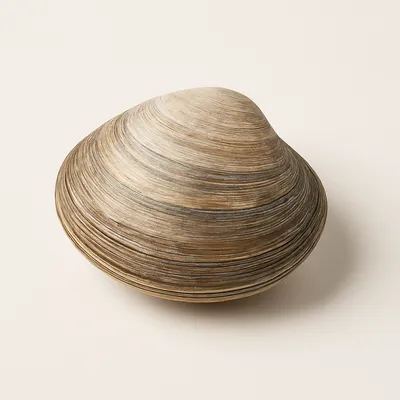
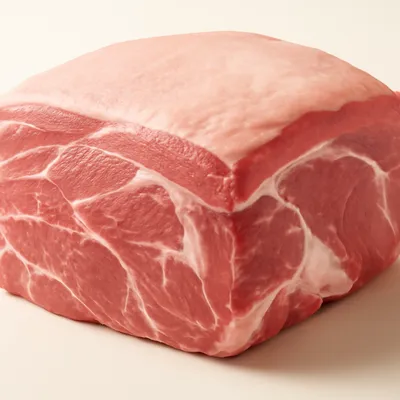
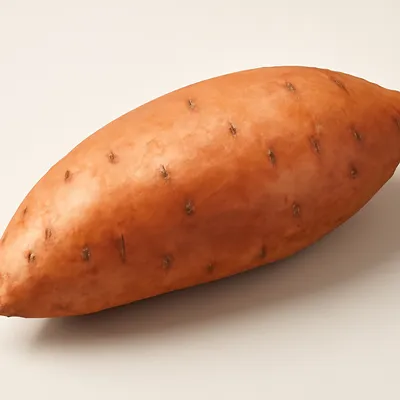
Chiloé Island's earth-pit feast and one of its oldest cooking methods — shellfish (mussels, clams) at the base, then fish, sausage, pork, chicken and potatoes, plus the local potato breads milcao and chapaleles, all layered into a stone-lined pit dug in the ground. River stones are fire-heated red-hot, the embers raked away, and the pile is covered with the giant leaves of nalca (Chilean rhubarb, also called pangue), then wet sacking, grass and earth to seal it, and steam-cooked for one to two hours by the stones' heat.



Curanto-en-hoyo is one of the most ancient Chilean dishes. The name comes from Mapudungun and means "heated stone," describing the fire-heated-stone pit technique. Archaeology dates a roughly 6,000-year-old cooking pit at the Puente Quilo site on Chiloé's northern coast, west of Ancud, where remains of sea lions, marine otters and whales were found alongside shells of scallops, snails, abalone, mussels and clams; some researchers push the island's shellfish-eating traces back nearly 10,000 years. The first curantos, however, predate the Mapuche-Huilliche — Mapuche-speaking agriculturalists who reached Chiloé much later — and originated with far older hunter-gatherer peoples, before even the canoe-dwelling Chono. Today island villages still dig curanto pits on the beach to welcome visitors and gather the community.
Pull apart a curanto plate — mussel-clam saline, smoky pork and sausage, sweet roasted potato, milcao pancake soaked in the cooking juices. The combination of land, sea and earth-smoke is utterly distinctive. A meal thousands of years old, still made on Chiloé beaches.
Red-hot river stones are the heat source: they transfer fierce heat to the layered ingredients while the nalca leaves, wet sacking and earth on top seal the pit so no steam escapes, turning it into a natural steamer. Over one to two hours the steam rising from below merges with the food's own juices, all infused with smoke from the residual ash. Setting shellfish at the base with potatoes and potato breads above lets the juices drip down while the starches sit stably on top. No other cooking method produces this interwoven land-sea-smoke depth.
Variations
Curanto en Olla (a pot version cooked on the stove, no pit). Pulmay (the Chilean mainland version). The pit-and-stone curanto is the traditional Chiloé method; some modern restaurants make it in an oven instead.
On the Palate
Where Curanto-en-Hoyo sits in the Chilean flavor cloud
Ingredients
Serves 8




How it's made
9 steps · 1 hour 30 min active + 4 hours 30 min waiting
- 140 min
Dig a pit 1m × 1m × 60cm deep. Line bottom with smooth stones.
- 2120 min
Build a hot wood fire over the stones for 2 hours — stones must turn red-hot.
Watch outStones are ready when they glow red-orange in daylight, not just black-hot — that's your only fuel.
- 35 min
Rake out the embers, leaving the glowing stones in place.
- 45 min
Layer 1 (bottom, hottest): 2 kg mussels and 2 kg clams in their shells.
- 510 min
Layer 2: 2 kg pork shoulder cubed, 8 chicken thighs, 8 chorizo sausages.
- 65 min
Layer 3: 2 kg potatoes whole, 6 sweet potatoes.
- 715 min
Layer 4: milcao (mashed potato pancakes) and chapaleles (boiled-potato dumplings) — these absorb juices.
- 815 min
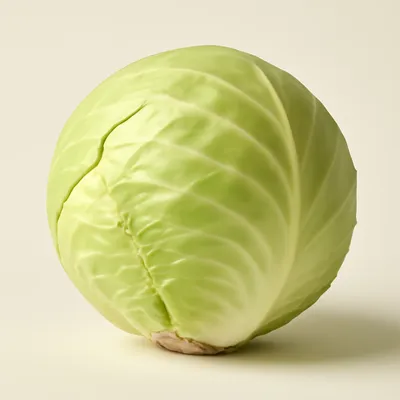
Cover with large nalca leaves (or banana/cabbage leaves), wet sacks, then 30cm of earth to seal.
Watch outOnce covered, watch that no steam wisps escape the edges; if it does, shovel on more earth to seal.
- 9100 min
Steam-cook 90 minutes; uncover carefully (steam will erupt). Serve communally on long tables with ulmo honey and Chilean white wine.
Watch outLift the cover facing away from you — the trapped steam erupts hard when the seal breaks.
Archive tool suggestions — not reviewed
These legacy suggestions have not been evidence-reviewed and are not presented as required tools.


