
Tahitian seared mahi-mahi fillet in a vanilla-coconut cream sauce — Tahitian vanilla (Vanilla tahitensis, an aromatic Polynesian species — not 'Bourbon,' which by definition is V. planifolia from the Indian Ocean) scraped fresh into a coconut-cream-lime sauce, finished with chives. The French-trained Tahitian chef's signature, served at every upscale Tahitian restaurant in Papeete.



Mahi mahi à la vanille is a modern French-Tahitian fusion — taking advantage of Tahiti's renowned vanilla (Vanilla tahitensis, hybridized on the island after V. planifolia was introduced by French navy officers in 1848; mass-cultivated from 1880 and long a leading export). Note this is NOT 'Bourbon vanilla,' a label reserved since 1964 for V. planifolia grown on Réunion (formerly Île Bourbon), Madagascar and the Comoros. The dish applies French sauce technique to local Pacific fish, exemplifying the upscale Tahitian-French-Pacific dining scene that grew with the 1980s tourism boom.
Slice into the mahi-mahi — fork-tender, just-opaque, infused with the seared crust's caramelization. Pour over the vanilla-coconut sauce; the perfume of fresh Bourbon vanilla rises immediately. Bite: fish's clean briny sweetness meets vanilla's musky-honeyed depth, coconut cream's tropical richness, lime brightness, butter glaze. Each bite is a French sauce technique applied to Pacific ingredients — distinctly Tahitian-French.
High-heat sear creates a Maillard crust on protein-rich mahi-mahi. Coconut cream emulsifies with butter for the sauce body, with lime juice for balancing acidity. Tahitian vanilla differs aromatically from common vanilla: its vanillin content is only ~5–10% (far below V. planifolia), so its dominant aroma comes from p-anisaldehyde, piperonal (heliotropin) and p-hydroxybenzaldehyde, giving floral, cherry and almond notes; these volatile compounds infuse best in the warm sauce. Cold butter whisked in off the heat at the end (monter au beurre) creates the glossy emulsified finish.
Variations
Tuna version uses yellowfin tuna seared rare. Lobster version uses lobster tail. Snapper version uses red snapper. Vegetarian uses pan-seared cauliflower steaks.
On the Palate
Where Mahi Mahi Vanilla Sauce sits in the Tahitian flavor cloud
Sear the mahi-mahi hard for a golden crust, then build the vanilla sauce and finish it with cold butter whisked in off the heat — that off-heat butter (monter au beurre) is what turns the coconut base glossy instead of oily and split.
Ingredients
Serves 4



How it's made
12 steps · 25 min active + 10 min waiting
- 13 min
Pat dry 4 mahi-mahi fillets (180 g each). Season both sides with 1 tsp salt + ½ tsp black pepper.
- 22 min
Heat 2 tbsp olive oil + 1 tbsp butter in a wide pan over medium-high heat.
- 34 min
Sear fillets 3 min on the first side until golden-brown crust forms.
Watch outLeave the first side undisturbed for a full 3 minutes so a proper golden-brown crust sets before you flip.
- 43 min
Flip; cook 2 min on second side. The fillets should be just-opaque in the center. Remove; rest covered.
- 53 min
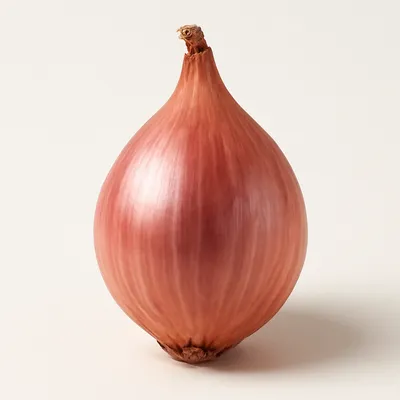
Same pan: add 1 minced shallot. Cook 2 min.
- 63 min
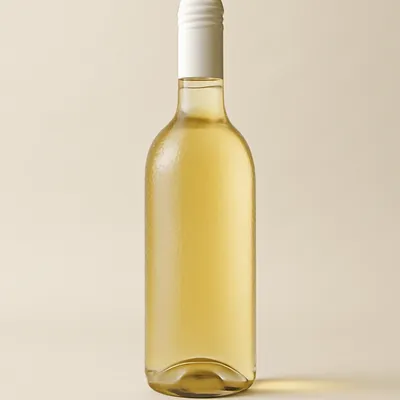
Add 100 ml dry white wine. Reduce 2 min.
- 75 min
Add 250 ml coconut cream + seeds scraped from 1 vanilla bean (reserve the pod for another use). Whisk to incorporate.
Watch outAdd the vanilla seeds to the warm coconut cream and keep it at a gentle simmer — this warmth is where the aroma infuses best.
- 84 min
Simmer 4 min until sauce thickens slightly.
- 92 min
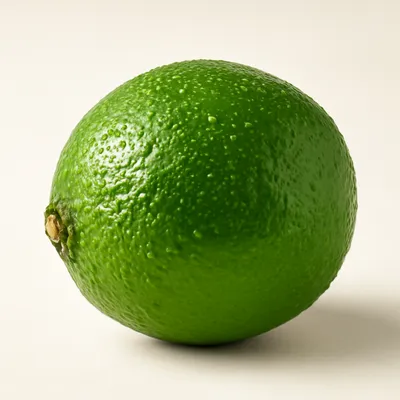
Stir in 1 tbsp lime juice + 1 tbsp cold butter + ¼ tsp salt. Whisk until glossy.
Watch outOff the heat, whisk in the lime juice and cold butter until the sauce turns visibly glossy — that shine means it's emulsified.
- 102 min
Return fillets to pan briefly to warm.
- 112 min
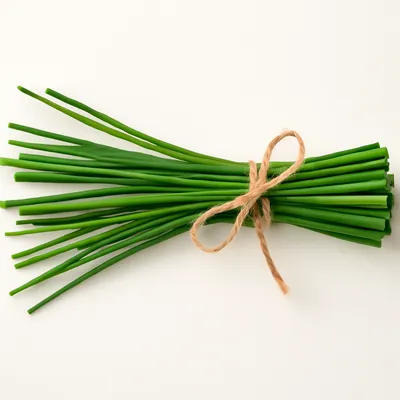
Plate: a fillet, sauce spooned over, garnished with 1 tbsp chopped chives.
- 124 min
Serve with steamed rice or sautéed vegetables.


