
Cape Verde's national dish — a slow-cooked stew of hominy corn, beans, multiple meats (sausage, pork, beef, goat, or chicken) or salt cod, plus starchy tubers (cassava, sweet potato, squash, plantain), and leafy greens. Slow-cooked for hours; flavors deepen with time. Two forms: cachupa rica (rich, with meats) and cachupa pobre (poor, with fish).

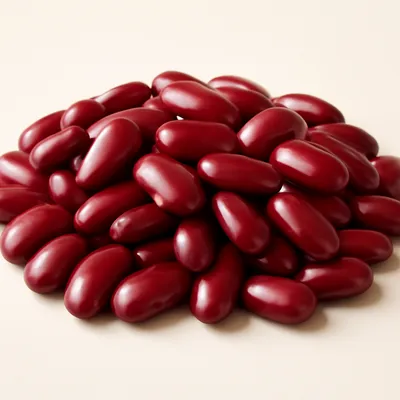


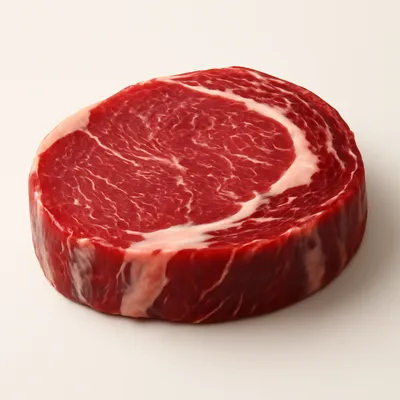
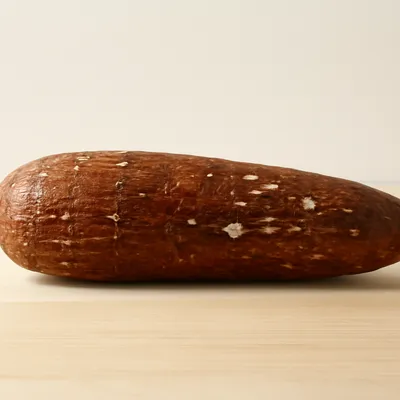
Cachupa is Cape Verde's national dish, drawing on the islands' African, Portuguese, Brazilian, and American influences. It grew out of slavery-era thrift — using whatever ingredients were on hand — and over 500 years became a marker of morabeza (Cape Verdean hospitality). Cachupa rica with various meats sat above cachupa pobre with fish in the old class order.
Spoon up cachupa — chunky stew with golden hominy kernels, soft beans, pieces of pork and sausage, cubes of orange sweet potato and yellow squash, ribbons of cabbage, slices of sweet plantain. Bite: hominy's earthy-corn substance, beans' creamy richness, the multiple meats' layered savory depth (pork-sausage-beef each contributing), the vegetables' sweetness, the paprika's gentle warmth. Slow-cooked over hours, every component has melded but kept its identity. With Cape Verdean Grogue (sugarcane spirit) or a glass of Strela beer, this is the islands' Sunday family meal — 500 years of cultural fusion in one bowl.
Soaking hominy and beans overnight is essential — without it, cooking takes much longer. The slow simmer (4+ hours total) breaks down tough grains and tenderizes meats while preserving textures of vegetables added later. The refogado (sautéed onion-garlic-tomato-paprika base) is the Portuguese culinary touch that distinguishes cachupa from pure African stews.
Variations
Cachupa rica (with multiple meats — celebration version). Cachupa pobre (with fish — historical 'poor' version). Cachupa refogada (breakfast version with leftover cachupa, fried with onion, topped with egg). Each island has slight variations; Santiago is considered the traditional source.
On the Palate
Where Cachupa sits in the Cape Verdean flavor cloud
Ingredients
Serves 10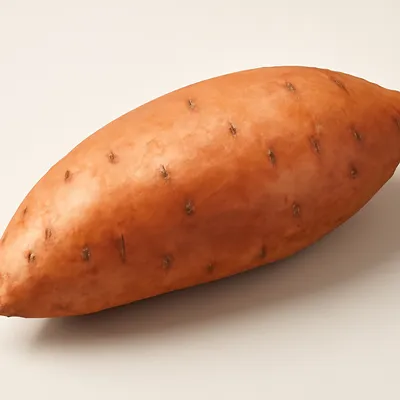









How it's made
13 steps · 1 hour active + 7 hours waiting
- 1480 min
Soak 400 g hominy corn (alkali-processed maize) + 200 g pinto or red beans overnight in cold water.
- 26 min
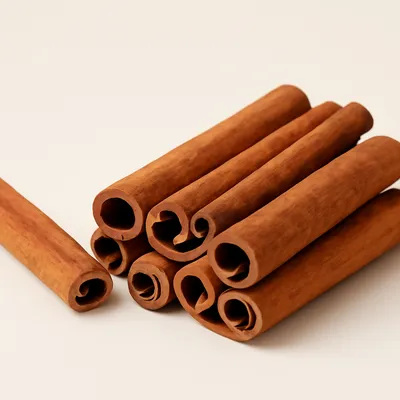
Drain. Place in a large pot with 3 L cold water + 2 bay leaves + 1 cinnamon stick (optional Portuguese touch).
- 395 min
Bring to a boil; simmer 1.5 hours until grains begin to soften.
Watch outAfter the first long simmer the grains should just start to soften and split — that's when the meats go in.
- 44 min
Cube 400 g pork (or pork ribs) + 200 g chouriço (Portuguese sausage) + 200 g beef (for cachupa rica).
- 547 min
Add the meats to the pot; simmer 45 min.
- 66 min
Add: 400 g cubed cassava + 300 g cubed sweet potato + 200 g cubed squash (kabocha or butternut).
- 755 min
Continue simmering 45-60 min until vegetables are tender and grains are fully cooked.
- 89 min
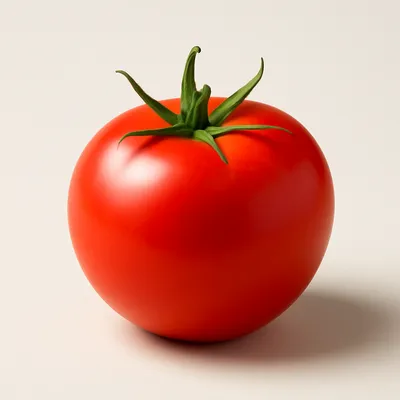
Add: 1 chopped onion sautéed in 3 tbsp olive oil with 4 garlic cloves + 1 chopped tomato + 1 tsp paprika + 1 tsp salt. (Make this 'refogado' separately and stir in.)
Watch outThe refogado should smell sweet and jammy before it goes in — softened onion, garlic and tomato, not raw.
- 916 min
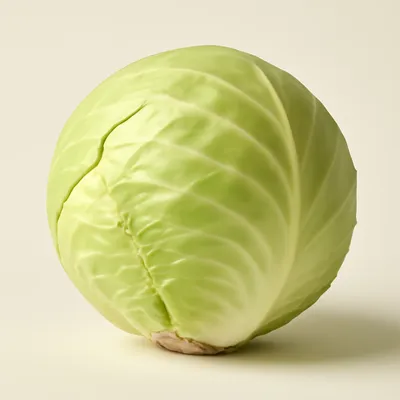
Add 200 g shredded cabbage or kale; simmer 15 min.
- 1011 min
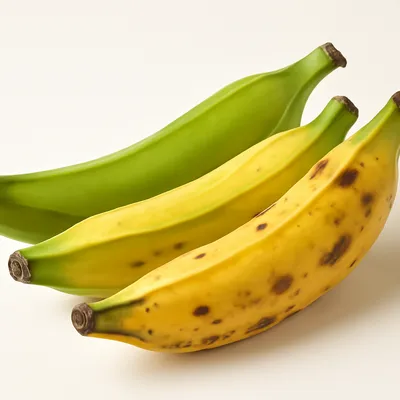
Add 2 sliced ripe plantains in the last 10 min.
- 111 min
Taste; adjust salt and pepper.
- 121 min
Cachupa should be very thick — closer to a stew than a soup.
Watch outDone cachupa is very thick — a spoon dragged across the bottom leaves a lasting trail.
- 134 min
Serve hot in deep bowls. The next day's leftover cachupa becomes cachupa refogada (breakfast version): drained, pan-fried with onion and topped with an egg.


