


Cape Verdean
Cachupa on Sunday, refogada on Monday, and a Creole kitchen 600 km out at sea.
Cachupa
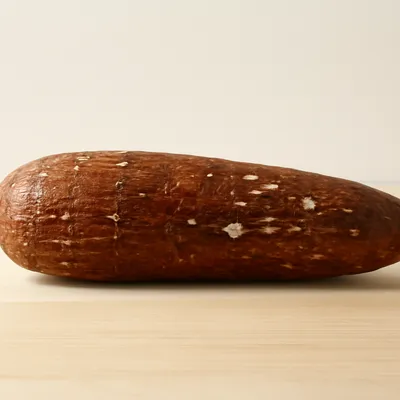
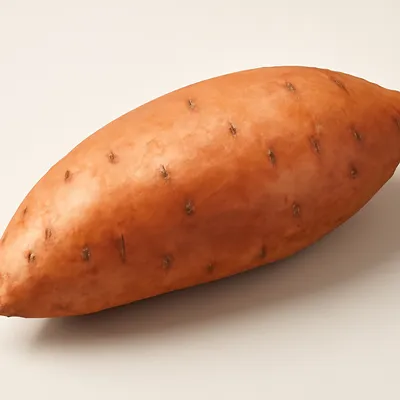
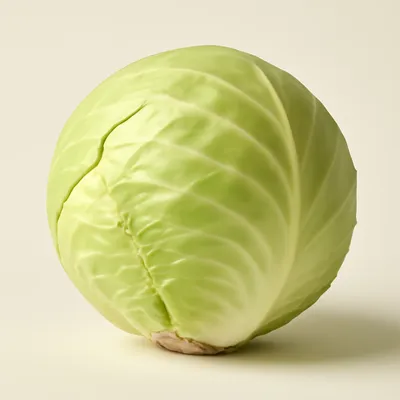
Cape Verde's national dish — a slow-cooked stew of hominy corn (alkali-processed maize), beans, and multiple meats (sausage, pork, beef, goat, or chicken) or salt cod, plus starchy tubers (cassava, sweet potato, squash, plantain), leafy greens (collard, kale, cabbage), and olive oil. Cooked for hours until tender. Cachupa rica includes meats; cachupa pobre uses fish. The leftover version, cachupa refogada (fried with sausage and egg), is the iconic Cape Verdean breakfast. Source: Wikipedia (Cachupa); Crumb-Snatched; Salcaboverde.
View page →Cape Verde is the volcanic archipelago 600 kilometers off the West African coast — ten islands settled by Portuguese sailors and West African slaves in the 1460s, whose Creole (Kriolu) culture is the oldest African-European synthesis on either Atlantic side. The cuisine is therefore Portuguese-Atlantic at the surface (linguiça, chouriço, paprika, olive oil, wine) and West-African at the foundation (hominy corn, beans, cassava, sweet potato). The signature is Cachupa — slow-simmered hominy corn with beans, sweet potato, cabbage, linguiça, salt-pork, and sometimes tuna; each island has its own version (Santiago hearty, São Vicente lighter). Cachupa Refogada — leftover cachupa pan-fried in onion-paprika oil and topped with a fried egg — is the Monday-morning ritual across the islands. Caldo de Peixe is the fisherman's everyday stew; Buzio is the shellfish version of Sal and Boa Vista. Modje is the festival goat stew of Santiago and Fogo. Pastel com Diabo Dentro — 'pastry with the devil inside', the scotch-bonnet-spiked fried fish pastry — is the Santo Antão street snack. Pudim de Queijo, the cheese-and-caramel custard, closes the meal.
The Palate
Start Here
Hominy corn slow-simmered with beans, sweet potato, cabbage, linguiça, salt-pork, and sometimes tuna into a hearty island stew. Each island has its own variant.
Why start here · Cape Verde's undisputed national dish. The single bowl that anchors the entire archipelago, the Sunday-and-day-after ritual on every island.
Fish-and-onion filling spiked with scotch bonnet and lemon, wrapped in a corn-flour dough and deep-fried into golden-crispy half-moons. The name means 'pastry with the devil inside'.
Why start here · The Santo Antão street snack that captures the Creole humor of the archipelago. The clearest single bite of Cape Verdean street food.
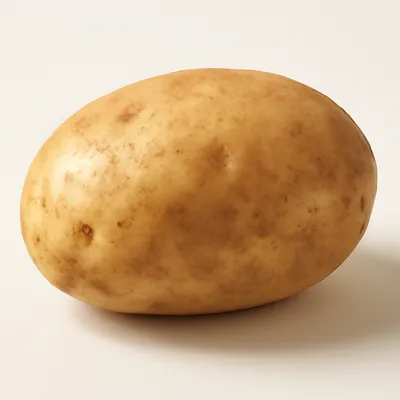
Fresh tuna, grouper, or whatever was landed, simmered with potato, sweet potato, cassava, tomato, onion, and paprika into a clear orange broth.
Why start here · The everyday meal of every coastal village. The most-honest expression of the Cape Verdean fisherman's table.
The Pantry







See all 49 ingredients›









Herbs & Spices



Grains & Staples







Sauces & Condiments
On the Map
Where this cuisine is found
Regional Styles
Sotavento (Leeward Islands — Santiago, Fogo, Brava, Maio)
The southern, larger, more-African islands. Santiago is the cachupa heartland; Fogo brings volcanic wine and the modje goat-stew festival tradition.
Barlavento (Windward Islands — Santo Antão, São Vicente, São Nicolau, Sal, Boa Vista)
The northern islands. Santo Antão for pastel com diabo dentro and grogue rum; São Vicente for the lighter cachupa and the Mindelo cosmopolitan scene; Sal and Boa Vista for the buzio shellfish coast.
Coastal Fishing (all islands)
Every island has its fishing village and its caldo de peixe. The pan-archipelago everyday meal that connects every coast.
How They Cook
Techniques that define this cuisine


