


Recorded in English cookbooks by 1390 (the Forme of Cury), brought to America by Thomas Jefferson, who served a baked version at the President's House in 1802 after tasting it in Paris. The Southern custard-style is a separate African-American tradition dating to plantation kitchens; it became a staple of Black Sunday-dinner cooking and was popularized nationally by James Hemings (Jefferson's enslaved chef) and later by Black home cooks.
Thomas Jefferson brought the noodle-and-cheese idea back from Paris in 1784 and served it at a 1802 White House dinner. Southern soul-food version goes baked with eggs and evaporated milk; the bechamel-based stovetop version is northern. Velveeta is a 1928 shortcut, not a sin.
Elbow macaroni in a cheese sauce, baked or stovetop. Southern (especially Black Southern) style is custard-set: layered with eggs and evaporated milk, cut into squares like a casserole, browned on top. Stovetop diner-style is loose and saucy. Cheddar dominates but a sharp-aged cheese is in every honest recipe — without it the sauce reads as bland yellow paste.
Stovetop versions ride a béchamel: roux, milk, then off-heat cheese (boiling cheese breaks the emulsion). Baked Southern versions skip the roux — eggs and evaporated milk set into a savory custard around the pasta. Sodium citrate (or processed cheese, which contains it) is the secret behind impossibly smooth sauces because it keeps the cheese protein dispersed.
Variations
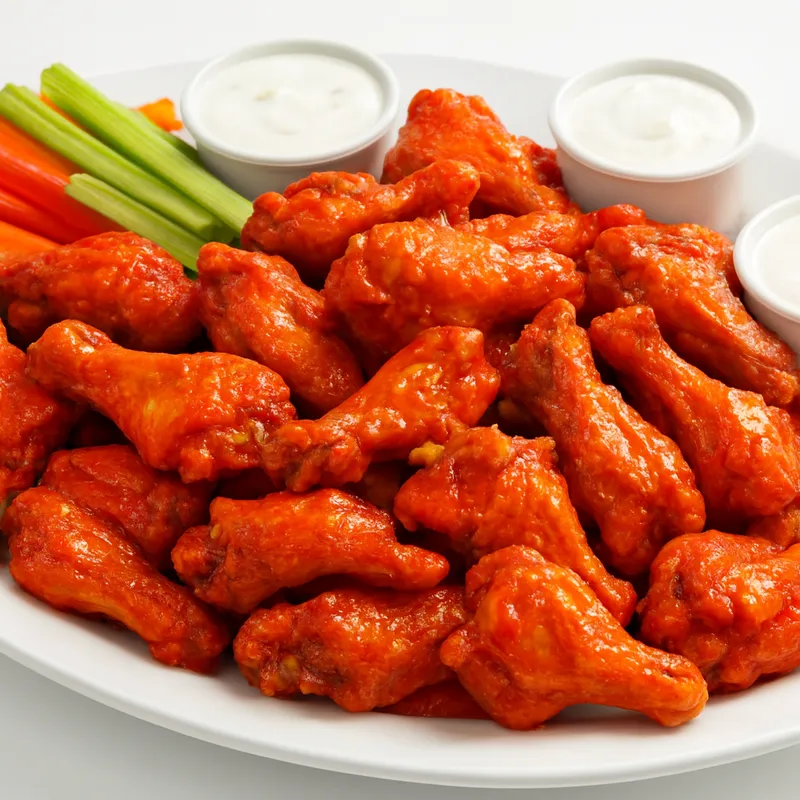
Southern baked (egg-and-evaporated-milk custard, sharp cheddar); Northern stovetop (bechamel-based, often elbow); Stouffer's frozen (1975, the dorm-room standard); Kraft blue-box (1937, Depression invention); lobster mac at Neptune Oyster (Boston); buffalo-chicken mac is a 2010s pub addition.
On the Palate
Where Macaroni and Cheese sits in the American flavor cloud
Melt the cheese off the heat: build a smooth béchamel first, then pull the pan from the stove before stirring in the cheddar — boiling cheese sauce breaks the emulsion and turns grainy and greasy every time.
Ingredients


How it's made
5 steps · 40 min
- 110 min
Bring a large pot of salted water to a boil and cook the macaroni until al dente, about 8 minutes. Drain and set aside.
Watch outEnsure the water is at a rolling boil before adding the macaroni to prevent sticking.
- 25 min
In a saucepan, melt butter over medium heat. Sprinkle in flour and whisk constantly to form a smooth roux, cooking until it turns a pale golden color.
Watch outStop the roux at pale gold and a nutty smell — take it darker and it loses thickening power and tastes toasted.
- 310 min
Slowly pour in the milk, whisking continuously to prevent lumps. Cook until the sauce thickens and coats the back of a spoon.
Watch outThe sauce is thick enough when it coats the back of a spoon and a finger drawn through leaves a clean line that holds.
- 45 min
Remove the pan from heat and stir in grated cheddar cheese, mixing until melted and the sauce is creamy. Season with salt and pepper to taste.
Watch outStir the cheese in off the heat until fully melted and glossy — if it looks oily or grainy, the pan was still too hot.
- 510 min
Combine the cooked macaroni with the cheese sauce, ensuring every piece is well coated. Transfer to a casserole dish and bake until bubbly and golden on top.
Watch outMake sure the macaroni is evenly coated to avoid dry spots after baking.
Archive tool suggestions — not reviewed
These legacy suggestions have not been evidence-reviewed and are not presented as required tools.

Hand-held wire loop tool for beating eggs, whipping cream, emulsifying dressings, and incorporating air into batters. Balloon whisks (large round head) for whipping cream and meringues; French whisks (narrow tear-drop) for sauces in pots; flat whisks (gravy) for pan sauces. Stainless steel is universal; silicone-coated for non-stick pans.

Round metal pot, 14-26 cm diameter, with vertical walls and a long handle, designed for sauces, soups, oatmeal, rice, boiled vegetables. The vertical walls minimize evaporation (vs. a sauté pan). Sizes: 1 qt for melting butter, 2-3 qt for sauces, 4 qt for soups. Stainless-steel-clad aluminum or copper is best for conduction; cast-iron is too thick for delicate sauces.