
A Changsha night-market staple: river snails braised with perilla, chili and garlic, eaten by sucking the meat straight out of the shell.





Snails have been eaten in Hunan since prehistory: the Yuchanyan cave site in Dao county yielded a thick pile of edible snail shells, dated to roughly ten thousand years ago, whose tail tips had already been snapped off for sucking. The dish itself is folk night-market fare with no single inventor; the name 嗦螺 (also written 嗍螺) is onomatopoeic, 嗦/嗍 being the Xiang-dialect verb for sucking food in, the same word as in 嗦粉 (slurping rice noodles).
You pin the snail to your lips and pull a quick breath — the meat releases from the shell with a wet pop and slides in on a mouthful of broth, leaving the empty shell at your fingertips. First the perilla hits, herbal and faintly minty, then the chili-garlic heat and a savory depth from the fermented black beans; the meat itself is firm and a little chewy, never muddy. Half the pleasure is the sound: a table of people going "sok, sok" through a pile of shells.
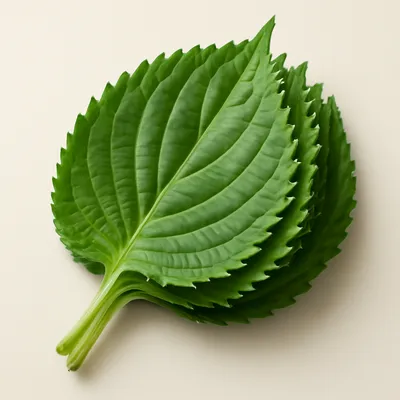
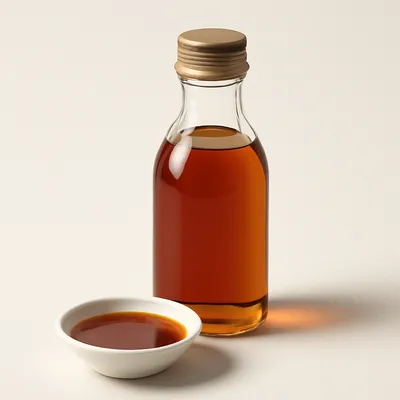
Everything starts with purging. Live snails are kept in clean water for hours, even overnight with the water changed; a few drops of sesame oil on the surface make them open up and spit out grit and mud. Then the pointed tail of each shell is snipped off with shears or pliers — this is the key move: the snail's body forms a sealed vacuum inside the spiral, and breaking the tail opens a vent so that when you suck the mouth end, air enters behind the meat and it slides free. Perilla does the de-fishing, its aromatic oils masking the snail's earthy off-notes while its warm nature offsets the cold snail in the Chinese-medicine pairing. The snails are blanched to drop their opercula, then braised hard with chili, garlic, ginger and fermented black bean until the liquid reduces and drives the seasoning back into the meat.
Variations
Snail choice varies: larger 田螺 (river/field snails) are common in Changsha, while small thick-meated 石螺 (stone snails) are prized for chew and carry less mud. Within Hunan the styles split — Changsha leans spicy-aromatic with heavy perilla, Meizhou Hakka cooks go sweeter and let the snail flavor lead, and the Lengshuijiang style uses mountain-pepper (山胡椒) oil. Home and stall versions often braise the snails in beer, which is a modern touch rather than an old tradition. A different but related dish is Liuzhou's luosifen, built on stone-snail broth — distinct from Changsha's dry-braised 嗦螺.
On the Palate
Where Changsha Spicy River Snails sits in the Chinese flavor cloud
Ingredients
Serves 3

How it's made
6 steps · 20 min
- 1720 min
Rinse live river snails and soak them in clean water for several hours (overnight is better), changing the water a few times; add a few drops of sesame oil so they purge mud and grit.
Watch outPurge them for hours with a few drops of sesame oil on the water — that's what makes the snails open and spit out grit and mud.
- 210 min
Drain, scrub the shells, then snip the pointed tail off each snail with kitchen shears or pliers and rinse again until the water runs clear.
Watch outSnip the pointed tail off every shell — this vents the vacuum so the meat sucks free at the table; skip it and it won't come out.
- 36 min
Blanch the snails in boiling water with a splash of rice wine until the little opercula (caps) drop off; drain.
- 44 min
Heat oil and fry chopped garlic, ginger, dried chili and fermented black beans (and chili-bean paste if using) until fragrant and the oil turns red.
- 512 min
Add the snails and stir-fry to coat, then pour in beer or water to nearly cover; braise over high heat for about 10 minutes until the liquid reduces by half.
- 63 min
Season with light and dark soy and a pinch of sugar, throw in a big handful of perilla leaves, toss until just wilted, and reduce to a glossy sauce.
Watch outToss the perilla in only until just wilted — it's there to de-fish the snails; cook it to death and you lose its aroma.


