Fish fillet dusted in starch and pounded paper-thin, cut into translucent ribbons, then simmered in a clear stock with shredded chicken, ham, and mushroom.
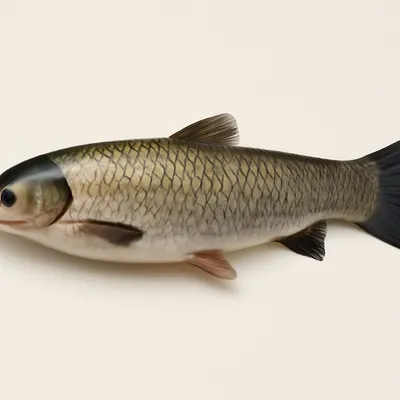



A traditional dish of Wenzhou's Ou cuisine (瓯菜), the Wenzhou branch of Zhejiang cooking. Its exact origin is undocumented; folklore ties the pounding technique to a temple novice who beat fish into thin sheets with a wooden fish-block, but this cannot be verified. It was historically made with large yellow croaker (黄鱼); the prized authentic fish is brown croaker (鮸鱼, mihai), now often replaced by cheaper, boneless grass carp. Together with 锦绣鱼丝 and 爆墨鱼花 it is counted among the 'Three Wonders of Ou Cuisine' (瓯菜三绝), and in September 2018 it was named one of Zhejiang's Ten Classic Dishes.
The fish ribbons are white and nearly translucent, springy and slick rather than flaky — they hold a clean bite without falling apart. The broth is clear and unclouded, savory from chicken stock and ham; the three shreds add gentle layers of meat, cured saltiness, and mushroom. A finishing film of chicken fat gives sheen and aroma without greasiness.
The pounding is the whole technique, and the starch makes it work. Raw fish protein alone tears; coated in starch and beaten with a mallet, the slab flattens while the starch granules absorb the fish's juices and bind with the myofibrillar protein, drawing it into a thin, cohesive sheet — repeated dusting and turning keep it from sticking and spread it ever thinner, to cicada-wing thinness. Blanching in just-boiling water sets that film: the starch gelatinizes and the protein firms, locking in a sheet that stays elastic rather than crumbling. Cut into ribbons, the result is the signature springy, slick 韧滑 texture, and because the starch holds the fish's moisture, the flavor and juiciness stay sealed in. The stock is kept clear and only lightly seasoned so nothing masks the fish's own sweetness.
Variations
Two main forms: the clear soup version (敲鱼汤), of which three-shred pounded fish is the classic, and the stir-fried version (炒敲鱼), where the ribbons are tossed with vegetables and seasonings over high heat. Fish choice varies by era and budget — large yellow croaker traditionally, prized brown croaker (鮸鱼) for the authentic version, and grass carp as the common modern substitute. The pounded sheets can also be dried and stored, then rehydrated before cooking.
On the Palate
Where Wenzhou Three-Shred Pounded Fish sits in the Chinese flavor cloud
Ingredients
Serves 3

How it's made
7 steps · 40 min active + 10 min waiting
- 18 min
Skin and debone the fish, then cut the fillet into thick squares about 5 cm across and 0.5 cm thick.
- 215 min
Dust the cutting board with dry starch, coat each piece in starch, and pound with a wooden mallet, dusting and turning repeatedly, until each slice is thin and translucent like a cicada wing.
Watch outKeep dusting starch and turning as you pound, working the slab thinner and thinner until it's cicada-wing translucent — bare fish tears; the starch is what binds it into a sheet.
- 34 min
Blanch the pounded sheets in just-boiling water until set, then transfer to cold water to cool and firm.
Watch outBlanch in just-boiling water only until the sheet sets, then straight into cold water — that sets the film elastic instead of letting it crumble.
- 44 min
Cut the cooled sheets crosswise into ribbons about 1 to 1.3 cm wide.
- 56 min
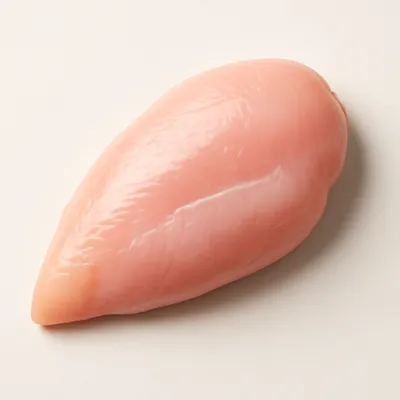
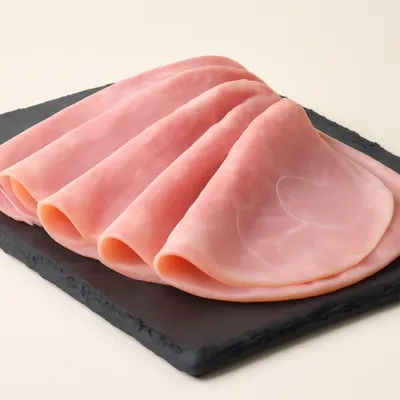
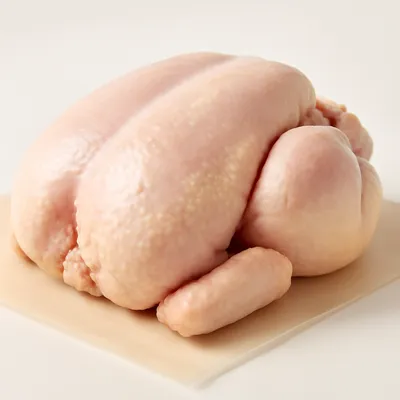
Prepare the three shreds: cook and shred chicken breast, ham, and soaked shiitake into fine strips.
- 63 min
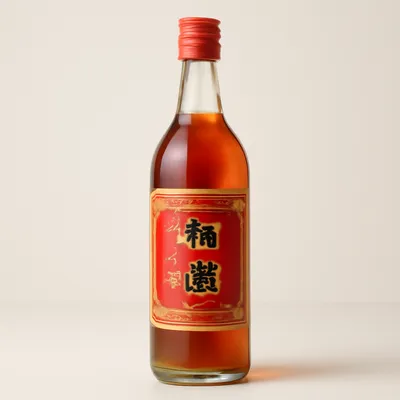
Bring clear chicken stock to a boil, add the fish ribbons with salt and Shaoxing wine, and bring back to a gentle boil.
- 73 min
Add the three shreds and a few leafy greens, season to taste, and finish with a drizzle of melted chicken fat before serving.
Archive tool suggestions — not reviewed
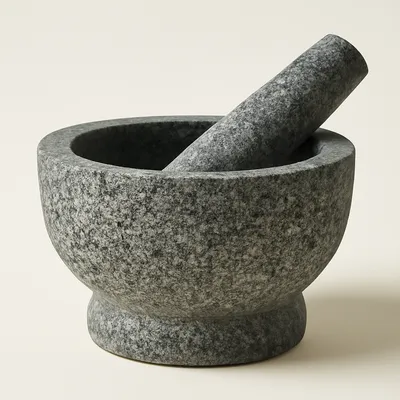
These legacy suggestions have not been evidence-reviewed and are not presented as required tools.