
Grabbed-fried pork tenderloin is one of the "four grabbed-fries" (四大抓) of the Beijing imperial-cuisine repertoire kept alive by the Fangshan restaurant. Pork tenderloin is sliced, seasoned, hand-coated ("grabbed") in a starch batter, deep-fried twice — once to cook through, once to crisp — then tossed for a few seconds in a bright sweet-and-sour sauce that is thickened to a glossy, clinging glaze. The finished dish is golden, crisp at the edge yet tender inside, with a taut, shiny sauce. It is the best known of the set, which also includes grabbed-fried fish slices, shrimp, and pork kidney.


Grabbed-fried pork tenderloin is a palace dish preserved by the Fangshan restaurant (仿膳饭庄) in Beijing's Beihai Park, which carries on dishes from the late-Qing imperial kitchens. It is the senior member of the "four grabbed-fries" — grabbed-fried tenderloin, fish slices, shrimp, and pork kidney. By the standard Fangshan telling, the dish and the technique are credited to a cook named Wang Yushan (王玉山), said to have improvised a battered, quick-tossed dish for the Empress Dowager Cixi and to have been dubbed the "grabbed-fry king" (抓炒王) for it; this origin story is consistently told as legend (相传) rather than as documented fact, and the exact date is unrecorded. What is consistent across accounts is the technique the name describes: 抓 for the batter worked onto the meat by hand, 炒 for the rapid finish in the sauce.
A good piece snaps at the edge and gives way to juicy, tender loin inside — the sauce sits on the crust as a thin, glossy film rather than soaking in. The flavor reads sweet-and-sour first, balanced and clean, then the savory of the pork. The slices should be golden and separate, each one taut and shiny; a few minutes later they should still have bite. Done badly, the crust goes limp because the sauce was too thin, too hot, or tossed too long, the sugar drawing moisture back into the batter so the whole plate turns soft and sticky.
The dish turns on a hand-worked starch batter and a double fry. The seasoned slices are "grabbed" — kneaded by hand in a thick starch slurry so each piece carries an even coat that will fry into a shell. The first fry, in moderately hot oil (about 六成热), cooks the pork through and sets the batter; a short rest lets trapped steam escape; the second fry, in hotter oil (about 八成热), drives off surface moisture and blisters the coat into a brittle, glassy crust. The sauce — sugar and vinegar balanced and lightly thickened with a starch slurry — is brought to a glossy, just-clinging state in the wok, then the hot slices are folded in off the heat for only a few seconds. The window is narrow: toss too long or in sauce too hot and the sugar pulls water from the crust, collapsing the crispness, which is the dish's classic failure.
Variations
The dish anchors the "four grabbed-fries" of the Fangshan canon: grabbed-fried fish slices (抓炒鱼片), grabbed-fried shrimp (抓炒虾仁, sometimes listed as 抓炒大虾), and grabbed-fried pork kidney (抓炒腰花) all use the same grab-batter-and-quick-toss method on a different main ingredient. The sweet-sour balance varies from cook to cook; some kitchens pad the sauce with a little tomato for color, a richer-redder reading purists regard as a departure from the clear imperial style. The technique is close kin to the savory 焦熘 (jiao-liu) braise-fries of the northern repertoire, differing in the hand-coated batter and the bright sweet-sour finish.
On the Palate
Where Grabbed-Fried Pork Tenderloin sits in the Chinese flavor cloud
Ingredients
Serves 3

How it's made
7 steps · 30 min active + 10 min waiting
- 18 min
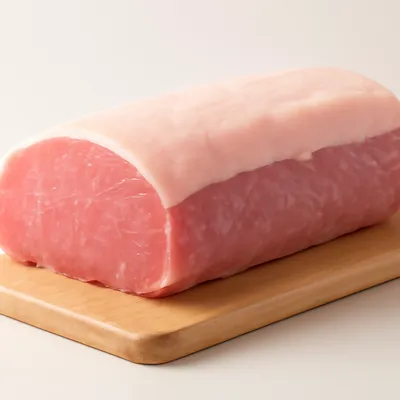
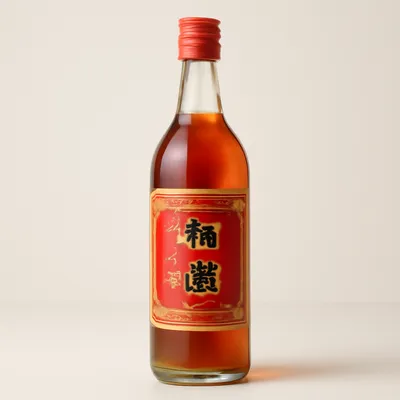
Slice pork tenderloin into thin, even pieces and season briefly with a little salt and Shaoxing wine.
- 24 min
Make a thick batter from potato or mung-bean starch and water; add it to the pork and knead by hand so every slice is evenly coated.
Watch outThe batter should be thick enough to cling in a heavy coat and slowly drip off the spoon — too thin and it sheds in the oil, too thick and the shell turns doughy.
- 36 min
Heat oil to about 60% hot (六成热) and fry the slices in batches just until cooked and set, then lift out.
Watch outSix-tenths oil is right when a chopstick sends up a steady stream of fine bubbles — the first fry just sets the coat and cooks it through, don't chase color yet.
- 44 min
Let the fried slices rest a few minutes so trapped steam escapes and they crisp.
- 54 min
Raise the oil to about 80% hot (八成热) and fry the slices a second time until golden and crisp; drain.
Watch outThe second fry at eight-tenths oil is where the crust turns glassy and blistered — it goes golden fast, so pull it the moment it crisps.
- 63 min
In a clean wok, combine sugar, vinegar, a little soy and stock, and a starch slurry; cook to a glossy, just-thick glaze.
Watch outCook the glaze only to where it turns glossy and just coats the spoon — boil it past that and the sugar seizes stringy.
- 71 min
Off the heat, add the hot crisp slices and toss for only a few seconds until coated; plate at once.


