
A cold-pan street dessert in which yogurt is poured onto a deeply frozen iron plate, spread thin, frozen in a minute or two, then chopped and scraped with spatulas into curled rolls. Fruit, nuts, oats, raisins or crushed biscuit are folded in as the sheet sets. The name comes only from the stir-frying motion, since nothing is actually heated. The result is silky and dense with a fine icy edge, tangy-sweet and cooling, a summer treat that rose with northern street stalls and short-video culture.
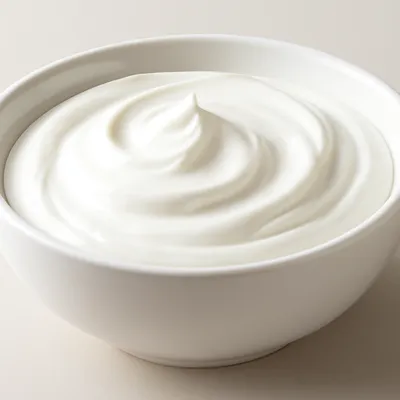

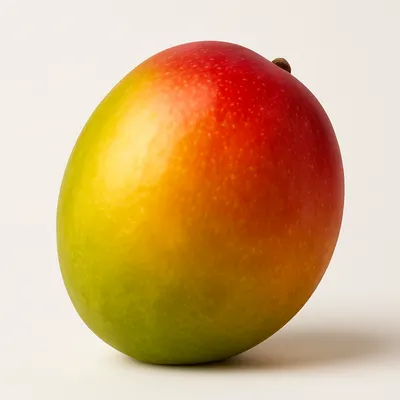

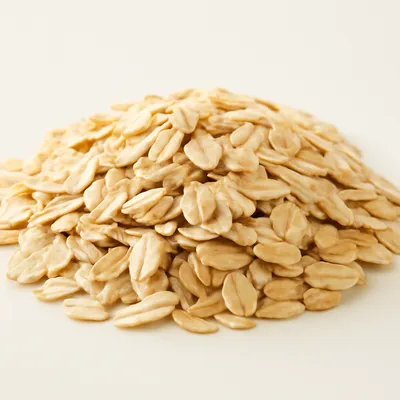
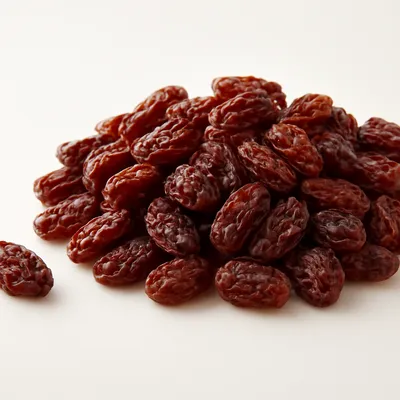
Stir-fried yogurt is a northern Chinese street dessert generally traced to Shandong, with accounts crediting a father and son in Jining who worked it out as a summer cold drink; it should not be confused with the dairy regions of the north, as the sources point to Shandong rather than the grasslands. By the mid-2010s it had become a fixture of night markets and university-gate stalls, made to order on a sub-zero pan. Its visible theater, the vendor pouring, freezing and scraping the yogurt into rolls, made it travel well through short-video and social platforms in those years. It is a distinct thing from the made-to-order yogurt-cup chains and from the strained thick-yogurt fad that came later.
Scraped fresh off the pan, the rolls are silky and dense with a faint shaved-ice graininess, half-frozen and half yielding rather than rock hard. The yogurt's lactic tang sits under the sweetness of sugar and fruit, the milk note rich and cooling. Big pieces of nut get nuttier as you chew, oats and crushed biscuit crunch, fruit chunks go soft and cold. Half the pleasure is watching it made, the vendor chopping and curling the frozen sheet with two spatulas at the cold plate.
Under the plate is not a flame but a refrigeration evaporator that pulls heat out of the yogurt, so it freezes the more you work it; commercial cold pans run to around minus forty degrees Celsius and can chill a load to about minus fifteen within half a minute. That fierce cooling is the whole trick: the yogurt freezes so fast that water has no time to grow large ice crystals, so countless tiny crystals form and the texture turns smooth and dense. A home freezer cools slowly, the crystals grow coarse, and the result is gritty with ice. The sourness is the yogurt's own lactic-acid fermentation, with sugar and fruit added for balance, and scraping the still-soft layer off the pan is what works it into rolls rather than a frozen brick.
Variations
The common fruits are strawberry, mango and red date, with banana and blueberry close behind; toppings run to crushed nuts, oats, biscuit crumbs, raisins and sesame. Early versions leaned on grains and cereals before fruit took over. It sits beside two cousins on the same cold-pan technique: plain chao-bing, frozen from fruit juice into a shaved ice, and Thai-style rolled ice cream, whose base is milk and cream rather than fermented yogurt, giving an ice-cream richness without the tang.
On the Palate
Where Stir-Fried Yogurt sits in the Chinese flavor cloud
Ingredients
Serves 2
How it's made
5 steps · 10 min active + 5 min waiting
- 15 min
Chill the cold pan down to its working temperature, well below freezing.
Watch outThe plate must be well below freezing before the yogurt touches it — a fierce fast chill grows tiny crystals for a smooth roll; too warm and it turns coarse and icy.
- 22 min
Pour yogurt onto the cold plate and spread it into a thin even sheet with a spatula.
- 32 min
As the sheet starts to freeze, scatter on chopped fruit and chop it through with the spatulas to fold it in.
- 43 min
Once the sheet is frozen but still pliable, run a spatula flat under it and curl it forward into rolls.
Watch outRoll while the sheet is frozen but still bends — wait until it's brittle-hard and it cracks instead of curling into clean rolls.
- 53 min
Stand the rolls upright in a cup and finish with nuts, oats, raisins and a drizzle of fruit or condensed milk.
Archive tool suggestions — not reviewed
These legacy suggestions have not been evidence-reviewed and are not presented as required tools.


