
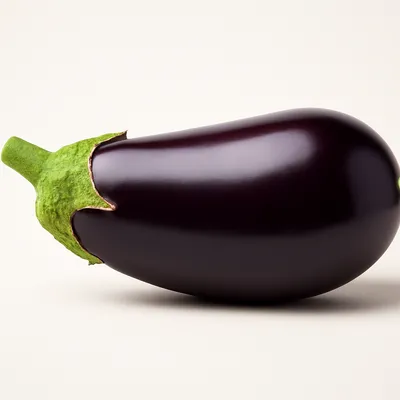
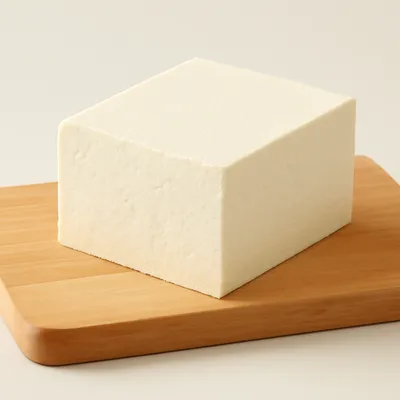
A classic Hong Kong dai pai dong and street-stall snack: three vegetable or tofu pieces packed with springy dace fish paste, pan-fried on a griddle, and eaten dipped in sweet soy sauce. The 'three treasures' are not fixed — the favourites are eggplant, green pepper and tofu, but stalls lay out a tray and let you pick any three from a wider spread that may include red sausage, shiitake, bitter melon or plain fish balls. The cut face of each piece is dusted with cornstarch, a mound of seasoned fish paste is pressed on, and the pieces are fried paste-side down to a golden crust, then turned to finish. Served hot, with a shallot-scented sweet soy dip and chili oil for those who want it.




Pan-fried stuffed three treasures is a Cantonese street-and-home dish of uncertain precise date; no source records a founding year or maker. It belongs to the broad Cantonese tradition of stuffing fish paste or meat into vegetables and tofu — the same technique family as the well-known stuffed tofu — and is rooted in the Cantonese heartland of Nanhai, Panyu and Shunde before spreading across Guangdong, Hong Kong and Macau. Its soul is freshly made dace (鲮鱼) paste, a hallmark of Shunde cookery, where the small bony freshwater fish is sliced thin to sever the bones, then minced and beaten into a fine springy gel. It should be distinguished from the Hakka stuffed three treasures (客家釀三寶), a separate dish using bitter melon, green pepper and eggplant stuffed with pork and tied to the Hakka stuffing tradition; the Hong Kong street version is the dace-paste one. Stalls historically sold it by the piece, 'three for seven dollars, four for ten.'
The first bite is the contrast. The fish-paste face has fried to a golden, lightly crisp skin; underneath it the paste is bouncy and resilient (爽口弹牙), snowy-white inside, and still juicy when you bite through. Against it the vegetable goes soft — the eggplant turning creamy and silky, the green pepper kept just-fried and fresh, the tofu soft and slightly puffed. Sweet soy and a touch of shallot oil round it. Done well, the paste sits springy and the inside stays white and moist while the outside browns; done badly, the paste is loose and mealy because it was over-padded with flour to cut cost, or it sloughs off the vegetable because the cut face was not floured to grip it.
The springiness is the food science. Fish flesh holds salt-soluble myofibrillar proteins, chiefly myosin; when the minced dace is worked with salt and beaten hard in one direction until it 'gels' (起胶), these proteins dissolve and unfold into a sticky sol, then cross-link on heating into an elastic, water-binding gel — the bounce of a good fish ball. Shunde cooks add a little ice water and keep their hands cool, because the warmth of the hand can loosen the paste and rob the cooked result of its snap. The cut face of each piece is dusted with cornstarch so the wet paste keys onto the smooth vegetable instead of slipping off; some cooks paint on a cornstarch slurry for the same grip. Pan-frying is deliberate and gentle — not much oil, low fire bringing the paste through and browning the surface to a golden, savory crust while the centre stays white and moist; high heat or deep frying is a shop variant. The browning is the usual dry-heat reaction of amino acids and sugars.
Variations
The 'three' are open: beyond eggplant, green pepper and tofu, stalls stuff shiitake, bell pepper, bitter melon, deep-fried intestine, red sausage and wonton skin with the same dace paste, and roll the bare paste into fish balls. The sweet soy dip ranges from a plain soy to a shallot-infused sweet soy built on light and dark soy, oyster sauce, sugar and fried shallot oil; chili oil is added to taste. Most stalls pan-fry in shallow oil, but some shops and overseas versions deep-fry for a crisper, near-tempura shell. It should not be confused with the Hakka stuffed three treasures, which uses bitter melon, green pepper and eggplant stuffed with pork, nor served with curry sauce, which belongs to the separate street snack of curry fish balls.
On the Palate
Where Pan-Fried Stuffed Three Treasures sits in the Chinese flavor cloud
Ingredients
Serves 3
How it's made
7 steps · 30 min active + 10 min waiting
- 112 min
Slice dace thinly to cut through its fine bones, then mince it; work the minced fish with salt, a little water and seasoning, beating hard in one direction until the paste turns sticky and springy (起胶).
Watch outBeat the minced fish hard in one direction until the paste turns sticky and springy (起胶) — keep your hands cool; the warmth loosens the gel and robs the finished bite of its snap.
- 25 min
Halve and core the green peppers, cut the eggplant into thick pieces and slit a pocket, and cut the tofu into blocks.
- 33 min
Pat the cut faces of the vegetables and tofu dry, then dust them lightly with cornstarch.
Watch outPat the cut faces dry and dust with cornstarch — this is what keys the wet fish paste onto the smooth vegetable so it doesn't slide off in the pan.
- 44 min
Press a generous mound of the fish paste onto each cut face, smoothing it flat.
- 56 min
Heat a little oil in a flat pan over low-to-medium heat and lay the pieces in paste-side down; fry until the paste is golden and set.
Watch outLay the pieces paste-side down over low-to-medium heat and fry until the paste is golden and set before turning — flip too early and it tears away.
- 65 min
Turn the pieces and fry the other side until the vegetable is soft and everything is cooked through.
- 73 min
Mix a sweet soy dip from light and dark soy, oyster sauce, sugar, water and fried shallot oil; serve the pieces hot with the dip and chili oil on the side.


