
A Guizhou home hotpot built on a base of mashed kidney beans: speckled flower-beans soaked overnight and boiled soft until they half-collapse into a thick, starchy, faintly sweet broth, then turned with fermented pickled chili and lard into a base both creamy and gently sour-hot. You simmer pork belly, greens, potato and whatever else at the table in it, and dip each bite in a fish-mint sauce. The pull of the dish is the texture — the soft bean kernels and their velvety, clinging soup, warming and homely, the kind of pot a Guizhou family huddles around in winter.
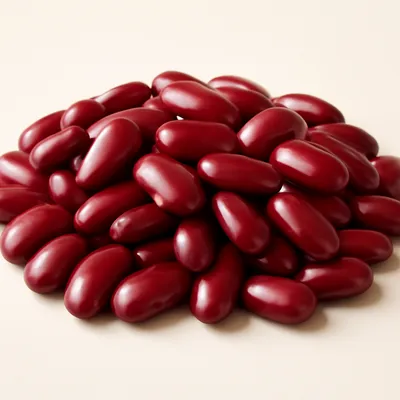




Bean-paste hotpot is a Guizhou home-style hotpot, an everyday family pot rather than a restaurant invention, grown from the province's own larder — dried kidney beans, fermented pickled chili and pickle-soured flavors. It belongs to the wider southwestern hotpot world but is distinctly Guizhou in leaning not on a fiery oil broth but on a thick, starchy bean base lifted with zao-lajiao, the province's fermented red-chili paste. Long an ordinary winter supper cooked at home, it has since spread to Guizhou restaurants as a regional specialty, but its character stays homely: cheap beans cooked down to comfort, the pot the family gathers round on a cold night.
It is all about the bean base. The flower-beans cook down until the kernels go soft and floury, some bursting to thicken the broth into something between a soup and a loose porridge — velvety, clinging, faintly sweet and nutty. Against that softness the zao-lajiao brings a fermented sour-hot lift, bright and tangy rather than scorching, with the savory depth of lard underneath. The pork belly and greens you cook in it come out coated in the starchy soup. Then the fish-mint dipping sauce sharpens each bite with something cold, sour and peppery. Warming, soft-textured, mild but layered — comfort food, not a fire-breather.
The base is a lesson in starch. Dried kidney beans are soaked overnight to rehydrate, then boiled long and slow until the cell walls break down and the beans go soft; as they cook, their starch granules gelatinize and leach out, some kernels bursting, and the freed starch thickens the broth into its signature creamy, clinging body — no flour or thickener needed, the beans do it themselves. Lard fries the aromatics and the zao-lajiao to bloom their flavor and carry the chili's color into the fat, and the fermented chili paste lends a complex lactic sourness and gentle heat that a fresh chili could not, the product of its own pickling fermentation. The pot is then kept at a simmer so diners poach ingredients in it; starchy and savory, the broth clings to and seasons everything cooked in it, while the cold fish-mint dip adds a raw, volatile freshness at the end.
Variations
The bean is the variable — speckled flower-beans are classic, but red or white kidney beans serve, and how far you mash them sets the pot anywhere from brothy to nearly a porridge. Many cooks build extra savor with ham, cured pork or a pork-bone stock; the zao-lajiao can be dialed up or a fresh sour-soup note added. What you cook in it is open: pork belly, blood curd, potato, leafy greens, tofu, noodles or rice tipped in at the end to soak up the thickened broth. The dipping sauce is personal but almost always fish-mint-forward with chili and fermented bean curd. The same bean base also appears outside the hotpot as a soupy braise.
On the Palate
Where Bean-Paste Hotpot sits in the Chinese flavor cloud
Ingredients
Serves 4


How it's made
8 steps · 3 hours
- 1600 min
Soak dried flower kidney beans overnight until fully swollen.
- 275 min
Boil the beans in plenty of water over low heat for an hour or more, until soft and floury and some kernels burst to thicken the liquid; keep the starchy bean broth.
Watch outBoil the beans until floury and some kernels burst — the freed starch is what thickens the broth creamy; stop too soon and the base stays thin and watery.
- 38 min
Render a little lard in a pot and fry ginger, garlic and the fermented pickled chili until fragrant and the oil turns red.
Watch outFry the aromatics and pickled chili until the oil turns red — that bloomed chili oil carries the color and fermented sourness into the whole base.
- 420 min
Tip the cooked beans and their broth into the pot, season with salt and simmer into a thick, creamy, gently sour-hot base.
- 58 min
Mix the dipping sauce: chopped fish-mint root with chili oil, light soy and fermented bean curd, one bowl per diner.
- 615 min
Prepare the cook-in ingredients: slice pork belly, cut potato and greens, ready blood curd and tofu.
- 720 min
Bring the bean base to a simmer at the table and poach the pork belly and vegetables in it to taste.
- 810 min
Eat each piece dipped in the fish-mint sauce, and tip noodles or rice into the thickened broth at the end.
Archive tool suggestions — not reviewed
These legacy suggestions have not been evidence-reviewed and are not presented as required tools.


