Bite-sized sweet rice balls from Chongqing's Yuzhong District, each no larger than a longan and white as pearl — 山城, 'Mountain City', is the old poet's name for Chongqing. The skin is made by the diaojiang hung-slurry method: glutinous rice soaked for days, stone-ground into a fine slurry, then hung in cloth to drain, producing a dough that is simultaneously silky and springy. A filling of pork fatback, black sesame powder, sugar, and walnut melts on contact with heat, releasing a warm, flowing sweetness. Brought from Zhejiang to Chongqing by migrants during the wartime inland migration era and locally adapted, the snack was designated a Chinese Famous Snack in 1997 and inscribed on Chongqing's municipal intangible cultural heritage list in 2019.


The recipe originates in Zhejiang and was carried to Chongqing during the wartime inland migration (抗战内迁) of the 1930s–40s. It is attributed to a Zhejiang couple — reportedly Hangzhou-born Chen Xiuqing and her husband, a man surnamed Yu from Zhejiang (sources give slightly different characters for his given name: Yu Guohua or Yu Guohua) — who set up a stall on Bao'an Road (today's Bayi Road) in Yuzhong District. They adapted the dish to local tastes: the balls were reduced from roughly five centimetres to about two and a half, sparing the Chongqing working-class customer a scalded tongue; local black-pig fatback replaced leaf lard; and the Chongqing hung-slurry grinding technique gave the skin a sturdier, more elastic character. Originally sold as 'Hangzhou Tangyuan' (杭州小汤圆), the name was later changed to 'Shancheng Tangyuan' to claim the Mountain City as its home. The brand received the Chinese Famous Snack designation in 1997 and entered Chongqing's municipal intangible cultural heritage list in 2019.
Each ball arrives in the bowl white and glistening, barely bigger than a longan, floating in clear broth. The skin is thin yet springy — a single bite opens it cleanly, and the pork fatback–black sesame filling, already melted to a warm paste, flows out fragrant and oily. The sweetness is round without cloying. A bowl of six or eight vanishes in minutes; what lingers is the lightly toasted scent of sesame.
The skin uses the diaojiang (吊浆) hung-slurry method: glutinous rice is soaked three to seven days until each grain crushes between the fingers, then stone-ground with water into a fine slurry, poured into cloth bags, and hung to drain for several hours. The extended soak allows starch granules to hydrate fully; stone-grinding preserves starch chain integrity better than dry-milling; slow draining removes excess free water while retaining the moisture essential for elasticity, yielding a dough far more supple and tear-resistant than commercial dry-milled rice flour. The filling relies on solid pork fatback (猪膘油): kneaded with black sesame powder and sugar into firm cubes at room temperature, then melting instantly in boiling water to release a flowing, fragrant centre. Cooking calls for a rolling boil followed by a ladle of cold water once the balls float, calming the boil just enough to prevent the thin skin from bursting.
Variations
The classic filling is black sesame and pork fatback; modern shops offer soy flour, peanut, rose-paste, and osmanthus variants. Some vendors serve the tangyuan in sweet osmanthus-sugar broth or sprinkle crushed roasted peanuts on top. Frozen retail versions are widely sold in Chongqing supermarkets, though hand-formed stall versions — made with the traditional hung-slurry technique — retain a markedly more elastic and fine-textured skin.
On the Palate
Where Shancheng Small Tangyuan sits in the Chinese flavor cloud
Ingredients
Serves 4How it's made
6 steps · 1 hour 15 min active + 3 days 5 hours waiting
- 14320 min
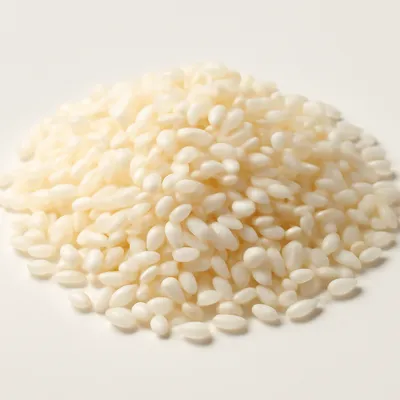
Rinse 500 g glutinous rice and soak in cold water for 3 days, changing the water once daily to prevent souring. The rice is ready when each grain crushes easily between the fingers.
Watch outThe soak is done only when a grain crushes to paste between two fingers with no hard speck — under-soaked rice grinds gritty and the skin tears when wrapped.
- 2300 min
Drain the soaked rice. Stone-grind (or blend at highest speed) with just enough cold water to form a smooth, fine slurry. Pour into a cloth bag, tie tightly, and hang to drain for 4–6 hours until the mass is firm but pliable — this is the hung-slurry dough.
Watch outHang the slurry bag until the dough is firm enough to hold a shape but still bends without cracking — too wet and it slumps, too dry and it splits when you seal the ball.
- 330 min
Toast 60 g black sesame seeds in a dry pan over low heat, stirring constantly, until fragrant and no longer steaming. Cool, then grind coarsely. Dice 100 g pork fatback into small pieces. Combine sesame powder, pork fatback, 120 g sugar, and 40 g roughly-chopped walnuts; knead until cohesive and smooth. Press flat and cut into 1.5 cm cubes. Refrigerate until firm.
- 415 min
Work a small amount of cold water into the hung-slurry dough and knead until smooth and non-sticky. Divide into portions of about 15 g each; cover with a damp cloth to prevent drying.
- 520 min
Flatten each dough portion into a thin disc. Centre one filling cube on it, fold the edges up, pinch firmly to seal, and roll between palms into a smooth sphere about 2.5 cm across. Repeat for all pieces.
- 610 min
Bring a large pot of water to a rolling boil. Lower the tangyuan in gently. Once they float to the surface, add one ladle of cold water to calm the boil. When the water returns to a boil, serve immediately in the broth — skin should look faintly translucent and the broth clear.
Watch outThey're done the moment they bob up and the skin turns faintly see-through — boil them longer and the thin skin splits and the filling leaks out.
Archive tool suggestions — not reviewed
These legacy suggestions have not been evidence-reviewed and are not presented as required tools.


