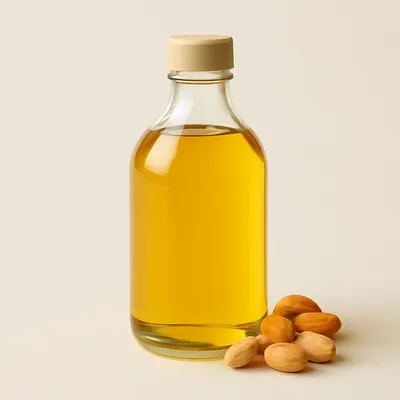
Skin-on pork belly from Bobai County poached at a barely trembling simmer until just cooked through, then chilled and sliced cold — the Hakka technique that lets the pork speak for itself, served with a layered dipping sauce of Kemu sun-dried soy sauce, roasted peanut oil, and raw garlic.





Bobai County in Yulin, Guangxi, is widely recognized as the world's largest Hakka-populated county (世界客家第一大县) with a county history of over 1,400 years. According to oral tradition documented in the Yulin Daily (April 2023) and reported by Xinhua Guangxi (August 2023), the technique traces to Qingming tomb-sweeping rituals: Hakka families carried whole poached chickens and pork joints up the mountain as ancestral offerings; after the ceremony they sliced the already-cooked meats on site and ate them dipped in coarse salt — a necessity born of mountain labor that over generations evolved into Bobai's distinctive white-cut cuisine. The essential condiment, Kemu light soy sauce (柯木生抽), brewed from soybeans fermented in clay jars and sun-dried outdoors for over a year in Bobai's subtropical climate, is a prized traditional condiment that defines the flavor character of Bobai white-cut. White-cut restaurants have spread with Bobai's Hakka diaspora across Guangxi and beyond, becoming a significant vehicle for the county's culinary identity.
Paper-thin slices of pork belly, cold and silky — the fat has set just firm enough to melt without greasiness the moment it hits the tongue. The dipping sauce layers fermented soy depth, warm peanut roundness, and a raw garlic spike that lifts every bite clean.
Poaching at ~92–95°C (just below a rolling boil) minimizes turbulence: muscle proteins denature and firm progressively without violent agitation that would cause fibers to over-contract and expel moisture. Intramuscular fat stays in discrete pockets rather than emulsifying into the cooking liquid, preserving the lean-and-fat alternation that defines sliced pork belly. Collagen in the skin and rind begins converting to gelatin after 45–60 minutes, producing a faint elastic quality in cold slices. The ice-water quench halts carryover cooking and causes rapid skin contraction, yielding a glossy, near-translucent surface. Kemu soy sauce's Maillard-derived melanoidins and free glutamate deliver layered umami; roasted peanut oil's pyrazines add a nutty dimension; raw garlic's allicin compounds provide sharp front-of-mouth heat that immediately lifts fat richness.
Variations
White-cut goose (白切鹅, a Hakka festive staple with firm, dark-fleshed meat); white-cut chicken with ginger-scallion oil (白切鸡); white-cut pork trotters with vinegar dipping sauce (白切猪手).
On the Palate
Where Bobai White-Cut Pork sits in the Chinese flavor cloud
Ingredients
Serves 4
How it's made
7 steps · 10 min
- 15 min
Choose a single skin-on pork belly piece or 隔山肉 (pork collar-belly), about 800 g; leave whole and untrimmed.
- 23 min
Bring a pot of water to a full boil with ginger and scallion; submerge the pork, immediately reduce to the lowest possible simmer (~93°C, surface barely trembling).
Watch outDrop to the lowest simmer the moment the pork goes in — around 93°C, the surface barely trembling; a boil contracts the fibers and squeezes the belly dry.
- 340 min
Poach covered for 35–40 minutes; test doneness by piercing the thickest point with a chopstick — it should meet no resistance and release clear juices.
Watch outTest the thickest point with a chopstick — no resistance and clear juice means done; guessing here leaves it pink or overcooked.
- 45 min
Lift the pork out immediately and plunge into a bowl of iced water; hold for 5 minutes to stop carryover cooking and tighten the skin.
- 55 min
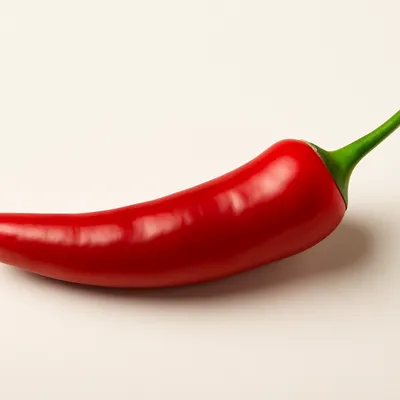
Make the dipping sauce: stir together Kemu light soy sauce, warm roasted peanut oil, minced raw garlic, and crushed fried peanuts; add sliced scallion and optional red chili.
- 630 min
Pat the pork dry and refrigerate uncovered for 30 minutes to firm the fat and allow the skin to turn glossy.
- 75 min
Slice very thinly (3–4 mm) against the grain; arrange skin-side-up on a platter and serve with dipping sauce on the side.
Watch outSlice a thin 3–4 mm against the grain — thick slices chew tough; thin ones let the lean-and-fat layers show.
Archive tool suggestions — not reviewed
These legacy suggestions have not been evidence-reviewed and are not presented as required tools.



