Thick cuts of pork belly sealed in an earthenware jar with soy sauce, rock sugar, ginger, and five warming spices, then braised over the lowest flame for four to five hours until fat melts to silk and collagen turns the sauce lacquer-thick. Rooted in Manchu hunting culture and refined by Chengde's Qing-era restaurants, this is slow food in its most elemental form.


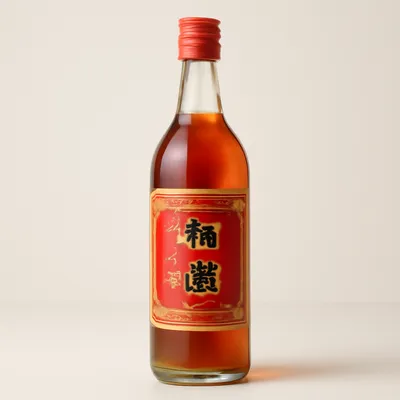


Jar-braising is rooted in the Manchu pre-dynastic hunting tradition, when game animals — wild boar, roe deer, and gazelle — were slow-cooked in sealed clay jars over a wood fire in the field. Regional culinary histories record a tradition that the Regent Dorgon, who stayed at Karah Khoton Palace in Chengde, had game prepared this way, though this account appears in local food lore rather than court documents. The technique survived the transition from wild game to domestic pork; by the late Qing and early Republic period, the Guangdele restaurant in Chengde had made jar-braised pork a house speciality, formalising the recipe that cooks use today.
The pork surrenders without resistance — fat layers dissolve on the tongue, and the lean strands are so tender they barely need chewing. The sauce is profoundly savoury, with a bittersweet caramel undertow from the rock sugar and a faint warmth from the spice braising, nothing sharp or insistent.
Sealing the jar traps steam, creating a mild pressure that raises the braising temperature slightly above 100 °C — accelerating collagen hydrolysis in the pork skin and connective tissue. After 4–5 hours above 85 °C, triple-helix collagen molecules unravel completely into gelatin, thickening the sauce to a glaze. The Maillard-browned soy-sugar marinade provides melanoidin pigments that stain the meat deep mahogany, while rock sugar undergoes partial caramelisation above 160 °C on the jar's hot base, adding a bittersweet, slightly bitter finish.
Variations
Hunters in rural Chengde still make a wild game version using roe deer or wild boar, with heavier spicing to manage the stronger flavour. Some recipes add fermented red tofu (nanru) to deepen the colour and add mild umami. A lamb version made with identical spicing is popular among Manchu communities north of Chengde.
On the Palate
Where Jar-Braised Pork sits in the Chinese flavor cloud
Ingredients
Serves 4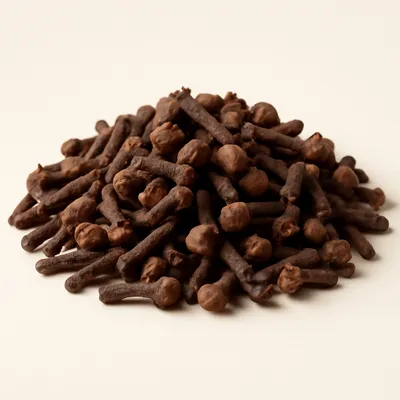



How it's made
7 steps · 20 min
- 110 min
Cut pork belly into tile-shaped pieces about 5 cm square and 2 cm thick. Blanch in boiling water for 3 minutes; drain and pat dry.
- 260 min
Mix soy sauce, Shaoxing wine, sugar, salt, and Sichuan peppercorn water into a marinade. Add pork pieces and marinate for 1 hour at room temperature, turning occasionally.
- 35 min
In a wok over medium heat, melt rock sugar in a little oil, stirring until it becomes a light amber caramel. Add the drained pork pieces and turn to coat in the caramel glaze.
Watch outMelt the rock sugar to light amber caramel and coat the pork — one shade past and the caramel turns bitter through the whole braise.
- 45 min
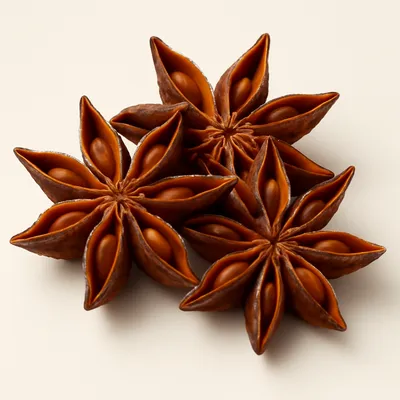
Transfer pork and remaining marinade to a clay jar or heavy earthenware pot. Add stock to just cover the meat; tuck in ginger slices, star anise, cinnamon stick, and cloves.
- 55 min
Seal the jar tightly — traditionally with a thick flour-water paste pressed around the rim; a tight-fitting lid also works. Bring to high heat until steam escapes, then immediately reduce to the lowest possible flame.
Watch outSeal the jar tight and drop to the lowest flame the instant steam escapes — the trapped steam raises the heat past 100°C and melts the collagen to glaze.
- 6270 min
Braise on the lowest heat for 4–5 hours; the contents should barely tremble. The traditional check: balance a small bowl of water and millet on the lid — the dish is done when the millet becomes porridge.
Watch outBraise 4–5 hours with the contents barely trembling — a real boil breaks the pork apart; the millet-to-porridge check tells you it's done.
- 75 min
Carefully unseal the jar; gently lift pork pieces onto a serving dish. Spoon the reduced, syrupy sauce over the top. Serve with steamed rice or plain steamed buns.
Archive tool suggestions — not reviewed
These legacy suggestions have not been evidence-reviewed and are not presented as required tools.



