Maccheroni dolci con le noci is a festive sweet pasta from Umbria, especially the Ternano district around Terni, laid on the Christmas Eve and All Souls' table. Ordinary long pasta is boiled soft, drained, and dressed while still warm with a crumbly mixture of ground walnuts, sugar, grated dark chocolate, breadcrumbs, cinnamon, nutmeg, and lemon zest, then moistened with scarlet alkermes liqueur and stacked in layers like a cake. Left to steep for hours—better still the next day—it is served cold at meal's end and lifted with a slotted spatula. A frugal everyday pasta turned holiday dolce, once sweetened with honey; the Terni version stands out for its lavish grated chocolate.
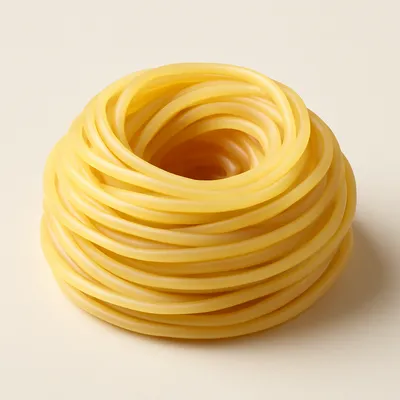


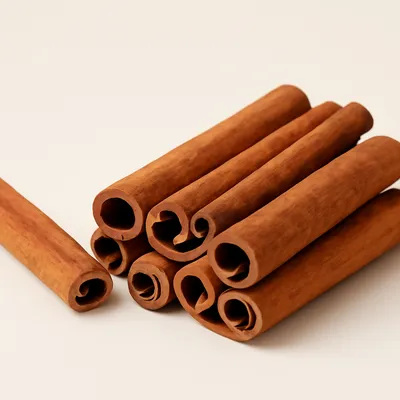
The dish belongs to the cucina povera of central Italy's hill country, where a plate of everyday boiled pasta was turned into a holiday sweet by dressing it with the pantry's festive luxuries: walnuts from the autumn harvest, sugar or honey, spice, and chocolate. It is documented across Umbria, the Tuscia of northern Lazio around Viterbo, and the Marche, and is eaten from Christmas Eve through Epiphany, then again for All Saints' and the Day of the Dead in early November, when families remember the departed. Older recipes call for egg-free long pasta—maltagliati, reginette, strangozzi—rolled by hand, and sweetened with honey before refined sugar was common; in Trevi and Spoleto soft flour-and-water gnocchi stand in for the strands. The Ternano tradition is marked by a generous hand with grated dark chocolate and a dousing of scarlet alkermes, the spiced liqueur that tints the pasta rose and perfumes the whole dish.
Cold and yielding, the soft pasta carries a sweet, crumbly coat: toasted walnut and dark chocolate up front, warm cinnamon and nutmeg behind, a lift of lemon, and the faint boozy perfume of alkermes. Bready crumbs and ground nuts give a sandy, cake-like bite, so each forkful is dense, spiced, and confection-sweet rather than savory.
Boiling gelatinises the pasta's starch; as the drained pasta cools, its amylose molecules re-associate and partially recrystallise—starch retrogradation—which firms the strands, cuts their stickiness, and lets the layered mass hold a sliceable, cake-like shape. Retrogradation continues over time, which is why the dish is served cold and improves after a night's rest. The dressing goes on while the pasta is still hot: residual surface heat and moisture melt a little chocolate and begin dissolving the sugar, so the crumbs cling. Ground walnuts are roughly 65% oil, largely polyunsaturated; grinding ruptures their cells and releases that oil to coat the strands and carry fat-soluble aromatics. Alkermes contributes ethanol, which dissolves and distributes the volatile flavour compounds—cinnamaldehyde from cinnamon, myristicin from nutmeg, limonene from lemon zest—along with the cochineal-derived red that tints the pasta. During the long steep, hygroscopic sugar draws and redistributes moisture through the layers while breadcrumbs absorb excess liquid from the pasta and liqueur, keeping the texture crumbly rather than wet as the flavours equilibrate.
Variations
Beyond the Ternano style heavy with chocolate and alkermes, the sweet is made throughout central Italy with local flourishes: the Tuscia of Viterbo folds in grated spiced honey-bread and crumbled wine biscuits; some cooks use cocoa, rum, or the anise liqueur mistrà in place of alkermes and scatter candied peel or coloured sugar drops over the top. In Trevi and Spoleto soft flour-and-water gnocchi replace the long pasta. Pasta shapes range from maltagliati and lasagne to reginette and strangozzi. The dressing can be tossed through loosely or pressed into a mould and turned out as a chilled timbale.
On the Palate
Where Maccheroni dolci con le noci sits in the Italian flavor cloud
Ingredients
Serves 6

How it's made
7 steps · 20 min
- 110 min
Shell the walnuts and grind or chop them finely; for deeper flavour, toast them briefly in a dry pan first and let them cool.
- 25 min
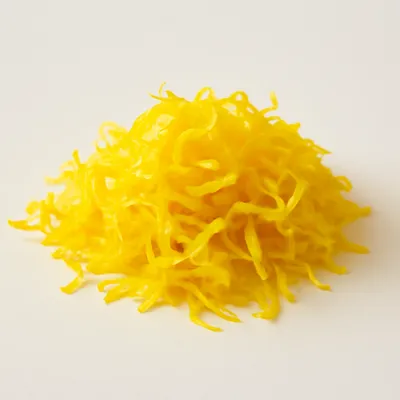
In a large bowl, mix the ground walnuts with the sugar, grated dark chocolate, breadcrumbs, ground cinnamon, freshly grated nutmeg, and grated lemon zest to a crumbly, even dressing, then set aside.
- 312 min
Bring a large pot of unsalted water to a rolling boil and cook the long pasta a minute or two past al dente, until fully soft, then drain well without rinsing.
Watch outBoil the pasta a minute past al dente to fully soft — this cold layered 'cake' needs tender strands, and it firms as it rests, so undercooked stays chalky.
- 43 min
Tip the hot pasta into a bowl, drizzle over half the alkermes, and toss gently so every strand is moistened and tinted rose.
Watch outToss the alkermes through while the pasta is still hot so every strand drinks it in and tints rose — on cold pasta it just pools at the bottom.
- 59 min
Spread a layer of pasta in a serving dish, scatter generously with the walnut dressing, and drizzle with a little more alkermes; repeat, building layers like a cake and finishing with a thick blanket of dressing.
- 6240 min
Press the surface lightly, cover, and rest in a cool place or the refrigerator at least 4 hours, ideally overnight, so the flavours meld and the pasta firms.
Watch outRest it cold at least four hours, ideally overnight — the starch needs that time to firm the mass into sliceable layers and let the flavors meld.
- 73 min
Serve cold, lifting portions with a slotted spatula, and finish each plate with a little extra grated chocolate and a few walnut halves.
Archive tool suggestions — not reviewed
These legacy suggestions have not been evidence-reviewed and are not presented as required tools.



