
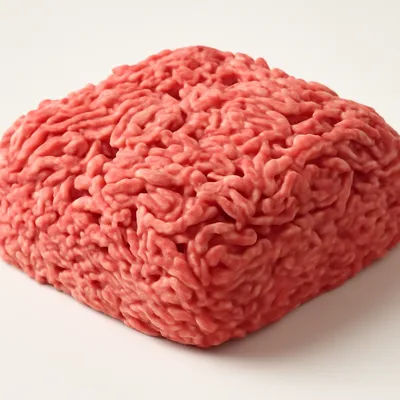
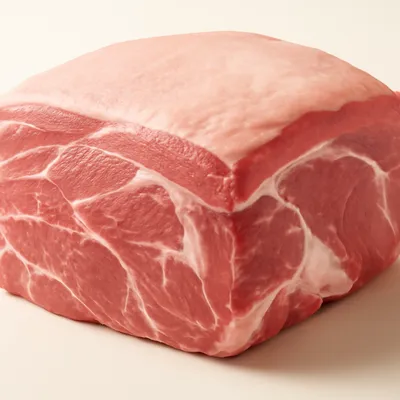
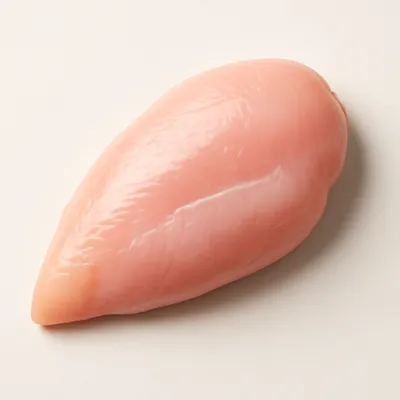
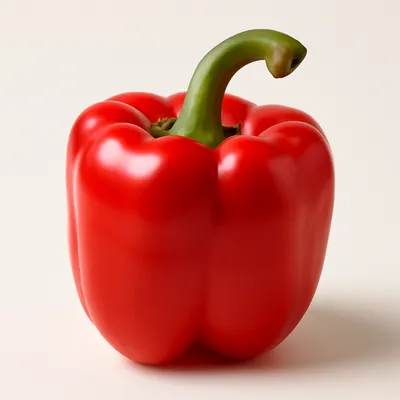
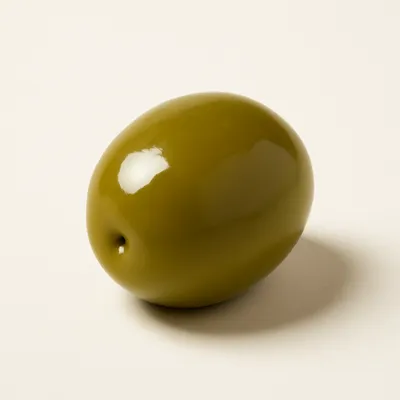
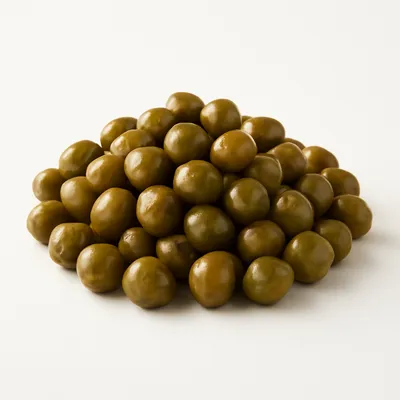
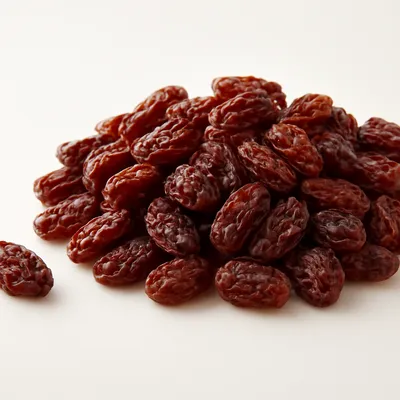
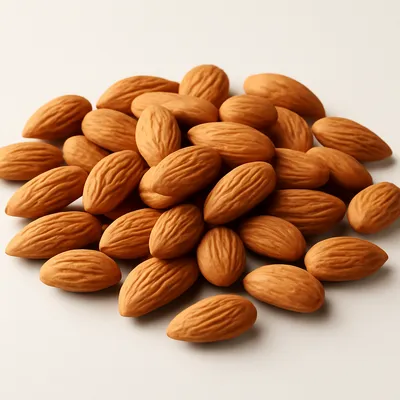
Venezuela's Christmas centerpiece — a corn-dough (masa) tinted golden with annatto-infused oil (onoto), spread on softened plantain leaves and wrapped around a long-simmered stew (guiso) of beef, pork and chicken studded with olives, capers, raisins, almonds and bell peppers, then folded into a rectangular parcel, tied with string and boiled. A baroque collision of indigenous, Spanish and African ingredients in a single leaf.


The hallaca descends from the indigenous practice of wrapping corn dough in plantain leaves, and took its present form in pre-Christmas colonial kitchens where European, African and native Venezuelan ingredients converged. Today it is a nationwide Christmas symbol: from December onward, whole families gather to assemble them in a shared production line (each person to a task), turning out dozens or hundreds at a time to share and to last the season.
Untie a hallaca on Christmas Eve — the plantain leaf perfumes the masa, which is dense and orange-tinged from annatto. The guiso is rich and complex: meat-savory, raisin-sweet, olive- and caper-briny, almond-crunchy. Each bite is a small archaeology of Venezuelan history.
Boiling (vs. steaming) cooks the dense parcel evenly under water; the double leaf wrap and cross-tied string contain the pressure so it doesn't burst open. The guiso is simmered ahead and rested overnight to let flavors meld — fresh guiso tastes 'thin,' rested guiso is the legendary depth. Cannot be rushed.
Variations
Hallaca Andina (Táchira/Mérida/Trujillo — guiso added raw, with chickpeas and cumin, cinnamon and nutmeg). Hallaca Caraqueña (the central/Caracas style — guiso cooked with wine and papelón for a sweet note; olives, raisins, capers as garnish). Hallaca Oriental (Sucre/Anzoátegui/Monagas/Bolívar — breaks with tradition using fish and seafood such as ray, chucho, cazón dogfish, mussels and scallops, plus potato slices and hard-boiled egg). Hallaca Margariteña (Margarita Island — cazón shark with egg and potato; a notably thin, compact dough, tied by crossing the string like a gift). Hallaca Llanera (Barinas/Apure — like the Caracas version but with fewer ingredients and a spicy touch, sometimes with fried ripe plantain and chicken giblets).
On the Palate
Where Hallaca sits in the Venezuelan flavor cloud
Ingredients
Serves 12



How it's made
8 steps · 3 hours active + 3 hours waiting
- 1130 min
Day 1 — Guiso (stew): cube 1 kg beef + 1 kg pork + 500g chicken. Sauté with onion, leek, bell pepper, garlic. Add tomato, capers, olives, raisins, paprika, cumin. Simmer 2 hours until thick. Cool overnight.
Watch outThe guiso is done when it's thick enough to mound on a spoon, not soupy — then cool it overnight before you touch it again.
- 215 min
Day 2 — Masa: mix 1 kg masarepa with 4 cups warm broth from cooking the meat, 1/2 cup annatto oil (for color), salt. Knead to soft pliable dough.
Watch outThe masa is ready when it's soft and pliable and no longer cracks at the edges when you press it flat.
- 320 min
Prepare adornos: thin slices of bell pepper, olive halves, raisins, blanched almonds, hard-boiled egg slices, slivers of cooked chicken.
- 415 min
Soften 24 plantain-leaf rectangles (25cm × 30cm) over a flame. Brush each with annatto oil.
- 530 min
On each leaf: spread 100g masa into a 15cm rectangle. Spoon 4 tbsp guiso onto center. Add adornos (3 olive halves, 2 raisins, almonds, pepper, egg slice).
- 630 min
Fold leaf to enclose (envelope-style). Wrap in a second leaf for security. Tie with cooking string in 5 directions (north-south, east-west, and diagonal).
Watch outTie until the string bites slightly into the leaf — snug enough that the parcel feels firm all over, not loose.
- 760 min
Boil hallacas in batches in a large pot of salted water for 60 minutes. Lift out, drain.
Watch outKeep the water at a steady rolling boil the whole hour; if it drops to a bare simmer the centers stay dense and gummy.
- 860 min
Unwrap at the table; eat with ham bread, Russian salad, and pernil pork roast.
Archive tool suggestions — not reviewed
These legacy suggestions have not been evidence-reviewed and are not presented as required tools.


