
Venezuelan-Italian baked pasta — Italian lasagna adapted with criollo signature: a meat sauce sweetened with raisins and bell pepper, a layer of ham, a béchamel-cream layer, mozzarella crown. The Sunday-lunch centerpiece across mountain Venezuela.




Lasagna came to Venezuela with Italian immigrants. A first group settled the Andes (Mérida, Trujillo) as early as 1837, but the dish became a national staple through the great post-WWII wave: under the dictatorship of Marcos Pérez Jiménez, with oil money fueling a construction boom, Italians poured in — most heavily in 1947–48 and steadily through the 1950s, more than 300,000 in all; by the 1961 census Italians were the largest European community in the country, surpassing the Spanish, with nearly 100,000 in Caracas alone. The name "pasticho" was not coined in Venezuela: it comes straight from the Italian "pasticcio," rendered as it sounds in Italian, and in northeastern Italy's Veneto "pasticcio" and "lasagna" are synonyms — fittingly, the Venezuelan version resembles the Veneto pasticcio (with ham and mozzarella, which southern Italian lasagna omits). Venezuelan cooks then added raisins and ham and swapped a softer béchamel for the Italian ricotta to create the criollo version, now eaten universally on Sundays.
Slice into the pasticho — layers of pasta, meat-sweet-with-raisin-and-pepper sauce, a ribbon of pink ham, silky béchamel, melted mozzarella stretching as the spoon lifts. Italian-Venezuelan Sunday made tangible.
The béchamel is the dish's backbone — a starch-thickened milk emulsion. Butter first cooks the flour into a roux, coating each starch granule in fat so the milk won't form lumps; once the sauce reaches about 60–70°C the granules swell and burst, releasing amylose and amylopectin that weave a network trapping the milk, and the sauce thickens. That starch network is what binds pasta, meat sauce, and ham into one sliceable block and supplies the richness Italian ricotta gives the original. The criollo version skips the Italian wine reduction and instead sweetens the meat sauce with raisins and bell pepper, pulling the flavor toward Venezuelan-Caribbean. Baking drives off surface moisture and sets a browned crust of mozzarella and Parmesan on top; resting 15 minutes after baking lets the starch network cool and firm so the slices hold — cut it hot and the layers slide apart. Reheating leftovers, add a little milk around the edges and center to keep it from drying out.
Variations
Pasticho Vegetariano (with eggplant instead of meat). Pasticho de Berenjena (eggplant lasagna). Pasticho de Pollo (chicken instead of beef). Mini Pasticho (individual portions).
On the Palate
Where Pasticho Criollo sits in the Venezuelan flavor cloud
Ingredients
Serves 6





How it's made
7 steps · 1 hour active + 1 hour waiting
- 111 min
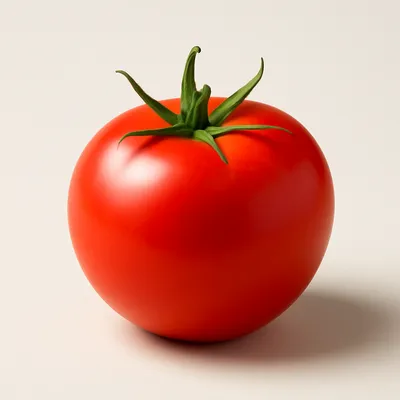
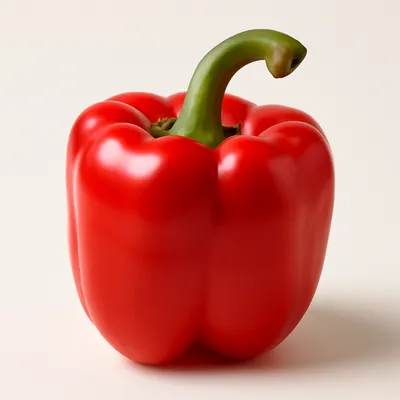
Meat sauce: brown 500g ground beef in 2 tbsp oil. Add 1 chopped onion, 1 diced bell pepper, 3 minced garlic, 1 chopped tomato. Cook 8 min.
Watch outLet the beef brown and stick a little before stirring — that fond is the base flavor, not just gray cooked meat.
- 222 min
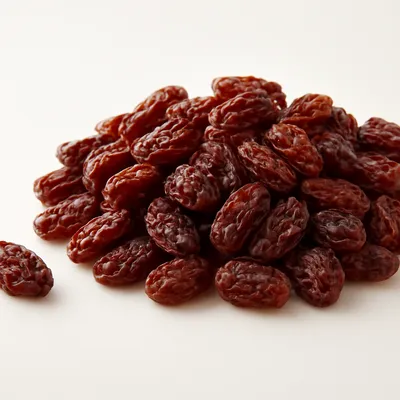
Add 1 cup tomato sauce, 1 tbsp Worcestershire, 1/4 cup raisins, 1 tsp cumin, salt, pepper. Simmer 20 min.
- 312 min
Béchamel: melt 50g butter; whisk in 50g flour to form a roux. Slowly add 750ml warm milk while whisking. Cook 8 min until thick. Season with nutmeg and salt.
Watch outThe roux should smell nutty and turn pale gold before the milk goes in; raw flour tastes pasty.
- 411 min
Cook 12 lasagna sheets in salted boiling water 8 min until al dente. Drain.
- 512 min
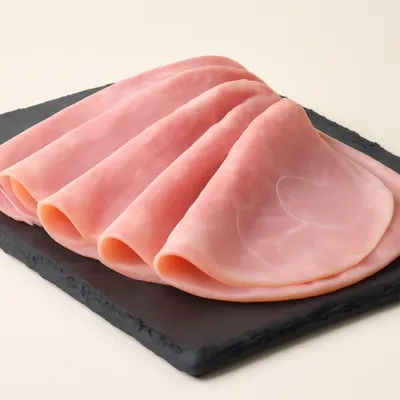
Assemble in a 23×30cm baking dish: thin layer béchamel; pasta sheets; meat sauce; ham slices; béchamel; pasta; repeat until you have 4 layers. Top with mozzarella and parmesan.
- 635 min
Bake at 180°C for 35 minutes until top is golden and bubbling.
Watch outPull it when the top is deep golden and the edges bubble; a pale top means the crust hasn't set.
- 717 min
Rest 15 minutes before slicing.
Archive tool suggestions — not reviewed
These legacy suggestions have not been evidence-reviewed and are not presented as required tools.


