
Somalia's Eid centerpiece — whole baby goat marinated overnight with xawaash spice, garlic, lemon, and ghee, then slow-roasted whole over hardwood coals (or in a tandoor) until the skin is crackly-mahogany and the flesh falls off the bone. Served on a platter with bariis rice, fresh banana, sambusas, and a knife for communal portioning.




Hilib ari (Somali for 'goat meat') is the traditional Somali pastoral celebration meat — for Eid al-Fitr, Eid al-Adha, weddings, and major family gatherings. Goat is preferred over sheep for its lean, gamey, slightly-sweet flavor that holds up to long roasting. The whole-animal preparation is a communal event: usually the men gather to slaughter and prepare the goat in the morning, the marinade is applied, then the goat roasts for 4-6 hours while the women prepare bariis, sambusas, and sides. The communal-platter serving and right-hand eating ritual is fundamental Somali hospitality.
Tear off a piece of hilib ari shoulder from the communal platter — deep-mahogany crackly skin, fall-apart-tender flesh, marinade and rendered fat glistening. First bite: goat's clean gamey flavor (cleaner and sweeter than beef or lamb), xawaash perfume penetrated deep (8-hour marinade did its work), the long-roast has converted all collagen to silky gelatin, the crackly skin adds bitter-smoky depth. With bariis rice, a slice of fresh banana, and a sip of cardamom tea, this is the Somali Eid table — five hours of preparation reduced to one perfect mouthful.
Whole-animal roasting works because the bones radiate heat inward, helping the inside cook while the outside browns. Slow-roasting at 110-130°C (low fire) for 4-5 hours converts the goat's tough collagen to gelatin without drying the meat — this is impossible with fast high-heat. The 8-12 hour marinade penetrates much further than a quick marinade — lemon's acid breaks down surface proteins; salt diffuses inward; xawaash oils carry deep flavor. Spit-rotation ensures even cooking; basting maintains moisture and builds flavor crust.
Variations
Lamb hilib ari uses whole baby lamb — sweeter, more fatty. Camel hilib ari (rare, ceremonial) uses young camel. Half-goat preparation (modern) is more practical for smaller gatherings. Spit-roasted hilib ari uses a mechanical rotisserie for restaurant volume. Underground-pit hilib ari uses traditional earth-oven (cawl) for the most-traditional version. Modern Mogadishu restaurant version serves portioned hilib ari with rice and salad.
On the Palate
Where Hilib Ari sits in the Somali flavor cloud
Ingredients
Serves 12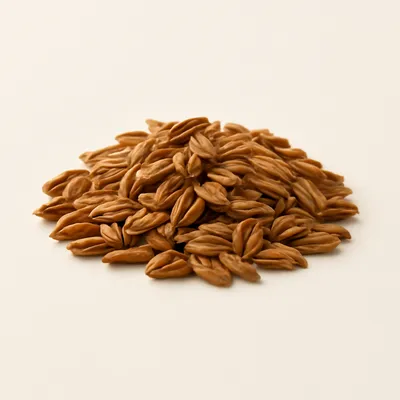






How it's made
11 steps · 1 hour 30 min active + 10 hours 30 min waiting
- 110 min
Acquire a 5-6 kg baby goat (about 4-5 months), butchered whole. Rinse thoroughly inside and out.
- 28 min
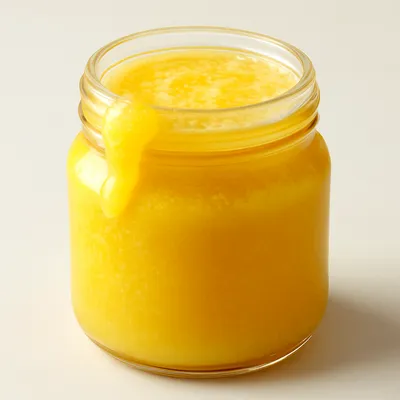
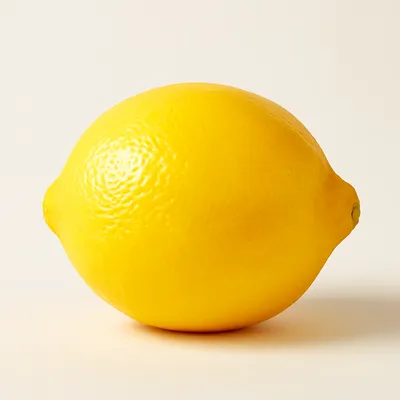
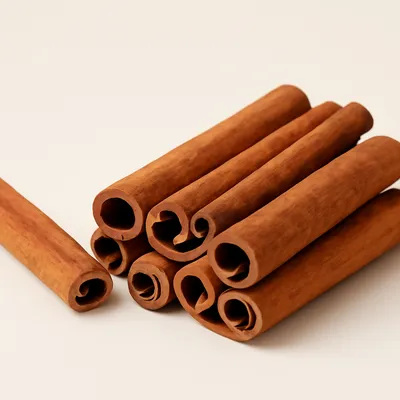
Make the marinade: in a large bowl, combine 1 cup ghee (melted) + zest and juice of 4 lemons + 12 minced garlic cloves + 4 tbsp grated ginger + 4 tbsp xawaash spice mix + 2 tbsp salt + 1 tbsp ground black pepper + 1 tbsp paprika + 1 tsp turmeric + ¼ cup chopped cilantro + 2 tbsp tomato paste.
- 38 min
Rub the marinade all over the goat, inside the cavity, and into score-cuts made through the skin into the flesh.
Watch outWork the marinade deep into the score-cuts and the cavity, not just the surface — the eight-to-twelve-hour rest only pays off where the acid and spice can actually reach the flesh.
- 4540 min
Cover and refrigerate 8-12 hours.
- 530 min
Set up an outdoor charcoal-fire pit, lined with banana leaves or stones. Build a hardwood charcoal fire and let it burn down to glowing coals.
- 64 min
Spit the goat through the spine. Position the goat above the coals 30 cm.
- 7270 min
Slow-roast 4-5 hours, rotating the spit every 30 min and basting with the leftover marinade. The goat should slowly turn deep-mahogany on all sides; the skin should become crackly.
Watch outKeep the fire low and turn the spit every half hour, basting as you go — the goat should color to a deep mahogany all around and the skin turn crackly; a fierce flame chars the outside before the inside gives.
- 82 min
Test for doneness: a thermometer in the thickest part of the thigh should read 75-80°C; the flesh should pull away easily from the bone.
Watch outIt's done when the thickest part of the thigh hits seventy-five to eighty degrees and the meat pulls off the bone with a light tug — that easy release is the real sign, not the clock.
- 932 min
Carefully remove the goat from the spit onto a large wooden cutting board. Rest 30 min, loosely tented with foil.
- 108 min
Carve into large pieces: shoulder, ribs, hindquarter chops. Pile on a large communal platter alongside steaming bariis iskukaris.
- 114 min
Serve with sliced ripe banana, kachumbari salad, sambusas, and Somali tea with cardamom. Eat with the right hand by tearing pieces; an elder distributes special portions to honored guests.


