
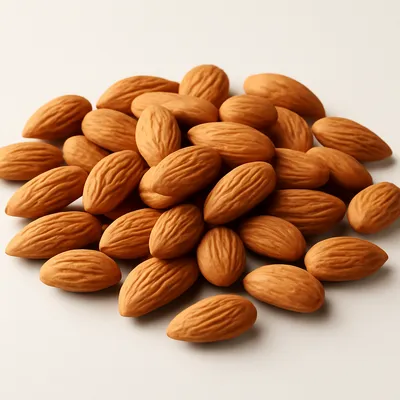
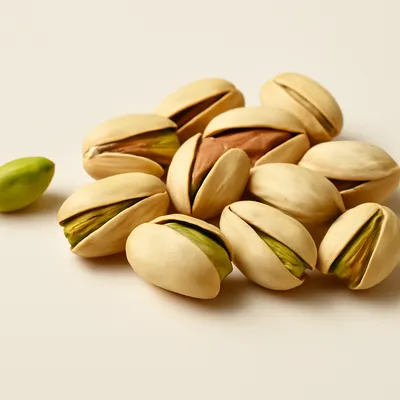
Oman's iconic sweet — corn starch or wheat starch slow-cooked with sugar, ghee, water, saffron, cardamom, rose water, and tiny pieces of frankincense, then poured into molds and cooled into a dense, sticky, jelly-like sweet. Topped with toasted almonds, pistachios, cashews. The universal Omani guest-welcome, the Eid celebration sweet, the wedding-feast gift.
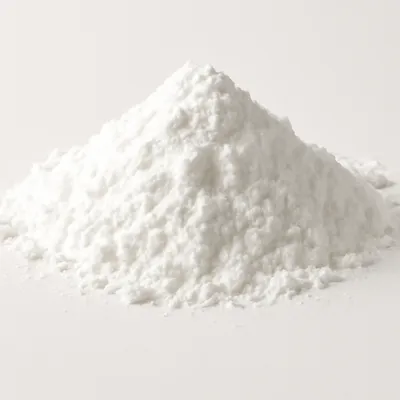

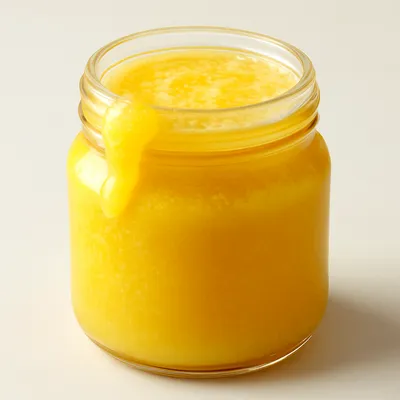
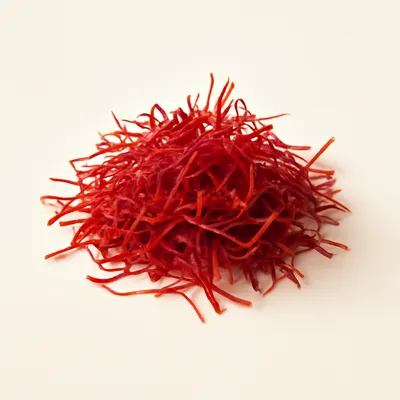
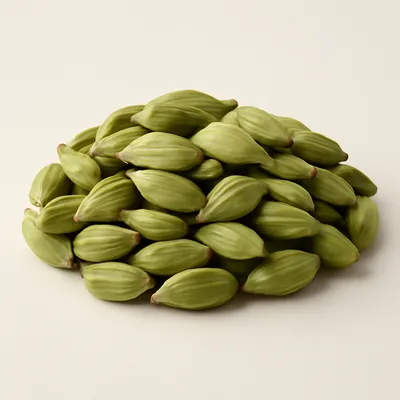

Halwa Omani is the most-iconic Omani sweet and the universal Omani hospitality offering. The technique came from Persian-Iranian halva traditions and took root in Oman through Indian Ocean trade — Muscat became the leading port of the Persian Gulf in the 18th century, when the Lawati merchant community and many Persians settled there (the Lawatis in the walled quarter of Sur al-Lawatiya in the early 1700s). Omanis adapted it uniquely with frankincense (a uniquely Omani ingredient) and a specific texture-development method. Halwa is the sweet served at every Omani wedding, Eid celebration, baby naming, and major guest welcome; a guest who refuses halwa is considered rude. The dish requires technique and patience: the starch-and-sugar mixture is constantly stirred for 2-3 hours until it develops the signature elastic-jelly texture. Cooks add ghee gradually to enrich the mixture; saffron and cardamom provide the iconic flavor. The Salalah (Dhofari) version is considered the finest, using the highest-grade Hojari frankincense — Dhofar has been the source of the world's finest frankincense since antiquity, its ancient port of Sumhuram a hub of the frankincense trade as far back as the 3rd century BC. Oman exports halwa globally; the dish has become Oman's gastronomic ambassador.
Cut a piece of halwa Omani — deep golden-amber, glossy, dotted with toasted nuts, sticky-elastic. Bite: the texture is unlike anything else — chewy yet melting, dense yet airy, sticky yet refined. The saffron's golden warmth blooms first, then the cardamom's perfume, then the rose water's floral note, then — most distinctively — the frankincense's piney-resinous depth (this is uniquely Omani; no other halva has it). The ghee's nutty richness binds everything. The toasted nuts add textural contrast. With Omani kahwa (also with frankincense) to balance the intense sweetness, this is the Omani guest welcome — a single small piece is enough to mark a meaningful exchange. The hospitality made edible.
Starch (corn or wheat) provides the structural backbone; without it, halwa would be sticky syrup. Constant stirring during the 2-3 hour cook prevents burning and develops the signature elastic texture. Adding ghee gradually (vs all at once) prevents separation. The frankincense pieces dissolve slowly, infusing the entire mass with their resinous aroma. Cooking until the mixture pulls away from the pot is the doneness indicator — this means the starch is fully gelatinized and the sugar fully caramelized.
Variations
Halwa Salalah (Dhofari version with most-frankincense). Halwa with extra saffron (golden version). Halwa with rose water only (no frankincense, milder). Mini halwa balls for gift boxes. Modern Muscat restaurant versions with truffle.
On the Palate
Where Halwa Omani sits in the Omani flavor cloud
This is a patience dish: stir the starch-sugar-ghee mass constantly for 2-3 hours over low heat until it turns glossy, elastic, and pulls cleanly away from the pot — that's the only way it sets to a chewy jelly instead of a sticky syrup.
Ingredients
Serves 16


How it's made
16 steps · 1 hour 30 min active + 2 hours 30 min waiting
- 116 min
Steep 1 tsp saffron threads in 4 tbsp warm water 15 min. Crush 6 cardamom pods.
- 28 min
In a heavy heavy-bottomed pot, dissolve 500 g sugar in 700 ml water. Bring to a boil; reduce to medium.
- 34 min
Mix 200 g cornstarch (or wheat starch) with 200 ml cold water to a smooth slurry.
- 46 min
Slowly add the starch slurry to the boiling sugar water, whisking constantly. Mixture will thicken rapidly.
- 532 min
Reduce to low heat. Cook 30 min, stirring constantly with a wooden spoon, until the mixture is thick, glossy, and a deep golden color.
Watch outAfter the first 30 minutes the mass should be thick, glossy, and deep golden before you start adding ghee.
- 665 min
Add 1 cup ghee gradually (50 ml at a time), waiting for each addition to be absorbed before adding more. Keep stirring.
- 775 min
Cook another 60-90 min, stirring constantly, until the mixture becomes very thick, elastic, and pulls away from the pot. This is the patience step.
Watch outIt's ready to flavor when it's very thick, elastic, and peels away from the pot as you stir.
- 86 min
Add the saffron water + the cardamom + 2 tbsp rose water + 3-5 small pieces of frankincense (luban) + 1/4 tsp ground cardamom + 1/4 tsp ground mahlab (optional).
- 924 min
Continue cooking 20-30 min until the mixture is intensely golden, glossy, and sticky.
- 104 min
Test: the mixture should hold a spoon upright and be stretchy-pliable. If too soft, cook longer.
Watch outTest doneness: a spoon should stand upright in it and the mass should stretch and feel pliable.
- 114 min
Pour into a buttered shallow tray (about 20 × 25 cm) or individual molds. Smooth the surface.
- 123 min
Sprinkle generously with toasted: 100 g sliced almonds + 50 g chopped pistachios + 30 g cashews.
- 132 min
Press the nuts into the surface; cool to room temperature.
- 14132 min
Cool 2-3 hours until firm but still pliable.
- 156 min
Cut into squares (4 × 4 cm) or scoop into balls. Halwa is sticky — use buttered hands or knives.
- 163 min
Serve at room temperature with: Omani kahwa with frankincense, dates, or fresh fruit. Each bite is small (4 cm sweet is plenty). Stores at room temperature 1-2 weeks; lasts longer refrigerated.


