


Omani
The frankincense coast — pit-roast shuwa, rosewater halwa.
Shuwa
Oman's signature wedding-and-Eid dish — a whole lamb (or large lamb shoulder) heavily marinated overnight with a paste of ground cumin, coriander, turmeric, cardamom, cloves, black pepper, red pepper, fresh ginger-garlic, vinegar, ghee, and salt; wrapped tightly in fresh palm or banana leaves; buried in an underground earth-oven (madhfun) lined with hot coals and stones; left to slow-cook 24-48 hours. The result is meltingly tender, smoke-perfumed lamb that has absorbed the rich spice marinade. Served on rice with the dripping cooking juices.
View page →Oman is the southeastern Arabian-Peninsula nation that historically dominated the Indian Ocean trade — Oman's maritime empire spanned the Swahili coast, Zanzibar, and Pakistani Baluchistan. The cuisine reflects three heritages: Bedouin pastoral tradition, Persian Gulf maritime tradition, and East African-Indian Ocean trade tradition (turmeric, coriander, dried lime, kaffir lime — all heavier here than in Najdi or Hejazi Saudi cooking). The signature is shuwa — whole lamb wrapped in palm leaves and slow-roasted for 24-48 hours in an underground pit (madhfun). Mashuai (whole spit-roasted lamb or grilled fish) is the wedding tradition. Majboos (Omani machboos) is the everyday rice. Halwa Omani (saffron-rose-cardamom-frankincense slow-cooked sticky sweet) is the iconic Omani sweet. The frankincense (Hojari, Dhofari) is uniquely Omani; few cuisines use frankincense in food.
On the Map
Where this cuisine is found
The Palate
Start Here
Whole lamb (or lamb shoulder) marinated overnight with a paste of cumin, coriander, turmeric, cardamom, cloves, garlic-ginger, vinegar, ghee. Wrapped tightly in palm leaves; buried in an underground earth-oven; cooked 24-48 hours. The most-tender, smoke-perfumed lamb in the Arabian world.
Why start here · Oman's signature Eid-al-Adha dish. The 1,400+ year Bedouin tradition. Start here for the most-distinctive Arabian cooking technique.
Corn starch slow-cooked with sugar, ghee, water, saffron, cardamom, rose water, and small pieces of Hojari frankincense (luban) for 2-3 hours into a dense sticky-elastic sweet. Topped with toasted almonds, pistachios, cashews.
Why start here · The iconic Omani sweet and the universal Omani hospitality offering. The only national sweet in the world that uses frankincense.
Lightly-roasted Arabica beans brewed with green cardamom and small pieces of Hojari frankincense (luban). Pale-yellow, fragrant, slightly-bitter. Served with halwa Omani and dates.
Why start here · Oman's distinctive coffee — the only national coffee with frankincense. The pairing with halwa Omani is the universal Omani guest welcome.
The Pantry


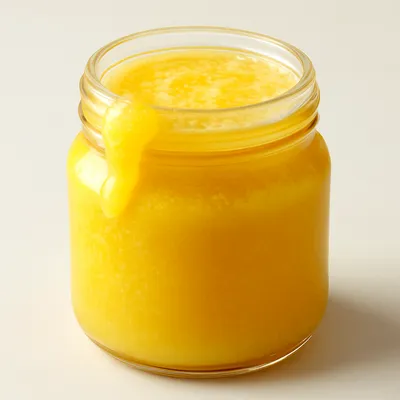
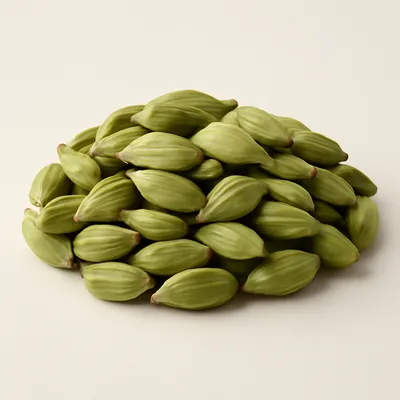
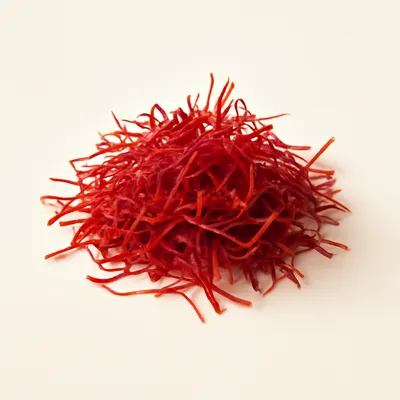
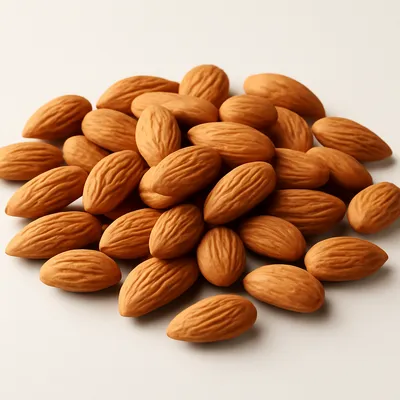
See all 45 ingredients›







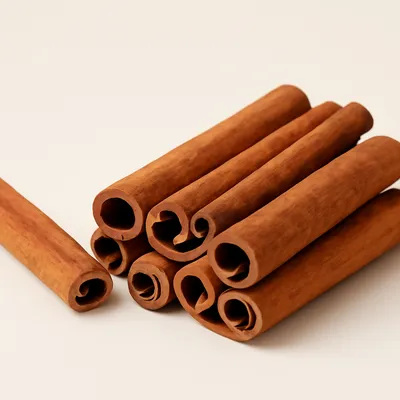
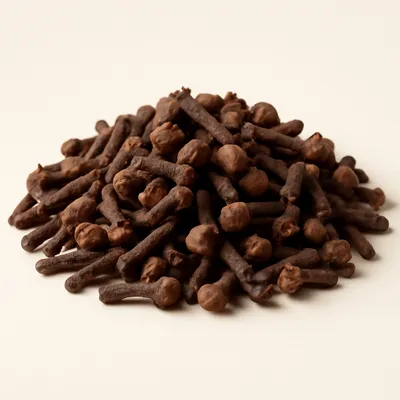
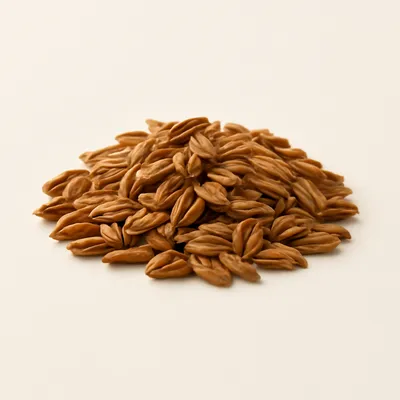

Grains & Staples
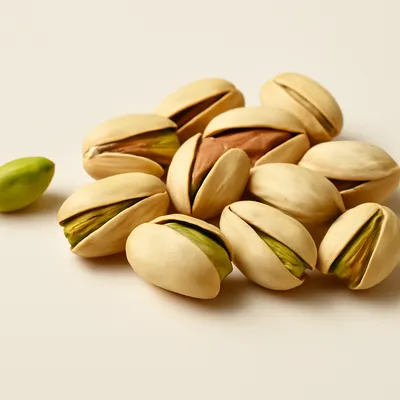

Sauces & Condiments


Other

Regional Styles
Muscat and Northern Coast
The capital on the Sea of Oman. The traditional coastal fishing, mashuai grilled fish, and the most-developed restaurant culture.
Dhofar (Southern Coast)
The frankincense-producing southern region. The most-traditional halwa and the Hojari frankincense heart.
Interior and Nizwa
The Bedouin interior and the historic Nizwa oasis. The shuwa tradition, dates, and traditional Omani cuisine.
How They Cook
Techniques that define this cuisine


