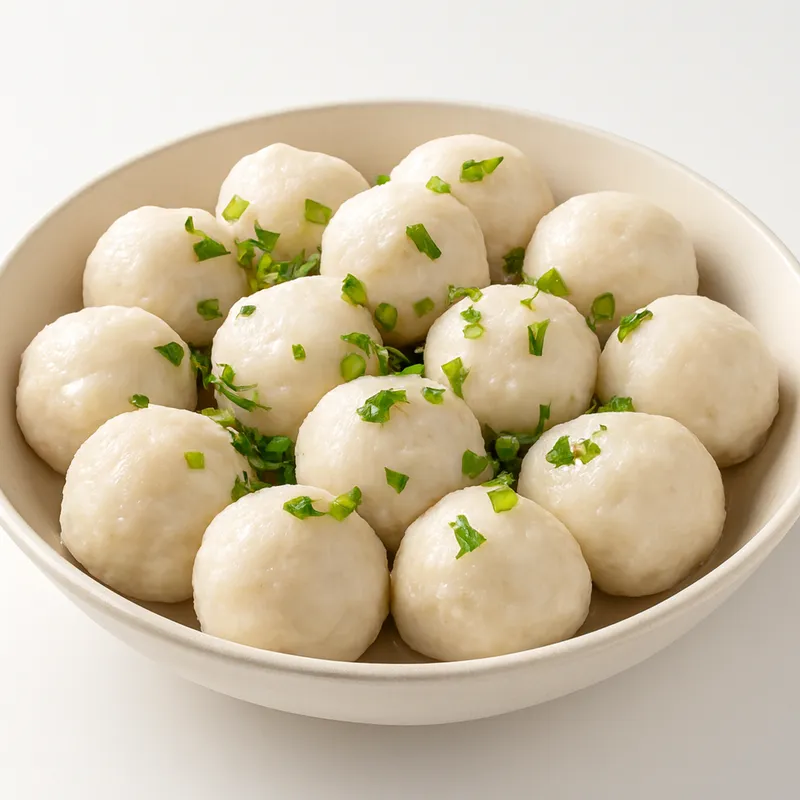
A banquet showpiece built on rock carp, a prized deep-water river fish from the upper Yangtze, and on Sichuan's signature dry-braising. The whole fish is fried to firm the skin, then slow-simmered with diced pork, pickled chili, doubanjiang and a little sweet rice wine until the sauce is cooked almost dry and reduces to a glossy natural glaze that clings to the fish without any starch thickener. The result sits between steamed and mala — savory, faintly sweet-sour, barely spicy — its flesh firm and fine, its skin amber and shining. Because wild rock carp is now protected, farmed fish or river catfish stands in.
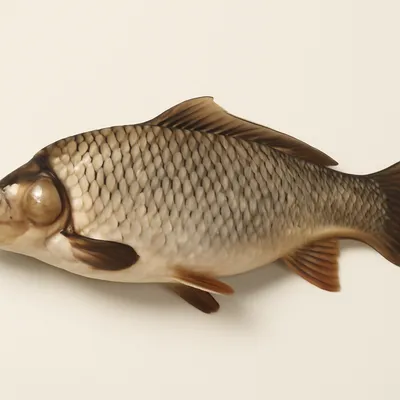


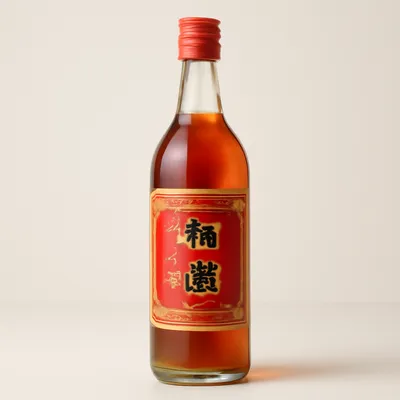

Rock carp — formally yan yuan li, also called black carp — lives in the rocky deep-water reaches of the upper Yangtze and its tributaries the Jialing and Jinsha. Lean, fine-fleshed and slow to reach the table, it was historically among the most prized river fish of Sichuan and Chongqing, and dry-braising it is a classic of Sichuan banquet cooking. The dish's whole point is the dry-braise technique (gan shao): a self-forming glaze and a sauce reduced down on its own, with no starch slurry, which Sichuan cooks regard as their own invention. Wild rock carp populations have since collapsed and the fish is now a national second-class protected species, so the dish has migrated onto farmed rock carp or river catfish (jiang tuan); the name and method survive intact even as the fish on the plate has changed.
The whole fish comes to the table lacquered in a thin, glossy red-amber sauce that beads but never pools — dry-braising leaves no soup. The flesh is firm and fine-grained, parting in clean flakes rather than falling apart, with the clean sweetness of good river fish. The flavor is layered and gentle: savory and faintly sweet-sour from the doubanjiang and rice wine first, then only a low warmth of pickled chili, with tiny nuggets of pork and pickle caught in the glaze. It is emphatically not a numbing, fiery dish; the restraint is the point.
Dry-braising is the whole craft, and it has no shortcut. The scored whole fish is first shallow-fried so the skin firms and sets — this keeps it from breaking up over the long cook and gives the glaze something to cling to. Diced pork, doubanjiang and pickled chili are fried in oil until the fat renders and the paste blooms red, then the fish goes back in with stock and a splash of sweet fermented rice wine (lao zao) and is simmered low and slow. The trick is that no starch is added: as the liquid cooks away the gelatin from the fish and the fat and sugars in the sauce concentrate and emulsify into a glossy coating that forms by itself — the self-coming glaze. The order and proportion of the seasonings, and basting the fish with its own reducing sauce, are everything; push the heat and the sauce scorches before it reduces, hold it too low and it never glazes.
Variations
The orthodox banquet version keeps it almost mild — savory and faintly sweet-sour, barely spicy — to let the prized fish speak; home and restaurant versions often push the doubanjiang and pickled chili harder for a redder, spicier plate. Diced pork is standard, and many cooks add a little diced winter bamboo shoot or pickled mustard for crunch and tang in the glaze. With wild rock carp now protected, kitchens substitute farmed rock carp or, most commonly, river catfish (jiang tuan), whose soft skin and fine flesh take the dry-braise well; the same method is also used on yellow croaker and other firm fish.
On the Palate
Where Dry-Braised Rock Carp sits in the Chinese flavor cloud
Ingredients
Serves 4

How it's made
7 steps · 50 min active + 20 min waiting
- 110 min
Scale, gut and clean a whole rock carp or river catfish (about 750g) and score it two or three times on each side down to the bone.
- 28 min
Pat the fish thoroughly dry, then shallow-fry in hot oil until the skin is firm and lightly golden on both sides; lift out and set aside.
Watch outShallow-fry the whole fish until the skin firms and lightly golds on both sides — this sets the skin so it won't break up over the long braise and gives the glaze something to grip.
- 36 min
In the same wok, fry 80g diced pork until the fat renders, then add chopped doubanjiang and pickled chili and fry until the oil runs red and fragrant.
Watch outFry the doubanjiang and pickled chili until the oil runs red and fragrant — that red-oil bloom kills the raw paste edge; go in before it colors and the sauce tastes raw.
- 44 min
Add ginger, garlic, a splash of Shaoxing wine and a spoonful of sweet fermented rice wine, then pour in stock to barely cover the fish.
- 512 min
Slide the fish back in, bring to a gentle simmer, and braise low and slow, spooning the sauce over the fish, until the liquid has reduced almost away.
- 66 min
Continue basting as the sauce concentrates into a glossy natural glaze that clings to the fish with no starch added; correct the salt and a touch of sugar.
Watch outKeep basting as the liquid cooks away until it reduces to a glossy natural glaze that clings — no starch is added, so the body comes entirely from patient reduction.
- 72 min
Transfer the whole fish to a platter, pour the glaze and pork bits over it, scatter chopped scallion, and serve.